


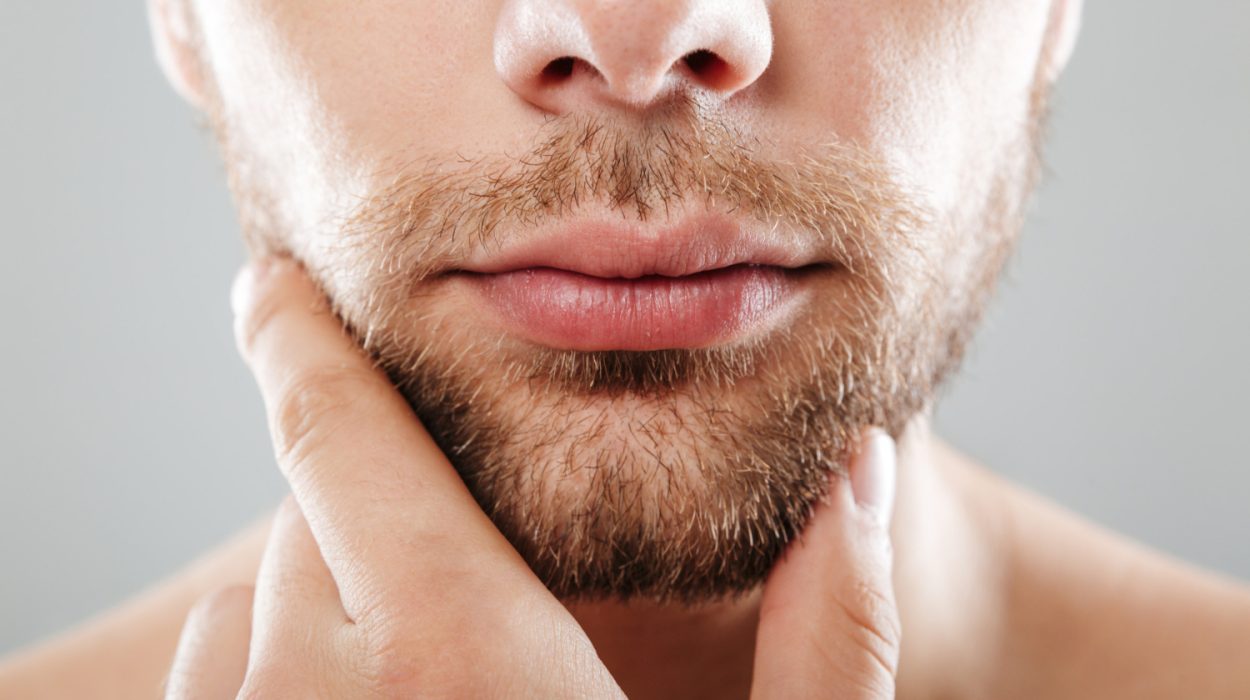
Microneedling is a minimally invasive treatment that stimulates the body’s natural healing process to give a smoother, firmer skin. This makes microneedling a popular treatment option for addressing acne scars, wrinkles, fine lines and pigmentation.
Did you know microneedling is one of the most searched aesthetic procedures today, thanks to its versatility, minimal downtime, and natural-looking results?
This treatment is most suitable for people with uneven texture, fine lines, scars, or enlarged pores seeking professional results without surgery.
What is Microneedling?
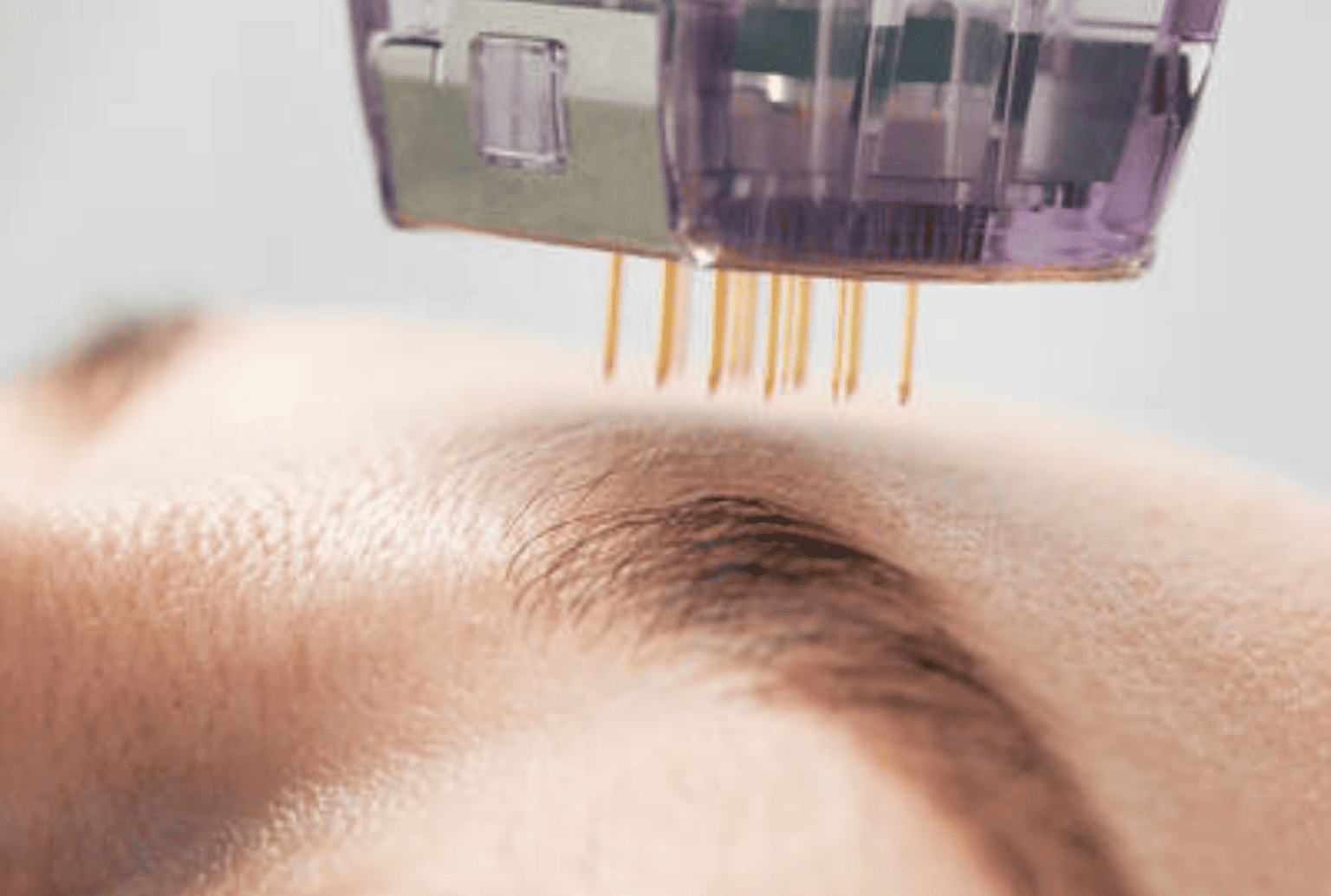
Microneedling is a cosmetic procedure that uses fine needles to create tiny punctures in the skin.
These micro-channels trigger the skin’s repair response, encouraging the production of new collagen and elastin for improved tone and firmness. The process enhances skin health without heat or chemicals, making it safe for all tones.
For this reason, microneedling is also known as collagen induction therapy.
How does Microneedling work?
Microneedling works in the following ways:
- It creates controlled micro-injuries in the skin that penetrate the epidermis to reach the dermis.
- This triggers the body’s natural repair mechanism, which includes the production of collagen and elastin (key skin proteins) that repair damage and restore elasticity over weeks.
- The renewal process evens texture, fades imperfections, and promotes long-term skin vitality.
Types of Microneedling Treatments
Dermapen Microneedling is an advanced, Automated pen delivers precise vertical punctures adjustable from 0.25-2.5mm for customised depth.
Combines needles with radiofrequency heat for deeper tightening and collagen boost.
Infuses platelet-rich plasma for accelerated healing and enhanced glow.
Rollers are manual and less precise; medical devices like Dermapen offer sterile, controlled results.
Treatment Areas for Microneedling
Microneedling can be used on several parts of the body to promote overall rejuvenation. This includes:
Facial microneedling is used to treat fine lines and wrinkles, acne scars, large pores, and skin discolouration. This technique is performed under local anaesthesia and is effective around the eyes, with improvement in skin texture and a 200-fold increase in the absorption of skincare products after treatment.
With age, the skin in the neck and décolletage region tends to form wrinkles, droop, and develop an uneven tone. Microneedling in this region helps increase skin elasticity and smooth texture, giving a glowing, youthful look.
Hands usually display many signs of ageing, including thinning skin, wrinkles, and age spots. Microneedling addresses ageing concerns on the hands by stimulating collagen production and enhancing hydration, giving your hands a fuller, more youthful appearance.
Benefits of Microneedling Treatment
There are several reasons why microneedling is a favourite with doctors and their aesthetic patients. Most sought-after benefits of microneedling include:
- Improves and refines skin texture and tone
- Reduces acne scars
- Reduces fine lines and wrinkles
- Expertise and experience of the doctor
- Shrinks pores
- Reduces pigmentation (from acne, sun damage, etc) and evens out skin tone
Patients often see tighter, brighter skin with fewer side effects than lasers or peels.
Microneedling for Specific Skin Concerns
Microneedling is a versatile treatment that addresses several skin concerns. Here’s how it helps specific skin concerns.
Microneedling breaks down scar tissue and rebuilds a smoother surface. To address acne scars, most people require 3-6 sessions, spaced 4 weeks apart. Deeper atrophic scars respond well to combined approaches with other treatments, such as PRP.
Microneedling stimulates collagen and elastin production, which in turn boosts firmness against sagging and fine lines by replenishing collagen lost to ageing. This procedure also tightens and firms up the skin.
Microneedling is highly effective at fading pigmentation, including sunspots, by promoting cell turnover.
Microneedling refines texture and minimises pores, giving the skin a polished look.
What to Expect During a Microneedling Session?
The microneedling session at Hortman Clinics begins with a personalised consultation with our dermatologists.
- Skin preparation: To begin the session, the doctor will apply a numbing cream to minimise any discomfort during the procedure. To prepare the skin for microneedling, the doctor will cleanse the skin.
- Treatment process: The doctor sets up the microneedling tool and works on smaller areas in the target region. Once the treatment is complete, they may apply a hydrating serum to calm the irritated skin.
- Duration of treatment: Microneedling treatment session lasts about 30 to 60 minutes.
How Many Microneedling Sessions Are Needed?
Most people require 3 to 6 microneedling sessions, around 4 to 6 weeks apart, for noticeable, long-lasting results. However, the exact number depends on the concern being treated and its severity.
At Hortman Clinics, a dermatologist or aesthetic practitioner will assess your skin, create a customised plan, and may recommend yearly maintenance sessions to maintain improvements over time.
Microneedling Recovery & Downtime
Microneedling is popular for its minimal downtime. Inflammation peaks in the first 2-3 days, when the skin is highly sensitive. Avoid strenuous activities during the first few days after the treatment to reduce the risk of adverse reactions.
Microneedling Aftercare Tips
Here are a few things to avoid after a microneedling session:
- Avoid the sun or use SPF 50+
- Makeup
- Strenuous activities for 24-48 hours
- Use a gentle moisturiser
- Hydrate and protect for the best healing.
Is Microneedling Safe?
Microneedling is a safe procedure when performed by experienced professionals using sterile tools. However, some people may experience minor, temporary side effects, such as irritation.
Who Should Avoid Microneedling?
Although microneedling is safe, it is not recommended for the following individuals:
- People with bleeding issues like haemophilia, blood clotting issues or patients on anticoagulants or blood thinners
- Pregnant or nursing mothers
- Active skin infections
- Systemic infections
- Allergies
- Patients who are immunocompromised
Microneedling Cost & Price
The cost of microneedling begins at AED 1200 per session. The price may increase due to other factors, such as other treatments.
Microneedling vs Other Skin Treatments
Microneedling differs from other popular skin rejuvenation treatments, such as lasers and chemical peels.
Compared to lasers, microneedling is gentler and therefore requires less downtime. It is also safer for dark skin tones and effective for deep pigmentation.
Microneedling stimulates collagen production in deeper skin layers, whereas chemical peels promote surface exfoliation. Microneedling combined with chemical peels is excellent for addressing pigmentation.
Microneedling is minimally invasive and promotes deeper renewal of skin tissues, whereas a hydrafacial is meant for surface hydration and does not affect scars or pigmentation.
How is Microneedling different from Collagen Induction Therapy (CIT)
Collagen Induction therapy (CIT) is the same as microneedling. Both terms refer to the same procedure. Microneedling is a collagen-inducing procedure in which micro-injuries are created to stimulate the skin’s collagen production.
Does Microneedling really boost collagen production?
During a microneedling procedure, fine needles create tiny micro-injuries in the skin. This immediately triggers an inflammatory response and the release of growth factors, leading to the recruitment of fibroblasts to repair the wounds.
Fibroblasts are cells that produce collagen fibres. At the injury site, these fibroblasts produce collagen fibres that integrate with the existing ones. This entire process typically peaks around 7 days post-treatment, thickening the skin and restoring volume.
The new collagen fibres produced during the repair process following a microneedling session strengthen the skin structure, reducing sagging and signs of ageing, including fine lines. In addition to collagen, the body’s repair mechanism also produces elastin, which improves the skin’s flexibility. Results of microneedling build over several weeks as the collagen production continues.
Can Microneedling help with hair growth?
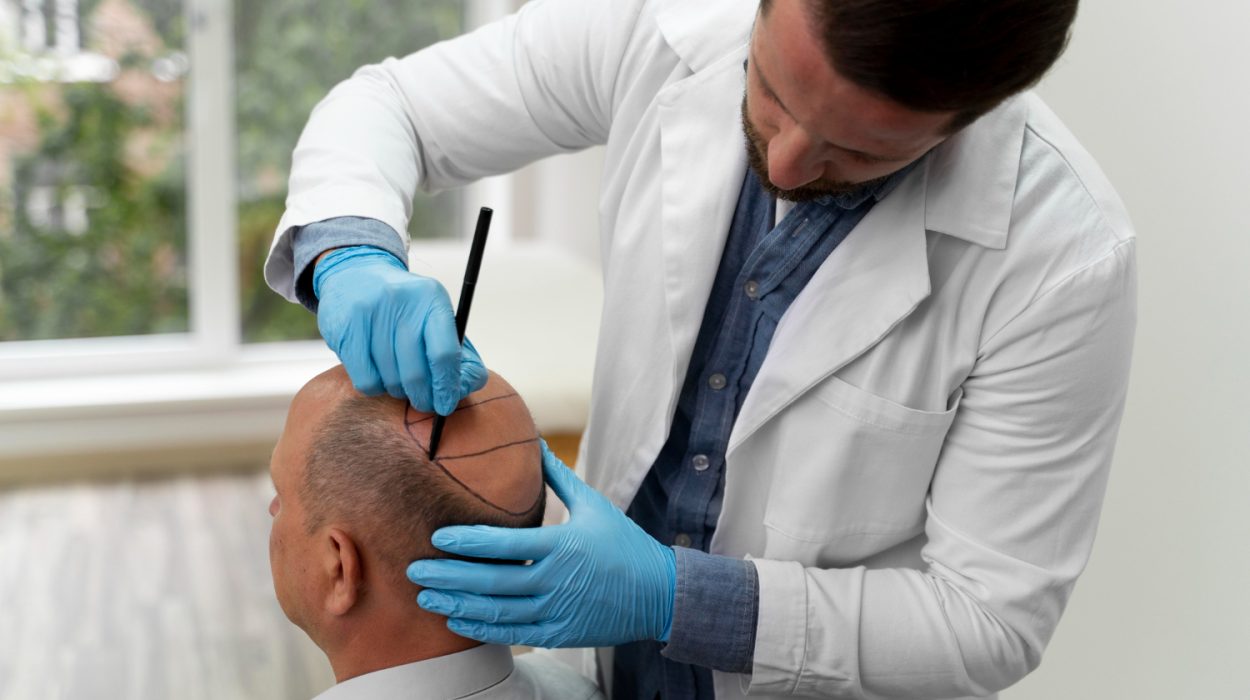
Microneedling has been shown to be effective in promoting hair growth, especially in cases of androgenetic alopecia (male pattern baldness). This procedure works best for hair restoration when combined with other treatments, such as minoxidil.
How does microneedling work with hair growth ?
Microneedling creates micro-injuries on the scalp, which triggers the body’s wound-healing response. As a result, growth factors like VEGF are released at the target site, and stem cells in the hair follicles also get activated.
This stimulates collagen and elastin production in the scalp and also in the hair follicles. The wound-healing mechanism also increases blood flow and nutrient delivery to hair follicles, thereby improving hair growth.
Is Microneeding beneficial for your hair?
Microneedling offers several benefits for your hair, such as:
- It improves hair growth: Microneedling stimulates dormant hair follicles, prolongs the anagen (growth) phase, and increases hair density and thickness.
- It enhances scalp health: When microneedling creates micro-injuries in the scalp, it boosts circulation, reduces inflammation, and strengthens tissue via collagen production.
- Can be combined with other treatments: Microneedling is versatile and can be combined with treatments such as PRP or minoxidil for better results.
Can I opt for Microneedling for the under-eye area?
Microneedling helps stimulate collagen production in the area, leading to plumper, firmer skin. It is an excellent way to address cosmetic concerns like dark circles or translucent skin under the eyes.
How does Microneedling work for the under-eye area?
Just as in other parts of the body, microneedling in the under-eye region triggers the body’s healing mechanism to produce more collagen and elastin. This tightens and plumps up the delicate skin in the under-eye area, reducing fine lines, dark circles and translucent appearance.
Who is an ideal candidate for microneedling in the under-eye area?
Microneedling under the eyes is recommended for people who are healthy and have one or more of the following skin concerns:
- Early signs of ageing, like fine lines
- Crepey skin
- Hollow around the eyes
- Deep pigmentation or puffiness in the under-eye area
Microneedling under the eyes is not recommended if:
- You take isoretinoin
- Have a significant loss of volume in the under-eye area or severe skin sagging
- You are undergoing active cancer treatment
Benefits of microneedling in the under-eye area
There are several benefits of microneedling that make it a treatment of choice in the under-eye area. Microneedling helps:
- Reduce fine lines and wrinkles: By stimulating collagen and elastin production, microneedling softens the fine lines and wrinkles, giving your eyes and face a youthful appearance.
- Reduce dark circles: Microneedling may help diminish dark circles caused by poor circulation or thin skin. However, the results may vary depending on the root cause of your dark circles.
- Improve skin texture and tone: By stimulating the body’s healing mechanisms, microneedling boosts cell turnover and collagen production, making the skin smoother and more even-toned.
- Enhance product absorption: The microchannels formed during microneedling treatment enable better penetration and absorption of skincare products.
Why Choose a Professional Microneedling Clinic?
When undergoing specialised, advanced treatments like microneedling, it is essential to choose the right clinic. Here’s what to look for at a professional microneedling clinic in Dubai:
- Availability of expert specialists and advanced technology
- Personalised consultation with tailored treatment plans and monitoring
- Superior hygiene and safety standards, in line with international standards
- Systemic infections
- Allergies
- Patients who are immunocompromised
Key Takeaways
Microneedling offers lasting improvements in skin texture, scars, and youthfulness via collagen induction. By addressing a wide range of skin concerns, it promotes natural rejuvenation and gives you brighter, smoother, firmer skin.
For a in-depth assessment and tailored treatment plan, schedule a microneedling consultation at Hortman Clinics today!
Frequently Asked Questions (FAQ)
Before the microneedling procedure begins, the dermatologist applies a numbing agent to minimise any discomfort. Most people experience only a slight prickling or tingling, which is tolerable.
The results of microneedling may last from 6 months to 2 years. The longevity of results depending on the skin type, the concern, and the number of maintenance sessions.
Yes, microneedling is safe for sensitive skin.
Yes, you can, but you must wait 24 - 48 hrs to allow your skin to recover and avoid irritation.
HORTMAN CLINICS NEWS
Related News

We are here for you. Always.
Everything we do is tailored to your needs, this is why we take our time to take care of you and answer all your questions.
HORTMAN CLINICS NEWS
Related News
We are here for you. Always.
Everything we do is tailored to your needs, this is why we take our time to take care of you and answer all your questions.