

PRP Injection Recovery What You Wanted to Know But Didn’t Dare Ask
A natural but efficient method of regaining your youthful appearance is through PRP face injections. Your doctor during PRP treatment in Dubai uses chemicals found in your blood to heal and revitalize your skin. You won’t be exposed to any compounds that are unfamiliar to your body during the therapy.
Your Hortman Clinics professional may have talked to you about PRP treatment, but you still have unanswered questions. Find out the procedure’s details and what to anticipate from your recuperation.
What Is A PRP Facial And How Does It Work?
The liquid component of blood, known as plasma, is responsible for distributing oxygen, nutrients, blood cells, and numerous other components throughout the body.
Blood cells called platelets are essential to the healing process. They not only aid in sealing skin fissures but also release chemicals that activate the cells in charge of tissue restoration.
Your skin expert will extract the platelet-rich component of your blood from a tiny sample to create PRP, which is then used in popular aesthetic procedures like the vampire facelift in Dubai. When PRP is injected into your skin, the platelets are activated, starting a series of actions that remove damaged tissue, promote the creation of new skin cells, and increase the synthesis of collagen.
PRP injections in Dubai also promote the production of hyaluronic acid, which attracts water and plumps up parts of the skin that are thinning or depressed. Hyaluronic acid, when combined with collagen, helps to heal atrophic acne scars, fine lines, and other comparable lesions.
You will notice that your skin seems more luminous and supple after your treatment.
There are several uses for PRP treatment in medicine.
- It can be used to treat osteoarthritis, plantar fasciitis, rotator cuff tears, tennis elbow, and other musculoskeletal conditions that cause persistent discomfort.
- Doctors utilize it in reproductive health to address some of the reasons for infertility.
- PRP is used in various surgical specialties to promote postoperative healing and recovery.
- Pulmonologists treat some instances of COPD.
PRP injections find application in dermatology for the following purposes:
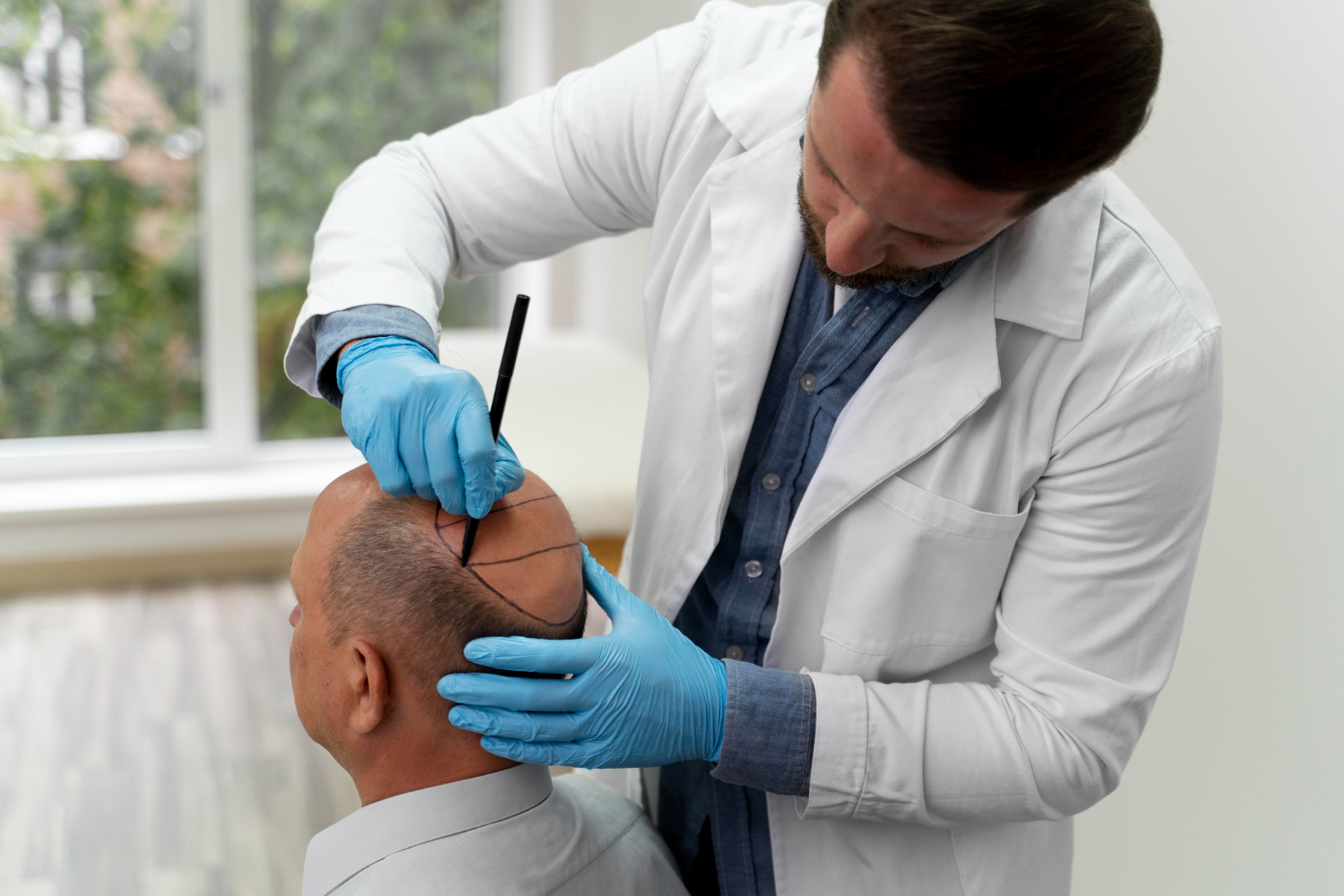
- The injections stimulate hair growth to address hair loss.
- Scar care
- Rejuvenating the skin
- Stretch mark improvement
In general, PRP face rejuvenation is both safe and successful. Entrusting your PRP injection treatment in Dubai to a highly qualified medical practitioner ensures the greatest outcomes.
What Can You Expect During Your PRP Facial Session?
Your dermatologist will do the following tasks when you visit for your PRP treatment appointment:
Blood Extraction
The best PRP treatment doctor in Dubai will draw a tiny amount of blood—roughly 10–60 milliliters, or 1–4 tablespoons—from your arm. The procedure is comparable to drawing blood for analysis.
PRP Preparation
To prevent clotting, your doctor will put the blood in a tube with an anticoagulant drop. The platelets will be separated from the red and white blood cells by centrifuging the fluid. It may take up to half an hour to prepare PRP.
Cleaning Of The Treatment Area
To ensure that there are no bacteria present that might make your PRP process more difficult, the dermatologist will carefully clean the area.
Topical Anesthetic Application
Even with the use of tiny needles, some people may find a PRP injection painful. Your doctor will administer some numbing lotion to the area before injecting the fluid if you have a low pain threshold.
Marking The Target Area
To guarantee the accuracy of the platelet rich plasma Dubai, the professional will mark the treatment spot.
PRP Injection
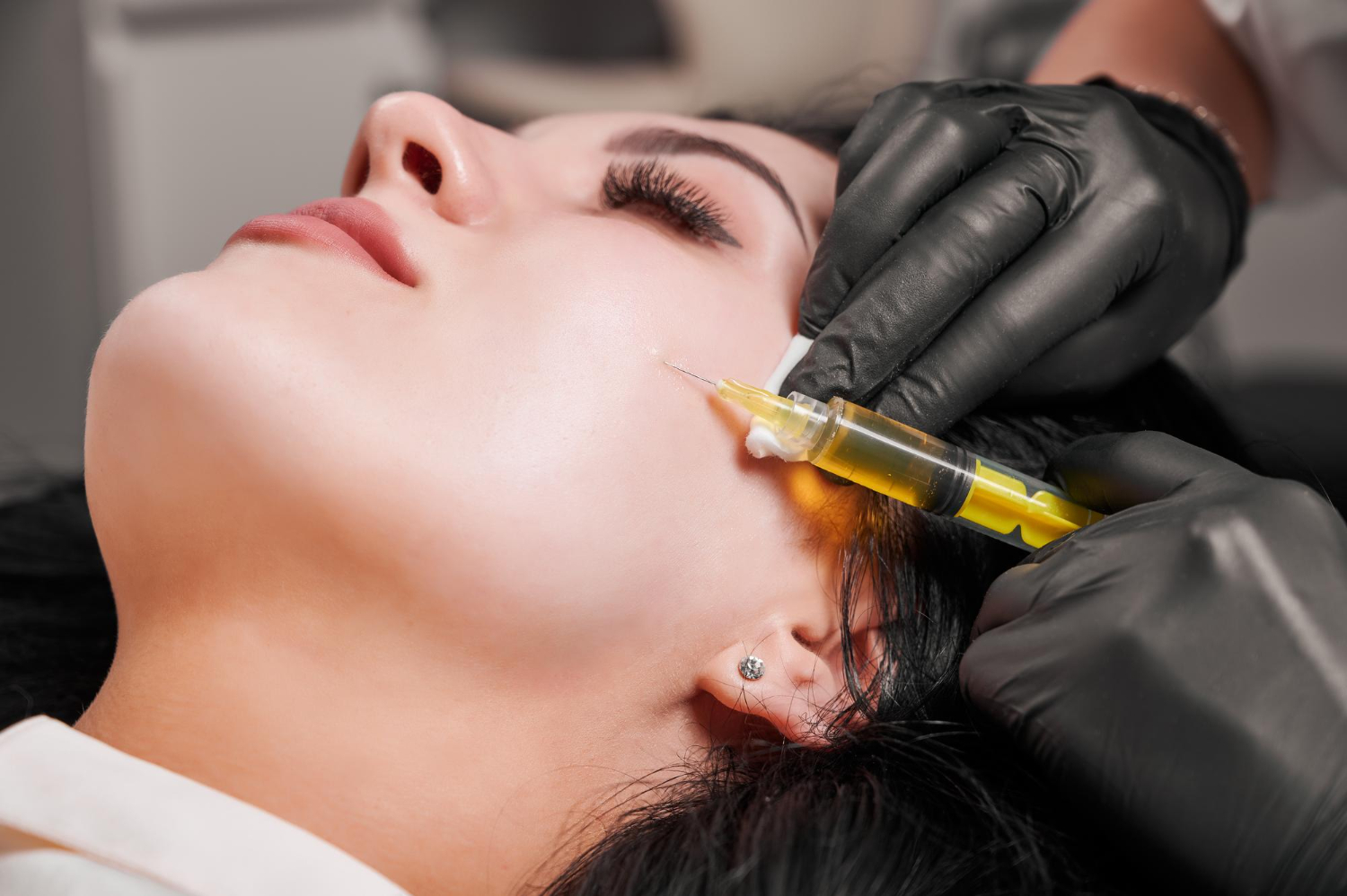
The dermatologist will use a very tiny needlepoint to inject PRP into the skin.
Depending on the severity of your skin issue, the entire treatment might take an hour or more.
What Can You Observe Right After Your Facial PRP Injection?
Following a PRP facial, anticipate the following:
- Injection site pain
- Swelling
- Redness
- Identify any bleeding
These indicate that the therapy is having an effect. They normally go away on their own; however, they could persist for a few days.
How Painful Is A PRP Facial?
The pain that comes with PRP injections is typically bearable. To make the platelet rich plasma facial near me completely painless, you could ask your doctor to administer some numbing lotion to the treatment location. You may experience localized discomfort for a few days after the painkillers wear off. Although it is often moderate, if it gets worse, you might need to take some Tylenol.
What Can You Expect During The Facial PRP Injection Recovery Phase?
The most crucial elements of the recuperation phase after a PRP facial are covered here.
What Are The Side Effects Of PRP Facial Treatment?
Injection site discomfort, swelling, redness, and pinpoint bleeding are the most frequent adverse effects of PRP treatment. Vulnerable patients may also experience some bruising.
Numbing cream allergies, infections, headaches, and skin discolorations are uncommon adverse effects. Since PRP is extracted from your blood, hypersensitivity is unlikely to occur on its own. Because PRP has antibacterial qualities, infection is also rare, especially with careful aftercare.
How Long Does It Take To Recover From A PRP Facial?
Following a PRP injection, there is very little downtime. Although the initial side effects are manageable, the risk of damage to the treated region is reduced by avoiding physically demanding activities for the first several days. Additionally, because tissues absorb PRP, you may prolong the fluid’s stay at the location by temporarily restricting your activities and avoiding applying intense pressure to your face.
How Do I Take Care Of My Face After A PRP Facial?
Your dermatologist could suggest the following as part of your aftercare routine:
- For the first six hours after plasma therapy Dubai, refrain from forcefully cleaning or wiping your face.
Avoid drugs that interfere with the healing process, platelet function, or both. Among them are the following:
- Blood thinners, steroids, certain antidepressants, some antibiotics, antihistamines, painkillers known as “NSAIDs,” and other drugs
- Alcohol
- Smoking
- Coffee
You must avoid temperature extremes within the first 24 to 48 hours following your PRP facial since they also interfere with inflammation and PRP activation. They may appear as follows:
- Direct exposure to heat or ice
- Exercise, hot showers, and sauna bathing are examples of skin-warming activities.
For a few days, aggressively protect your skin against irritation or illness. Among the possible causes are:
- Avoid picking, peeling, or scratching the treated area.
- Harsh skin care procedures
- Microbes and chemical irritants found in swimming pools
- Exercise and other activities that make you perspire
- Direct touch with unclean objects, such as masks, eyeglasses, phones, etc. Make sure to clean these products before using them because you can’t resist getting most of them on your face.
- After your PRP facial, wait at least 24 hours before wearing makeup, or until the inflammation has decreased.
- Follow your doctor’s instructions and use a mild cleanser, hyaluronic acid serum, and any other recommended postop therapies.
- Since Tylenol has no effect on inflammation or skin healing processes, you can use it to treat discomfort.
- Wear sunscreen or avoid the sun if you must go outside.
- To reduce pressure and facial bruising, sleep with your head up and on your back.
Following the aftercare routine recommended by the best PRP clinic in Dubai ensures optimum cosmetic outcomes.
How Many PRP Facials Do You Need To Get The Best Results?
The severity of your skin issue determines how many and how often you need to have repeat sessions. However, the first course of therapy often calls for three to four sessions spaced four to six weeks apart. For most patients, twice-yearly treatments are sufficient for maintenance.
How Quickly Does PRP Work?
Each patient experiences the results of PRP therapy at a different period, which is determined by their individual circumstances as well as the doctor’s level of experience. But by the second or third week, the majority will see some improvement in the texture of their skin. After three months, patients typically experience complete collagen regeneration, resulting in the most significant improvements. Up to 18 months may pass before the cosmetic benefits go off.
Most people recover from PRP injections rapidly and without any issues. Ongoing infections and conditions affecting the blood, immune system, and connective tissues, however, might make things more difficult. If you are undergoing treatment for a medical issue, don’t be afraid to inform your doctor.
What Can You Do To Enhance The Effectiveness Of Your PRP Facial?
There are several variables that affect the PRP facial’s efficacy; however, they may be divided into three groups.
Factors Affecting Your Physical Status
You need to have healthy blood, a strong immune system, and intact tissue healing processes to be eligible for a PRP facelift. Nevertheless, the following factors will enhance the benefits of this treatment:
Good Nutrition
Caffeine prevents platelet activation, while saturated fats and simple carbohydrates cause platelets to activate too soon.
Conversely, anthocyanin-rich foods, cereals, and vegetables reduce blood platelets. Black beans, red cabbage, berries, and other plant items with red, purple, blue, or black hues are among them.
If you routinely eat these items, you will need to modify your intake.
Adequate Hydration
Toxins are removed, and tissue healing is encouraged by adequate hydration.
Stress Management
Stress causes the blood to produce chemicals that have an impact on platelet function. It may also make frown lines more noticeable. Meditation, relaxation, and sleep all aid in stress reduction.
Good Blood Pressure Control
A few weeks before your first appointment, your blood pressure must be normal. Premature platelet activation and decreased platelet numbers are caused by high blood pressure.
Regular Exercise
Once the inflammation goes down, you can start working out again. Exercise strengthens the immune system and helps the body get rid of extra blood sugar and fat.
Adherence To The Prescribed PRP Face Treatment Aftercare Regimen
You can avoid difficulties by following our above tips. The cosmetic benefits of your PRP treatment can also be extended with proper maintenance.
Your PRP Face Treatment Doctor’s Skill
After a comprehensive examination, your skincare professional will determine whether a PRP facial is appropriate for you. If so, they could suggest a different course of action to guarantee both your safety and the efficacy of your therapy.
PRP preparation significantly impacts the cosmetic result, but your dermatologist’s skill level also plays a role. Our board-certified medical specialists at Hortman Clinics prepare PRP using only the finest tools and procedures.
Finally, dexterity requires years of expertise and intensive instruction. These make our doctors at Hortman Clinics some of the best in their profession.
The proficiency of your dermatologist is crucial to the outcome of your PRP therapy. Selecting the most qualified individuals to carry out this treatment is crucial. The aesthetic benefits of PRP facials can be further enhanced by combining them with microneedling, laser resurfacing, hyaluronic acid injection, and other skin procedures. If you need combination therapy, your dermatologist will let you know.
Conclusion
The PRP facial is a cosmetic technique that improves skin imperfections by using the natural components of blood. The side effects are usually light, and there is little downtime. Significant improvement might not happen right away, but the effects might endure up to 18 months. While it is not appropriate for everyone, it is typically safe and effective.
Good health habits and aftercare can yield the finest outcomes. Entrusting the process to a highly qualified skincare specialist also greatly influences the outcome of the therapy. The effects of PRP injection are increased when combined with other face rejuvenation treatments.
Even though you won’t live forever, a PRP facial can prolong your youthful appearance.
Celebrities are fond of PRP face injections. Without the use of synthetic chemicals, they help maintain a young appearance by reducing wrinkles. Get a PRP facial at Hortman Clinics, the reputable skincare specialists in Dubai, if you want to look gorgeous at any age. Schedule an appointment for your initial consultation via call or mail.
FAQs
How long does it take to recover after PRP injections?
PRP injection recovery is usually quick, with most people resuming normal activities within 24 to 48 hours. Mild swelling, redness, or tenderness at the injection site is common and typically subsides within a few days. Complete tissue healing and visible results may take several weeks as the platelets stimulate natural regeneration. Recovery time can vary based on the treated area and individual response.
Is swelling or pain normal after PRP treatment?
Yes, mild pain, swelling, or soreness after PRP injections is a normal part of the healing process. These symptoms occur as platelets trigger inflammation to promote tissue repair. Discomfort usually peaks within the first 24 hours and gradually improves over a few days. Applying cold compresses and following post-care instructions can help ease symptoms.
What should be avoided during PRP injection recovery?
During PRP recovery, patients should avoid strenuous exercise, alcohol consumption, smoking, and excessive sun exposure for at least 48 hours. Anti-inflammatory medications should also be avoided unless advised by a doctor, as they may interfere with platelet activity. Following post-treatment guidelines helps optimize healing and results.
When will I start seeing results after PRP injections?
PRP injection results are not immediate, as the treatment works by stimulating natural healing processes. Most patients begin noticing improvements within 3 to 4 weeks, with continued progress over several months. Depending on the condition under treatment, multiple sessions often yield optimal results.
Can PRP injection recovery differ based on treatment area?
Yes, PRP recovery can vary depending on whether it’s used for hair restoration, facial rejuvenation, or joint pain. Hair PRP may involve mild scalp tenderness, while joint PRP can cause temporary stiffness or swelling. Each area heals at a different pace, but overall recovery remains minimal and manageable.
What is the recovery time for PRP under eyes?
After PRP under eyes Dubai, recovery is often modest and fast. For 24 to 72 hours, the majority of individuals have minor pain, redness, or swelling. Usually, daily tasks can be picked up the same day or the following day. Over the next few weeks, complete recovery and noticeable progress eventually emerge.