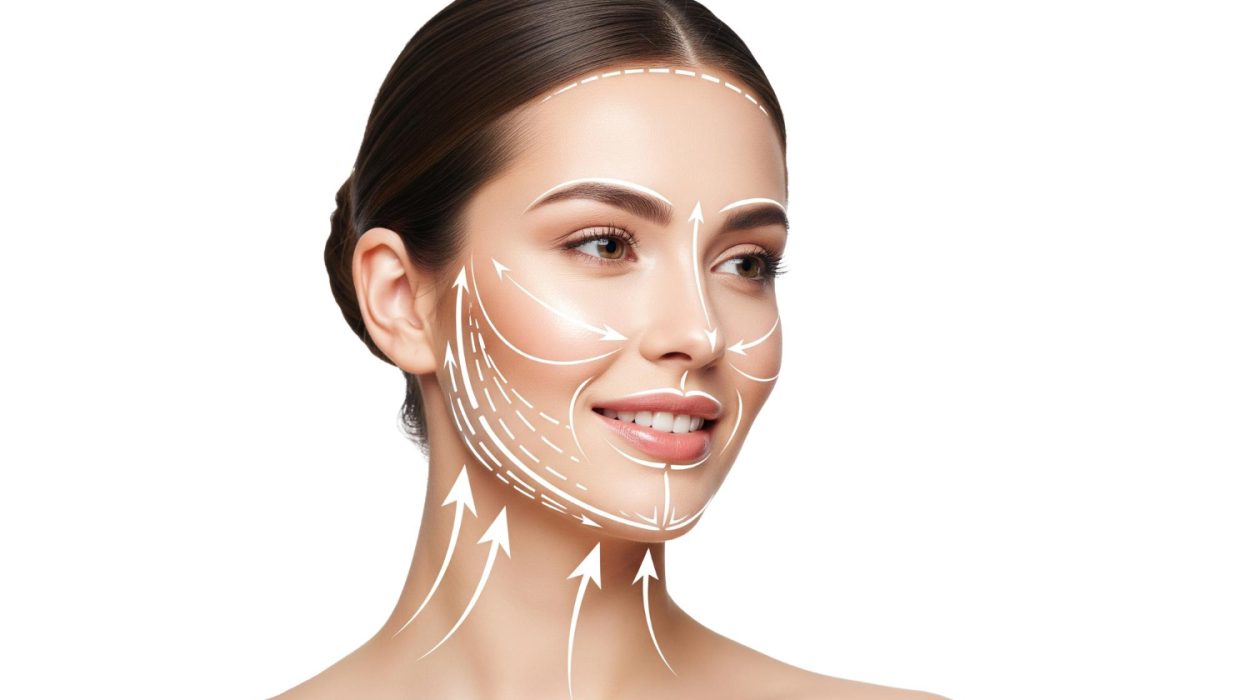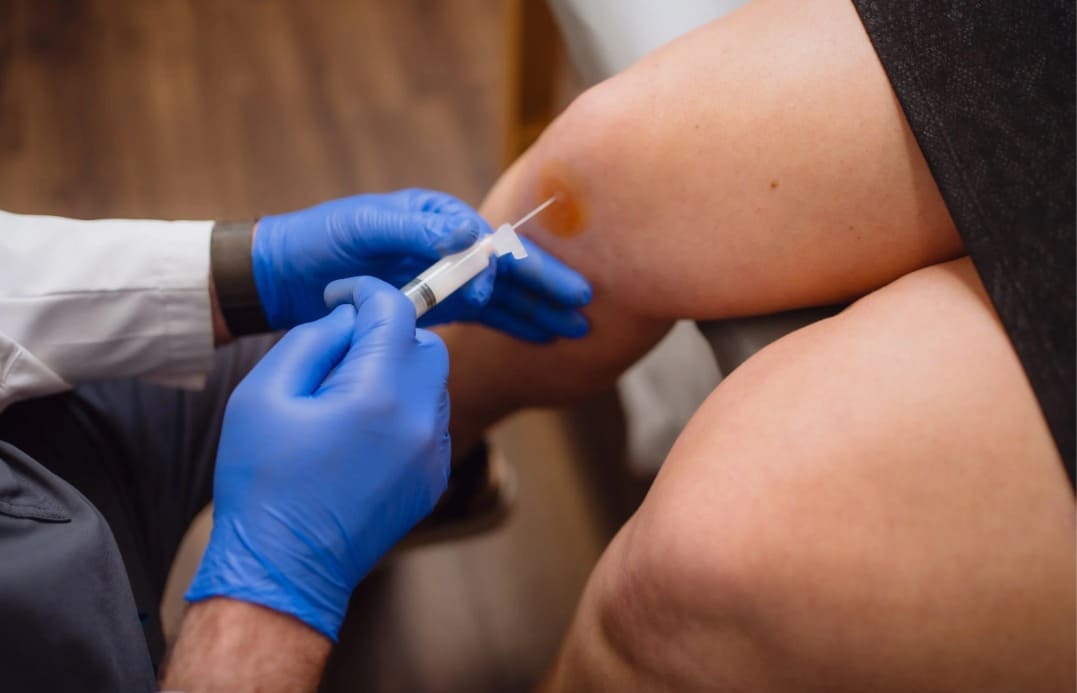



Fat grafting, or fat transfer, is a cosmetic procedure in which fat is taken from one part of the body and injected into the target area. The primary goal of this procedure is to restore volume, enhance contour, and overall appearance of the face, breasts, hands, and buttocks.
While fat grafting has been used in cosmetic clinics worldwide for some time, Micro fat grafting and Nano Fat Grafting are cutting-edge techniques in regenerative and aesthetic medicine that have revolutionized how soft tissue augmentation and rejuvenation are performed. At Hortman Clinics, the award-winning aesthetic clinic for beauty treatments, fat grafting procedures are performed by board-certified and experienced cosmetic surgeons.
This blog explores these new-age fat grafting methods – how they work, when they are recommended, and how they differ.
What is Micro fat grafting?
Micro-fat grafting, or micrografting, is an advanced fat transfer method that one’s own fat to restore volume, improve skin quality, and rejuvenate aging tissues. This technique is used for facial enhancement and hand rejuvenation.
Unlike traditional fat grafting methods that use large fat particles for most of the volume restoration, micrografting uses finely processed fat particles that can be injected more precisely into delicate, superficial areas to achieve natural-looking results.
How Does it Work?
Micro fat grafting, like other techniques of fat grafting, is based on the regenerative potential of adipose tissues.
- When the processed microfat is injected into the surrounding tissues in the target area, the regenerative cells within the fat stimulate collagen production and tissue repair.
- This integration of the small-sized fat cells helps restore volume while improving skin texture and elasticity.
- Results of a Micro fat grafting procedure are usually gradual and become evident as the healing progresses and tissues regenerate naturally.
- Common treatment areas for micrografting include cheeks, lips, smile lines, under-eye hollows, and hands.
What are the Advantages of Micro fat grafting ?
Micro fat grafting is increasingly becoming a popular fat transfer technique for the following benefits it offers:
- Since it uses the fat from the individual’s own body, there is minimal risk of allergic reactions or rejection.
- The regenerative potential of the adipose or fat tissue provides natural-looking volume enhancement and contour correction.
- It improves skin texture, elasticity, and overall skin quality
- Minimally invasive procedure with relatively smaller incisions and downtime
- It is ideal for delicate areas like under-eye hollows, lips, and fine facial contours invasive procedure with relatively smaller incisions and downtime
- Can soften scars, wrinkles, and signs of aging simultaneously
- Offers longer-lasting results compared to many temporary dermal fillers
- Results are more refined than those seen with macrografting
- Enhances tissue healing and promotes collagen production
- Allows customized treatment based on individual facial anatomy and aesthetic goals
What are the Disadvantages of Micro fat grafting ?
Microfat grafting is increasingly becoming a popular fat transfer technique for the following benefits it offers:
- Some of the transferred fat may be reabsorbed by the body over time, which may alter the achieved results
- You may need several sessions for optimal results
- Results of Micro fat grafting vary depending on fat survival and individual healing response
- Overcorrection or uneven fat distribution may occur if not performed precisely
- Small risk of infection, cyst formation, or fat necrosis
- Not ideal for patients with insufficient donor fat reserves
- Recovery time may be longer compared to non-surgical injectable fillers
What is Nano Fat Grafting?
Nano fat grafting or nanografting is a cosmetic procedure in which a bioactive adipose-derived cellular matrix is injected into the target area. Nanografting is similar to micrografting but has an additional step of liquefying the fat before grafting.
Nano fat grafting is commonly used to treat areas with defined contours, such as the temples, dark circles, or sunken appearance around the eyes, wrinkles, and fine lines. This technique is particularly used for facial contour enhancements, but may be used to add contour and volume to breasts and buttocks.
When is Nano Fat Grafting Needed?
Nano fat grafting is recommended to treat the following signs of aging:
- Early signs of aging, such as fine facial lines and wrinkles
- Fine lines around the mouth
- Dark skin around the eyes
- Stretch marks
- Nasolabial Folds (laugh line)
- Sun damage in the décolletage area
- Neck Lines
Who are Suitable candidates for Nano-Fat Grafting?
Nano fat grafting is recommended for those who:
- Are young but facial contours lack volume (flat cheeks, hollow under the eyes, or a weak chin)
- Wish to reduce pigmentation
- Want to improve the quality and texture of their skin
- Want to add more volume or want their buttocks and breasts to appear toned
- Are looking for a non-surgical or economical way to improve your facial contour
Additionally, it helps to have a positive attitude and realistic expectations of the results. You must also be healthy and not suffer from any chronic medical condition. Nano-fat grafting is not advisable for people under 30 years of age and people who smoke.
How Does Nano-Fat Grafting Work?
Nano-fat grafting involves harvesting fat from donor areas like the abdomen or thighs using a minimally invasive liposuction. The collected fat is processed and filtered mechanically into an ultra-fine consistency called nanofat.
Unlike traditional fat grafting methods, nano-fat grafting is injected using fine needles or cannulas. When injected, the fat stimulates collagen production, improves blood circulation, and improves tissue repair. This helps:
- Improve skin texture and elasticity
- Enhances tone and overall skin quality
Nano-fat grafting is therefore more effective at addressing fine lines, acne scars, pigmentation, and crepey skin.
What Happens During a Nano fat grafting Procedure at Hortman Clinics?
Hortman Clinics is one of the most trusted dermatologist-led aesthetic clinics in Dubai, providing advanced anti-aging procedures.
At Hortman Clinics, a Nano fat grafting procedure involves the following steps:
A nano fat grafting procedure is performed under local anesthesia with sedation on an outpatient basis. A general anesthesia may be used if other procedures, like a facelift, are performed along with nanografting. Both the target and the donor areas are anesthetized, making it a comfortable procedure for you.
Once the donor site (usually the buttocks or love handles) is numbed, a small puncture is made using a blunt needle and a special aspirator. To do this, a cannula is connected to a syringe, and fat is carefully collected using liposuction.
This step takes around 30 minutes or less and is almost painless. There are no significant risks involved in harvesting fat.
Once the fat is collected using liposuction, it is purified and concentrated in a centrifuge. The purified and concentrated fat is then transferred to tiny needles for injection into the target areas.
A specialized cannula is used to inject the nanograft. To prevent bruising, the nanofat is inserted with the help of blunt cannulas.
Typically provides a permanent solution.
Ideal for individuals with active lifestyles.
What to Expect After a Nano fat grafting Procedure?
Nano fat grafting is a minimally invasive procedure performed on an outpatient basis. You can go home after the procedure. Your surgeon will give you a list of Dos and Don’ts that you must follow to ensure minimal side effects and best results:
- Avoid wearing a compression garment for the first few weeks after the procedure to reduce the chances of swelling and other postoperative risks.
- The treated areas may feel slightly sensitive for a few days. Be assured, it will resolve.
- The results of a Nano fat grafting procedure become apparent within a few weeks. This is because mesenchymal cell activity continues to develop, and results take 1 to 3 months.
What are the Advantages of Nano fat grafting?
Nano fat grafting offers several advantages over conventional fat grafting procedures:
- It delivers natural results
- Improves skin texture, evens out tone, and increases elasticity
- Nano fat graftings are rich in regenerative cells and growth factors that support tissue healing
- Boosted collagen production that aids long-term skin rejuvenation
- Reduction in fine lines, wrinkles, acne scars, and pigmentation
- Effective for delicate areas such as under-eye dark circles and crepey skin
- Since it uses the patient’s own tissues, the risk of allergic reactions is minimal or none
- Minimally invasive procedure with small incisions and a relatively short recovery time
- Helps improve overall skin quality and hydration
- Gives you natural-looking rejuvenation without the use of synthetic fillers
- May improve scar appearance and damaged skin over time
- Can be combined with other aesthetic procedures for better results
What are the Drawbacks of Nano fat grafting?
As with any procedure, Nano fat grafting also have their own drawbacks:
- It does not provide significant volume enhancement compared to traditional fat grafting
- The results develop gradually and may take several weeks before they become visible
- Multiple treatment sessions may be required for optimal outcomes
- Results may vary based on the skin’s response to healing
- Outcomes are highly dependent on the clinician’s expertise and technique
- Mild discomfort may occur during recovery
- Long-term results and regenerative effects may vary between individuals
Micro fat grafting Vs Nano fat grafting: A Quick Overview
Let’s make a quick comparison between Micro fat grafting and Nano fat grafting – the two advanced fat grafting techniques increasingly becoming popular in aesthetic and cosmetic medicine:
- Micro fat grafting uses small, refined fat particles for volume restoration and contour enhancement, while Nano fat grafting uses ultra-filtered liquid fat that is mainly meant for skin rejuvenation.
- Micro fat grafting contain viable fat cells for volumization, whereas Nano fat grafting are rich in regenerative cells and growth factors that improve skin quality.
- Micro fat grafting is best suited to increase the volume and contour of facial features such as the cheeks, lips, smile lines, under-eye hollows, and hands, while Nano fat grafting is commonly used to address concerns such as fine lines, acne scars, pigmentation, and dark circles.
- Micro fat grafting provides structural support and soft-tissue augmentation, whereas Nano fat grafting primarily focus on collagen stimulation and tissue repair.
- Micro fat grafting is injected deeper into the tissues for contour correction, whereas nanograft is injected superficially into the skin, depending on its effect on the tissues.
- Micro fat grafting helps restore youthful facial volume, while nanograft improves skin texture, tone, and elasticity.
- Micro fat grafting is best suited for moderate volume deficiencies, whereas Nano fat grafting is more effective for overall skin rejuvenation.
Which Fat Grafting Method is Right for You?
If you are thinking about undergoing a fat grafting procedure, it is but natural to wonder which is the best or the right technique for you. Choosing the right fat grafting method depends on your specific goals and treatment area.
- If you primarily require volume enhancement, macro-fat grafting is the best option.
- For moderate enhancements and soft facial corrections, micro-fat grafting is recommended.
- If your treatment goal is to enhance your skin quality and address early signs of aging, nano-fat grafting is the perfect solution.
In many cases, clinicians combine micrograft and nanograft techniques for comprehensive facial rejuvenation and natural-looking results.
Consulting with an experienced cosmetic surgeon at top clinics like Hortman Clinics, will help determine the best approach based on your needs, body type, and expected outcomes.
Key Takeaways
Micro fat grafting and Nano fat grafting are next-gen regenerative treatments that combine natural volume enhancement with skin rejuvenation.
Both techniques are popular but have different scenarios for their usage. While Micro fat grafting is best suited for contour enhancement and volume loss correction, Nano fat grafting focuses on improving skin quality, texture, and overall tissue regeneration.
When performed by an experienced clinician, these advanced fat grafting procedures can provide long-lasting rejuvenation with minimal invasiveness and improved tissue health.
To know more about these fat grafting procedures and which one is best for you, schedule an appointment with our expert cosmetic surgeons at Hortman Clinics today!
Frequently Asked Questions
How long does a Nano fat grafting procedure take?
The complete Nano fat grafting procedure typically takes 1 to 1.5 hours.
Is Nano fat grafting painful?
Nano-fat grafting is performed under local or general anesthesia at the donor and recipient sites. This ensures the procedure is painless. However, it is important to choose an experienced doctor who will ensure the procedure is comfortable and safe for you.
What are the advantages of nano-fat grafting?
- Nano-fat grafting offers several advantages:
- Long-lasting results
- Minimally invasive nature of the procedure
- Shorter recovery
- Small scar that fades with time
How is Nano fat grafting different from a regular fat transfer?
Fat transfer moves excess volume from one part of the body to another area in need, whereas Nano fat grafting harnesses the regenerative power of stem cells in the fat. Nano fat grafting, therefore, promotes the restoration and repair of the skin at the injection site.
We are here for you. Always.
Everything we do is tailored to your needs, this is why we take our time to take care of you and answer all your questions.