


Peptide Therapy for Gut Health
Peptide Therapy for Gut Health
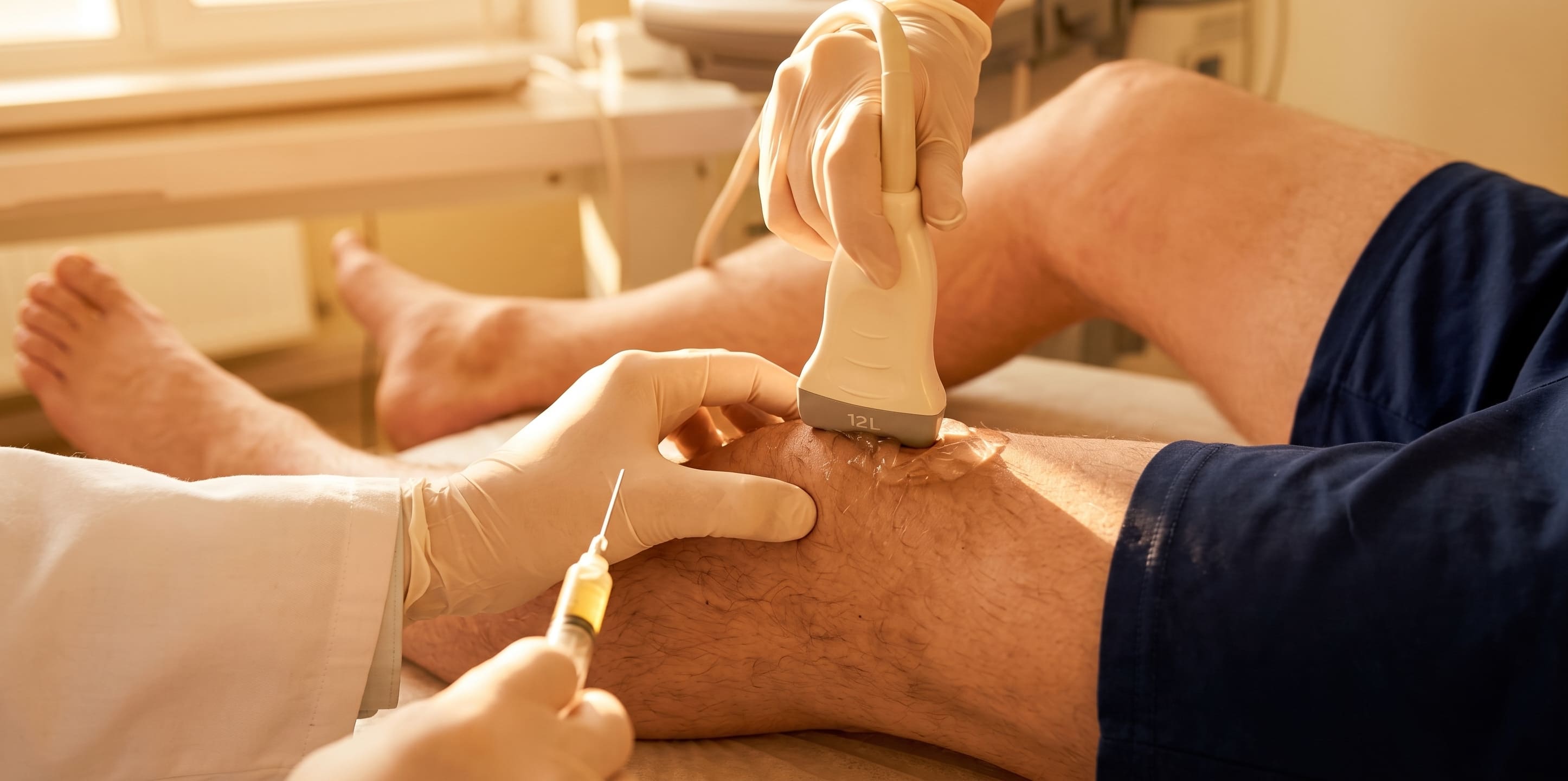
Peptide therapy is the use of peptides (short chains of amino acids) to support repair of the intestinal (gut) lining, reduce inflammation, and create a healthier environment for gut bacteria. Among the most talked-about gut-focused peptides are BPC-157 and KPV.
A 2022 study found that over 40% of people experience gut health issues. Gut health has become one of the biggest topics of conversation in recent times, and for good reason. There are several treatments and medications, along with lifestyle changes, recommended to help restore gut health, including peptide therapy.
At Hortman Clinics, the leading longevity and wellness clinic in Dubai, our team of experts brings together advanced therapies, individualized care, and a root-cause approach to healing your gut.
In this blog, we’ve got you all that you need to know about peptide therapy for gut health.
What Factors Can Affect Your Gut Health?
Gut health issues rarely occur due to a single issue. In most cases, it is the result of multiple factors that build over time. The most common causative factors include:
- Poor diet: Consuming a diet that is high in sugar and ultra-processed foods may disrupt the balance of beneficial and harmful microbes.
- Chronic stress: Persistent stress levels increase the production of cortisol, which alters the communication between the brain and the digestive system.
- Overuse of medications: Excessive use of NSAIDs, antibiotics, and proton pump inhibitors (PPIs) can alter the bacterial flora and weaken the mucosal barrier that protects the intestinal lining.
- Environmental toxins: They also play a role in increasing oxidative stress and inflammation.
Additionally, the presence of other gastrointestinal conditions, like irritable bowel syndrome (IBS) and inflammatory bowel disease, may increase intestinal permeability, often called a 'leaky gut.’
When the gut barrier becomes more porous than it should be, substances that would normally stay inside the digestive tract begin to interact with the immune system, potentially causing ongoing inflammation and discomfort.
How Do Peptides Improve Gut Health?
Peptides act as messengers or regulators that control several functions and processes in the body – from hormone release to immune response, tissue response and signaling between cells. Peptide therapy uses naturally occurring peptides (those that are present in the body) or others that are synthesized to mimic or improve the biological effects of these peptides.
Peptide therapy can help gut health by:
- Reducing inflammatory signaling
- Help in mucosal repair
- Improve and restore the gut microbiome
However, it is important to understand that peptide therapy is not a magic bullet and is only useful when prescribed by a clinician as part of a guided gut-healing treatment plan.
Is Peptide Therapy for Gut Health Right for You?
Peptide therapy is an emerging area of research and should be considered for individuals having gastrointestinal conditions characterized by inflammation, impaired mucosal lining, and compromised gut barrier function.
Peptide therapy for gut health may be a helpful treatment for:
- People with chronic inflammatory gastrointestinal disorders, such as inflammatory bowel disease (IBD), ulcerative colitis, and Crohn's disease.
- People with recurrent gastrointestinal ulceration or impaired healing of the digestive tract.
- Individuals with a ‘leaky gut’ (though its use here is still under study)
- Patients recovering from gastrointestinal injury, surgery, or conditions involving mucosal damage
- Individuals with persistent gut inflammation that has not adequately responded to standard dietary, lifestyle, or medical interventions.
Some peptides, like BPC-157 and KPV, are particularly of interest for their potential effects on intestinal healing, inflammation modulation, and gut barrier integrity. However, these compounds are still not approved by major regulatory agencies, like the FDA, for gut health.
Since peptide therapy for gut healing is still being studied, you must always opt for the treatment only after appropriate medical evaluation and discuss potential benefits, risks, and alternatives with a qualified healthcare provider.
What are the Benefits of Peptide Therapy for Gut Health?
Here are some of the science-backed benefits of peptides for gut health:
- Support intestinal tissue repair and healing: Existing research shows the potential benefits of peptides, like BPC-157 and GLP-2, in supporting intestinal tissue repair and healing.
- Modulate inflammation: Thymosin Beta-4 (TB-500) has shown potential to regulate inflammatory pathways and support tissue healing.
- Improves function of the intestinal barrier: Peptides such as BPC-157 and GLP-2 support intestinal barrier integrity by promoting mucosal growth and reducing intestinal permeability.
- Support recovery from gastrointestinal injury: BPC-157 and Thymosin Beta-4 have been shown to support tissue repair, helping in recovery after gastrointestinal injury.
- Improves symptoms of inflammatory bowel conditions: GLP-2 and its analogs may help reduce symptoms of inflammatory bowel conditions such as IBS
- Enhances cellular regeneration and repair processes: BPC-157, Thymosin Beta-4, and GLP-2 have all been linked with pathways responsible for tissue regeneration, angiogenesis (formation of new blood vessels), and cellular repair. These mechanisms are believed to contribute to their potential therapeutic effects on gastrointestinal healing and recovery.
Who Should Avoid Peptide Therapy?
Despite the many potential benefits of peptide therapy for gut health, it is not recommended for the following groups:
- Pregnant and breastfeeding women
- Individuals with a history of cancer or tumors
- People who have severe, uncontrolled endocrine or autoimmune conditions
BPC-157: The Gut Repair Peptide
Among the many peptides used today, BPC-157 is of particular interest for gut health. BPC-157, or Body Protection Compound-157, is a synthetic peptide derived from a protective protein found in human gastric juice.
Given its origin, BPC-157 is of interest for improving gut health. Researchers have been studying this peptide for decades, and most studies highlight its role in tissue protection, angiogenesis (formation of new blood vessels), modulation of nitric oxide, and control of inflammation.
It has been found that BPC-157 supports tight junction proteins, indirectly helping to keep the intestinal barrier sealed. This is why BPC-157 is often discussed with leaky gut, inflammatory bowel conditions, gastric ulcers, and damage associated with stress, alcohol, and chronic medications. However, this information has been gathered from preclinical studies, and large-scale human studies are limited.
Does Hormonal Imbalance Affect Gut Health?
In addition to the factors affecting gut health we saw earlier, hormonal imbalance in the body can also influence it. This is primarily because hormones help regulate motility, digestive secretions, appetite, stress response, inflammation, and even the composition of the microbiome.
- Estrogen, progesterone, cortisol, thyroid hormones, and insulin all influence how the gut functions. When there is an imbalance in one or more of these hormones, people may notice changes such as bloating, constipation, loose stools, reflux, altered appetite, or increased food sensitivities.
- A hormone of particular interest for gut health is cortisol. Chronic stress can elevate cortisol levels, which may weaken the intestinal barrier and alter the microbial balance.
- Menopause can coincide with changes in motility and changes in the gut microbiome. diversity.
- Thyroid dysfunction can slow digestion.
- Blood sugar instability can feed inflammation.
Due to this interlink between hormonal balance, gut health, and overall health, an effective gut health restoration protocol often treats all these interconnected systems together rather than treating the digestive tract alone.
Are There Side Effects of Peptide Therapy for Your Gut?
Peptide therapy may cause side effects in some people. The most commonly discussed side effects of peptide therapy for gut health include:
- Injection-site irritation for injectable products
- Mild digestive discomfort
- Headache
- Flushing
- Transient changes in appetite or energy.
Peptide therapy is often described as more targeted than many traditional gut treatments, but that does not mean it is risk-free. The safety of peptide therapy for the gut depends on
- The specific peptide
- Quality of the product
- Method of administration
- Individual medical history and appropriate supervision
It is very important to understand that not all peptides have the same depth of human safety data, and some compounds remain far better studied in animals than in people.
That is why peptide therapy should be approached carefully and under licensed clinical guidance.
If you are considering peptide therapy for improving your gut health, consult only a qualified provider who can help determine whether the treatment is appropriate for you.
For gut health, peptides should ideally complement foundational work such as nutrition, stress management, microbiome support, and management of any underlying digestive condition.
How is Peptide Therapy Different from Standard Gut Support?
After learning about peptide therapy and its benefits, it is only natural to wonder how it differs from standard treatments for gut health.
- Peptide therapy is designed to support tissue-level signaling and not just reduce symptoms.
- Conventional therapies, such as corticosteroids, can be very effective for short-term suppression of inflammation, especially during acute flares. But they are not designed to rebuild the gut barrier.
- Mesalazine may help maintain control of inflammation in certain bowel conditions, yet it also does not directly function as a regenerative signal for epithelial repair. In contrast, peptides are being studied precisely because they may influence repair pathways as well as inflammatory activity.
- While natural substances like colostrum, glutamine-rich foods, and bone broth can play a role in gut recovery, their effects are broader, less standardized, and often slower than the targeted mechanisms being explored with peptide therapy.
It is helpful to use peptide therapy along with other supportive treatments to improve and support gut health. While diet and lifestyle create the foundation, supplements may provide building blocks, medications can control disease activity when necessary, and peptides may offer a more focused regenerative layer within a comprehensive plan.
Key Takeaways
Peptide therapy for gut health sits right at the junction of regenerative medicine and personalized wellness. It is very effective in addressing intestinal permeability, mucosal inflammation, and tissue recovery, particularly when traditional strategies have only gone so far.
Peptides such as BPC-157 are becoming increasingly popular because they act at the level of cellular signaling and barrier integrity rather than simply masking symptoms. At the same time, the field still requires more high-quality human research, and no responsible discussion should ignore that fact.
If you want to learn more about peptide therapy for gut health and find out if you are a suitable candidate for the treatment, book your personalized consultation with our doctors at Hortman Clinics.
To book an appointment, click here!
Frequently Asked Questions
Although still under study, peptides may help address chronic gut issues when used over the long term.
When prescribed and administered by a trained and qualified doctor, peptide therapy is safe for most people. However, in some rare cases, serious side effects may occur due to poor sourcing or use without proper clinical supervision and assessment.
You may notice improvement in your gut symptoms, such as reduced bloating, improved digestion, and energy around 4 to 8 weeks after consistent use of peptide therapy.
While several peptides are being studied for their benefits to gut health, the most popular is BPC-157.
BPC-157 (Body Protection Compound-157) is primarily recognized in regenerative medicine for its potent gastrointestinal and tissue-repairing properties. It supports tight junction proteins, indirectly helping keep the intestinal barrier sealed and reducing conditions like leaky gut.
You may notice improvements within 1 to 2 weeks of starting peptide therapy. However, optimal gut healing usually takes 4 to 8 weeks of consistent use of peptide therapy.
HORTMAN CLINICS NEWS
Related News
We are here for you. Always.
Everything we do is tailored to your needs, this is why we take our time to take care of you and answer all your questions.