

Beard Transplant Benefits, Procedure, Healing Process, And Aftercare Tips
Beard Transplant Introduction
One of the most attractive traits a man may have is a thick beard. Growing a thick, full beard has long been associated with flair and masculinity. But not everyone has an abundance of facial hair due to genetics. Fortunately, a common option for those looking to improve their facial profile is a beard transplant in Dubai.
Male hormones often promote the development of beard hair around adolescence. The beard’s hair follicles create terminal hairs, or dense hair, in addition to having a solid hereditary foundation. However, what happens if you desire to grow a beard but are unable to do so?
The effective transplantation of follicular units in the face zone has been made feasible by expertise and advancements in hair transplantation procedures. In order to enhance the look and accentuate male characteristics with natural outcomes, treatments at a professional beard transplant clinic Dubai have been more popular in recent years.
The advantages of beard transplantation, the actual treatment, potential side effects, the healing process, and crucial aftercare advice will all be covered in this blog article.
Beard Transplantation: What Is It?
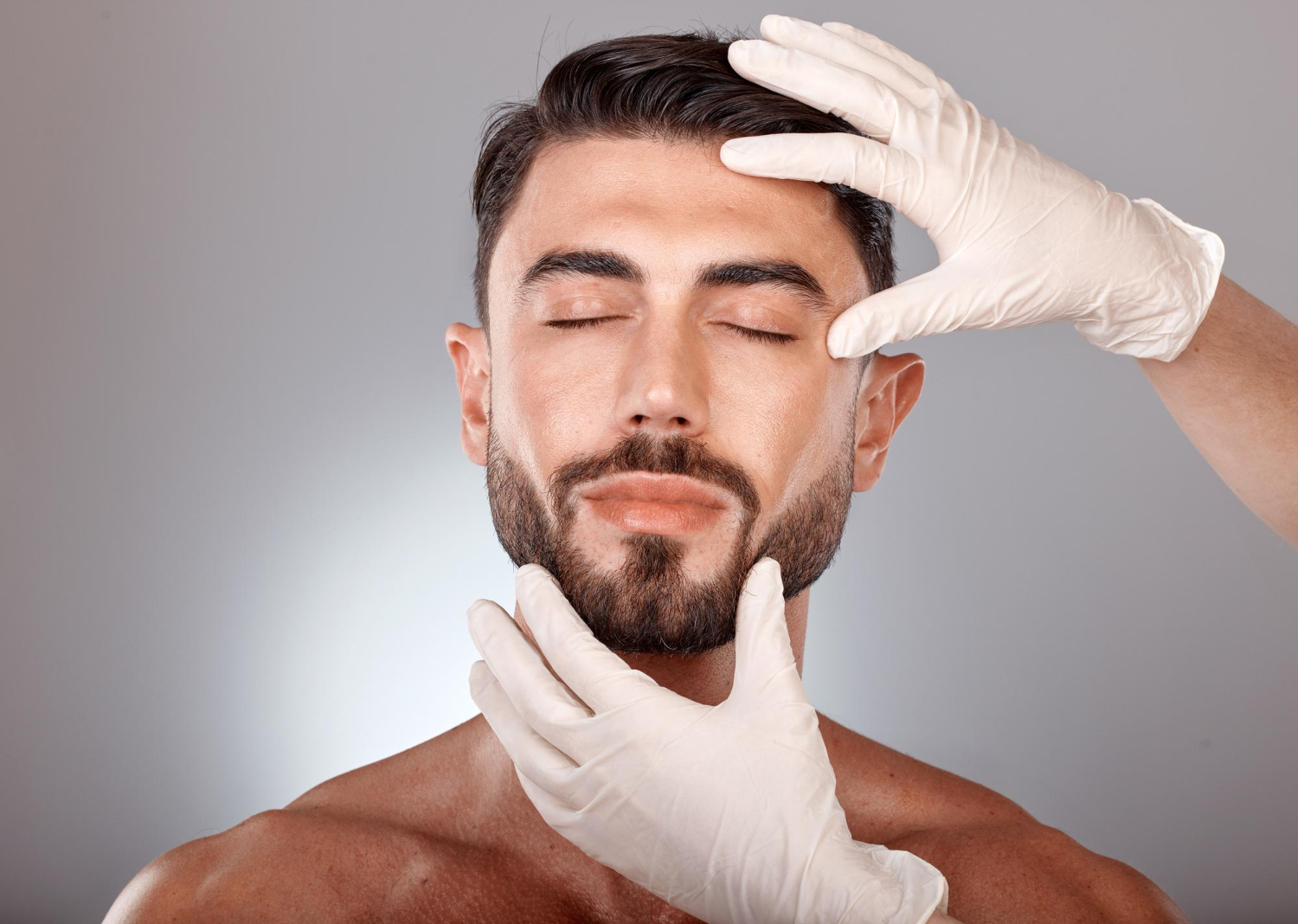
Hair follicles from other regions of the body, often the back of the head, are removed and implanted into the beard area during beard transplant surgery. People with patchy facial hair or sparse development might benefit from a facial hair transplant Dubai, which gives them the chance to get a larger, more uniform beard.
Benefits Of Beard Transplant
- Improved Facial Look: People with thin or patchy facial hair can have a thicker, more defined beard with a beard transplant, which improves the symmetry and overall look of their faces.
- Confidence Boost: Having a thicker beard may greatly increase a person’s confidence and sense of self-worth, making them feel more beautiful and manly.
- Customized Beard Design: During the transplant process, the beard may be made to fit the person’s preferred density, shape, and style, giving them a distinctive appearance. This can also include a sideburn transplant Dubai to create a seamless transition from the hair to the face.
How Is A Beard Transplant Conducted?
A particular type of facial hair transplantation known as a beard transplant Dubai involves removing hair from one area of the body and inserting it into tiny incisions on the neck, cheeks, or chin. The procedure uses your own hair to develop new hair, much like any other hair transplant. Compared to many other procedures, the recuperation period following a beard transplant procedure is rather short. You’ll usually be in and out of the clinic in a single day, returning to work the following day.
When you visit the best beard transplant clinic in Dubai, the process usually takes three to six hours to finish.
- Planning and Consultation: The procedure starts with a consultation with a skilled surgeon who will assess the patient’s present beard growth, talk about the intended result, and create a customized transplant plan.
- Donor Hair Extraction: Using minimally invasive methods such as follicular unit extraction (FUE), hair follicles are removed from a donor location, usually the back of the scalp.
- Recipient Region Preparation: To prepare the beard region for the implantation of hair follicles, small incisions or receiving sites are made.
- Transplantation: To get a natural-looking outcome, the removed hair follicles are meticulously implanted into the recipient areas, making sure that the angle, direction, and density are correct.
- Post-Transplant Care: To maximize healing and encourage effective hair growth, the surgeon will offer thorough aftercare recommendations.
Possible Complications Of Beard Transplant
Even though beard transplant surgery is usually safe and effective, it’s crucial to be mindful of any side effects, even if they are uncommon. Choosing the best beard transplant surgeon in Dubai ensures that the problems are mild and transient. Following surgery, bleeding, mild discomfort, itching, and swelling of the face and donor region are normal and go away in a few weeks.
Additional potential issues might be:
- An infection
- Bruising or swelling
- Reactions to allergies
- Hairs that are ingrown
- Itching or temporary numbness in the transplant region
Beard Transplant Healing Process
To maximize outcomes after a beard transplant treatment, it is crucial to comprehend and adhere to the appropriate recovery process. Reviewing before and after beard transplant Dubai cases can help you understand the stages of healing:
Beard Transplant: Immediate Post-Procedure Period
The transplanted region may be somewhat swollen, red, or uncomfortable during the first 24 hours following the procedure. There may also be some bleeding or scab development, but these are common and should go away in a few days.
Weeks 1-2: Beard Transplant Recovery And Crust Formation
During this period, the transplanted hair follicles will go into a dormant phase.
The transplanted region will develop crusts; it’s important to stay away from touching or picking at them.
Your surgeon may suggest that you use a moderate saline solution to gently clean the area.
Week 2-3: Beard Transplant Shedding Phase
If the transplanted hair begins to shed at this time, don’t panic. The hair follicles are entering a new growth phase as a result of this normal procedure.
Month 2-3: New Hair Growth
At this point, you should begin to notice fresh hair growth, which will first appear fine and thin.
It’s crucial to exercise patience and give the recently transplanted hair time to grow stronger and thicker.
Month 4-6: Continued Hair Growth
Over time, the transplanted hair will continue to grow and thicken.
You should see noticeable changes in the density and look of your beard at the conclusion of this time.
Aftercare Tips For Optimal Beard Transplant Results
Here are some crucial aftercare suggestions to guarantee the best possible result after your beard transplant:
- Prevent Direct Sun Exposure: Use a wide-brimmed hat or high-SPF sunscreen to shield the transplanted region from the sun’s damaging rays.
- When Washing, Use Gentleness: Choose a light shampoo and clean the transplanted region with patting strokes rather than rubbing or scrubbing.
- Steer Clear Of Drinking And Smoking: Both can impede the healing process and have a detrimental effect on the growth of a beard.
- Observe The Advice Of Your Surgeon: You will get case-specific directions from your surgeon, which you must carefully follow.
- Eat A Balanced Diet: Better beard development and general healing may be achieved with a nutritious diet high in vitamins and minerals.
Conclusion
For those who struggle with sparse or patchy facial hair, beard transplant surgery is a great way to get a full, thick beard. To guarantee the finest outcomes, it is crucial to comprehend the advantages, technique, potential issues, healing process, and appropriate aftercare measures. It is crucial to speak with a qualified surgeon at Hortman Clinics since they will help you every step of the way, enabling you to experience an amazing transformation and increase your self-confidence.
FAQs
What is a beard transplant and how does it work?
A beard transplant is a procedure where hair follicles are taken from a donor area, usually the back of the scalp, and implanted into the face to create a fuller, thicker beard. It helps men with patchy or sparse facial hair achieve a natural, well-defined look. The procedure is usually done using FUE techniques for minimal scarring and fast recovery.
Who can benefit from a beard transplant at Hortman Clinics Dubai?
Men with thin, patchy, or uneven facial hair are ideal candidates for beard transplant surgery. At Hortman Clinics Dubai, surgeons design a customized beard style based on density, shape, and personal preference, helping patients boost confidence and enhance masculine features with natural results.
What is the recovery process after a beard transplant?
Recovery after a beard transplant involves initial swelling, redness, or mild discomfort for the first 24 hours. Over the next few weeks, scabs form, and the transplanted hairs may shed. New hair growth usually begins around 2–3 months, gradually thickening over 4–6 months. Proper aftercare is key for optimal results.
Are beard transplants safe and what are the possible side effects?
Beard transplants are generally safe when performed by skilled surgeons. Mild side effects can include swelling, redness, itching, or small scabs, which typically resolve within a few weeks. Rare complications may include infection, ingrown hairs, or temporary numbness in the treated area.
What aftercare is recommended for best beard transplant results in Dubai?
For optimal outcomes, avoid direct sun exposure, use gentle cleaning methods, and follow your surgeon’s advice closely. Avoid smoking and alcohol, and maintain a nutritious diet to support hair growth. Following these steps ensures a thicker, healthier beard and a smooth recovery after your procedure in Dubai.