


NAD+ Subcutaneous Treatment
NAD+ (nicotinamide adenine dinucleotide) is a naturally occurring coenzyme involved in cellular energy metabolism, redox regulation, and other biological processes.
At Hortman Clinics, treatment suitability is assessed individually by a qualified medical professional.
Book Now
What Is
What is NAD+?
NAD⁺ (nicotinamide adenine dinucleotide) is a naturally occurring critical coenzyme found in every cell of the body. It plays an essential role in:
- Cellular energy production
- Sirtuin activation (SIRT-7 longevity pathways)
- DNA damage repair (PARP enzymes)
- Cellular signaling and redox balance
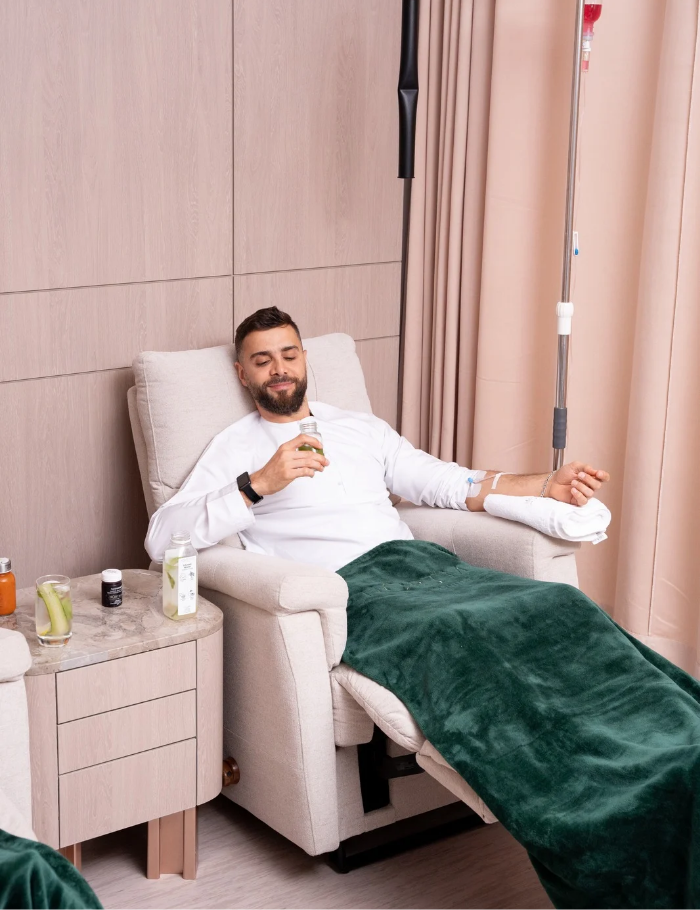
NAD+ metabolism changes with age, although the extent of NAD+ decline in humans varies by tissue, age, and study methodology. Because it supports processes fundamental to normal physiology, NAD+ subcutaneous therapy can support healthy aging and metabolic function.
How it works
When is NAD+ Subcutaneous Therapy Recommended?
NAD+ therapy may be considered in the following clinical scenarios:
NAD+ is being investigated for its potential role in cellular energy metabolism and fatigue-related conditions, but clinical evidence for treating chronic fatigue, long COVID, or burnout remains limited.
NAD+ is being studied for its effect on brain fog, cognitive decline, early neurodegeneration, and assistance in neuronal repair and synaptic function.
NAD+ activates sirtuins and PARP, supports DNA damage repair, and promotes metabolic health.
NAD+ exerts anti-inflammatory effects via the SIRT1/NF-kB pathway and supports joint health and regenerative recovery post-PRP or injection.
NAD+ improves insulin sensitivity, lipid metabolism, and vascular function, which complements GLP-1 and weight management protocols.
NAD+ is involved in cellular energy metabolism and has attracted interest in sports and recovery settings, although clinical evidence that subcutaneous NAD⁺ improves VO₂ max or athletic performance remains limited.
Benefits
What Potential Benefits Are Being Investigated?
NAD+ therapy offers several benefits:
- Boosts cellular energy and reduces fatigue: NAD⁺ is central to cellular energy metabolism and helps cells transfer energy derived from nutrients through metabolic pathways that ultimately contribute to ATP production. It may help boost cellular energy in people experiencing concerns around energy and fatigue.
- Supports brain function and mental clarity
- Promotes longevity and healthy aging: NAD+ may help with longevity and healthy aging. Existing research suggests that NAD+ therapy may support cell repair, improve metabolic health, enhance mitochondrial function, reduce oxidative stress, and slow age-related decline in bodily functions, thereby supporting longevity and healthy aging.
- Improves cardiac, metabolic, and vascular health: NAD+ exerts anti-inflammatory and antioxidant effects across different tissues, which may be particularly beneficial for the cardiovascular and metabolic systems.
- Enhances joint recovery and reduces inflammation: NAD+ has been shown to reduce inflammation of the joints and muscles, improving healing and recovery of the musculoskeletal system.
- Optimizes athletic performance and recovery: Because NAD⁺ participates in energy metabolism and cellular signaling, it has attracted interest in recovery and general well-being programs.
Do
Who Might Be Considered for NAD+ Therapy?
At Hortman Clinics, NAD+ subcutaneous therapy is recommended only after an individual assessment by a trained medical professional. This treatment may be suitable for you if you are
- An adult over 35 years, with fatigue, brain fog, or metabolic decline
- Post-viral/ long COVID recovery
- People who are undergoing longevity programs
- People on GLP-1/weight management protocols
- Elite athletes seeking performance and recovery edge
- Pre- and post-regenerative musculoskeletal injection (PRP, Arthrosamid)
Do
Are There Side Effects of NAD+ Subcutaneous Therapy?
When administered by a trained medical professional after a complete medical evaluation, NAD+ subcutaneous therapy is safe. However, some people may experience temporary side effects, such as:
- Transient flushing
- Nausea
- Mild reactions at the injection site
NAD+ subcutaneous therapy is an upcoming therapy that is largely under study. Not everyone is a candidate for the treatment, and it may be unsafe if administered without proper medical evaluation.
NAD+ subcutaneous therapy is not suitable for the following groups due to limited safety data in them:
- Pregnant and breastfeeding women
- People with severe hepatic or renal impairment
NAD+ subcutaneous therapy is also not safe for people who:
- Have significant cardiovascular disease
- Have a history of significant medication reactions
- Have an acute illness or infection
- Have an acuAre taking medications or supplements that may require consideration before treatmentte illness or infection
- Are undergoing active treatment for a serious medical condition
This list is not exhaustive. Do not start an injectable wellness treatment without discussing your complete medical history with a qualified clinician.
What is the Protocol for the Administration of NAD+ Subcutaneous Therapy?
At Hortman Clinics, Dubai, NAD+ subcutaneous therapy is recommended, administered, and monitored by trained, board-certified medical professionals.
The protocol for NAD+ therapy is divided into three stages:
- 50 mg SC, 3x weekly
- Assess tolerance
- Some patients may experience transient flushing
- 100 mg SC, 3 to 5 times weekly
- Titrated based on response
- Most patients benefit by weeks 6 to 8
- After 8 weeks, a basal metabolic panel and liver function tests are performed to assess various health parameters.
- 100 to 500 mg SC
- Daily or as directed
- Elite/longevity protocols
- Combined with NMN oral/peptide stacks if indicated
Why is NAD+ Therapy Given Subcutaneously?
The subcutaneous route is preferred for the administration of NAD+ for the following reasons:
- It offers superior bioavailability vs oral NMN/NR
- Avoids the liver’s first-pass metabolism
- Faster cellular uptake and ensures sustained plasma levels
- Can be self-administered via a pre-filled pen device
During
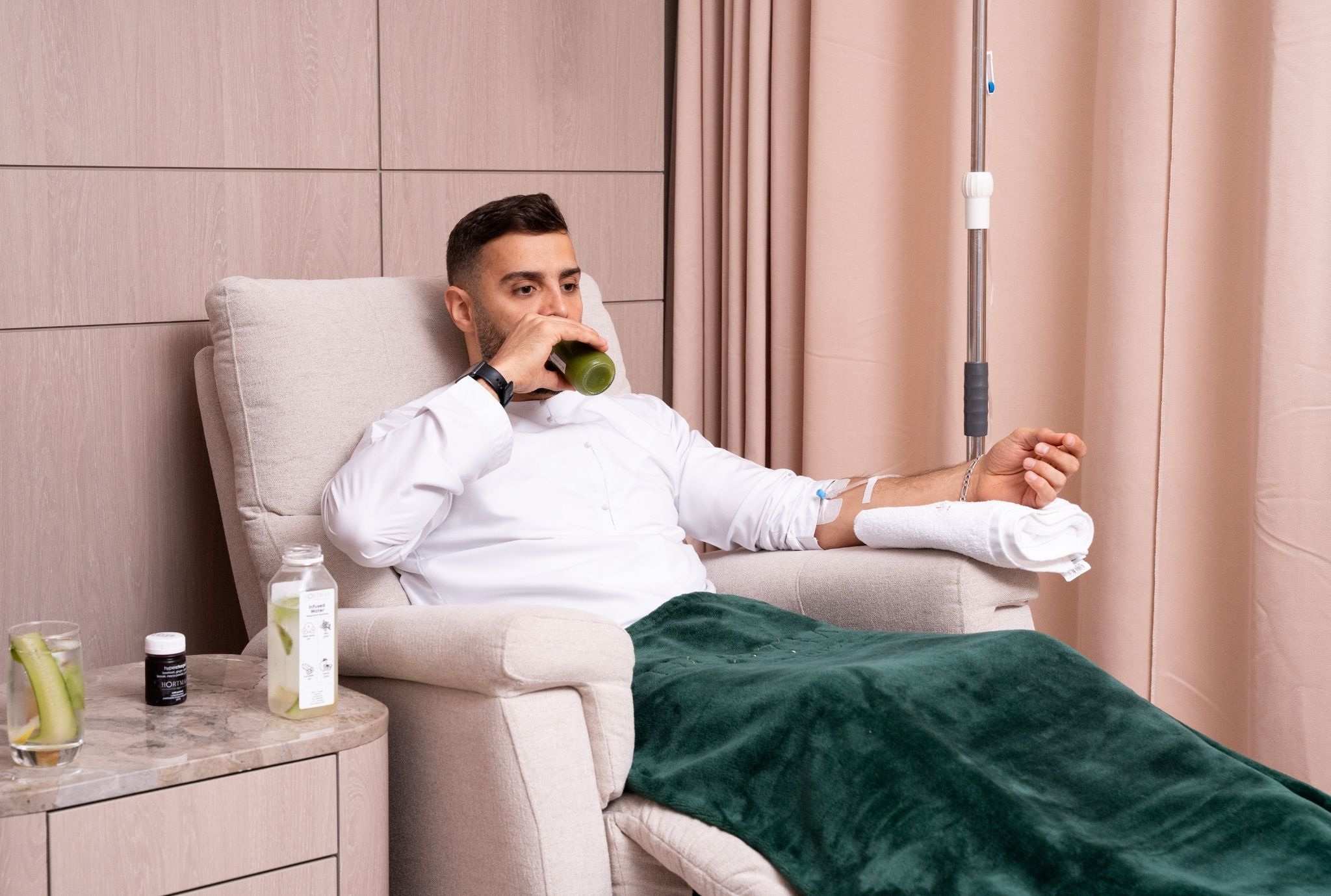
What Happens During a NAD+ Subcutaneous Therapy at Hortman Clinics?
If you are considering NAD+ subcutaneous therapy at Hortman Clinics, Dubai, your journey may include the following steps:
Our clinical team will discuss your health history, current medications and supplements, allergies and previous reactions to similar treatments, health and wellness goals, and previous NAD⁺ or infusion treatments.
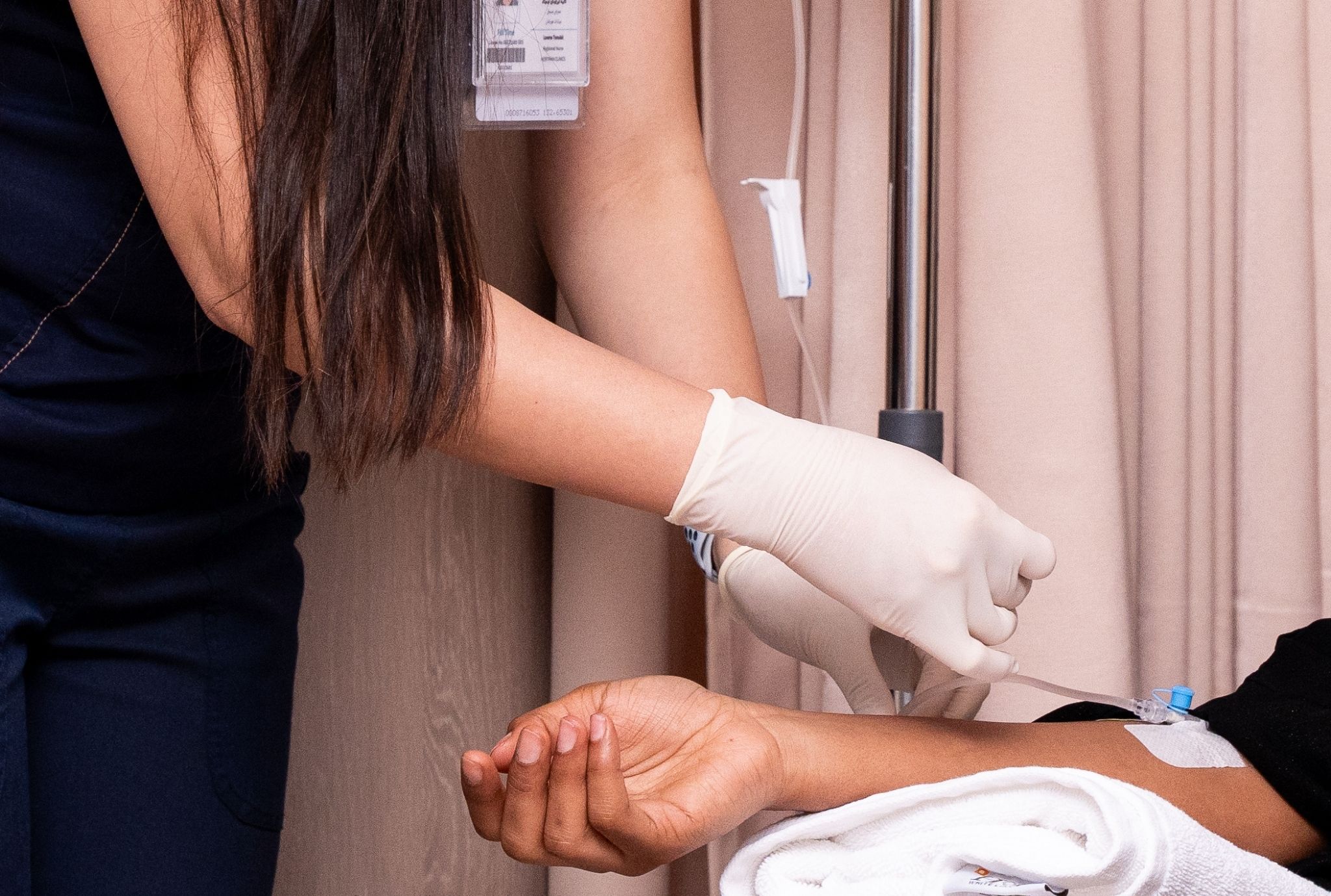
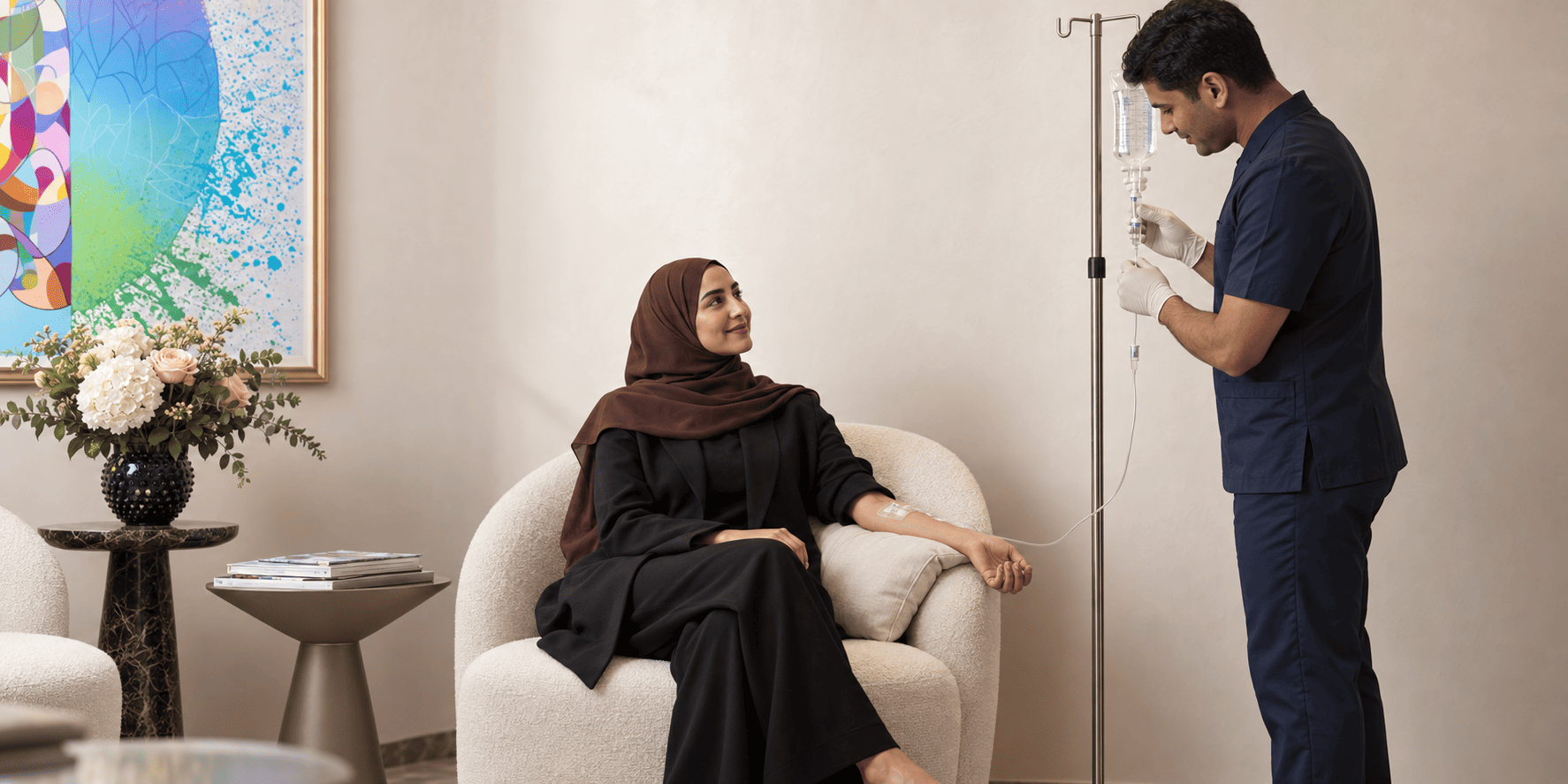
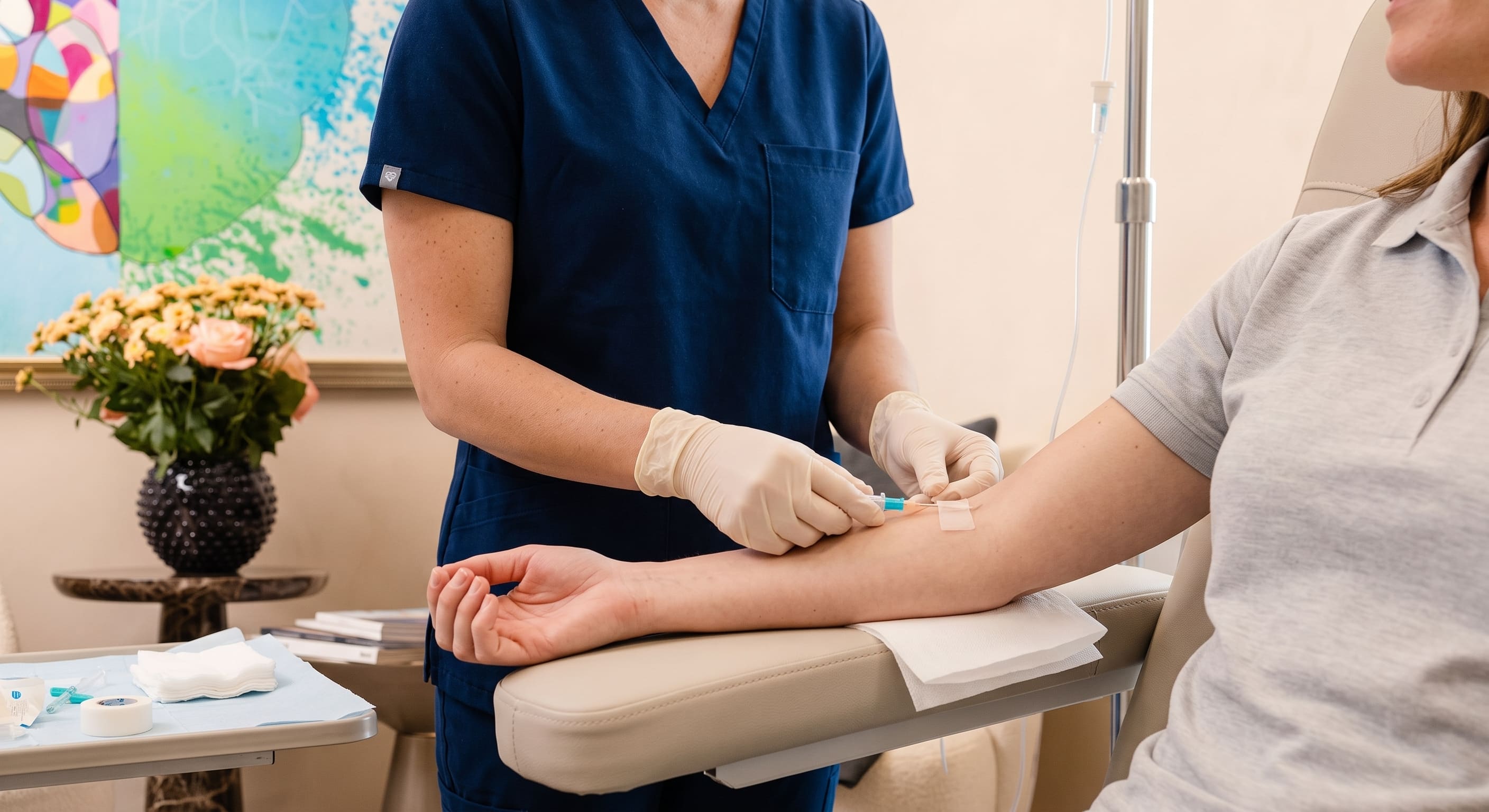
The injection site is selected and prepared using appropriate clinical precautions. An appropriately qualified healthcare professional administers the treatment subcutaneously according to the clinic's clinical protocol.
Why choose Hortman Clinics for NAD⁺ therapy in Dubai?
Hortman Clinics is a leading regenerative medicine clinic in Dubai where we believe longevity and anti-aging treatments must be grounded in clinical assessment.
Our approach focuses on:
- Individualised consultation
- Appropriate medical screening
- Clinician-led treatment
- Patient safety
- Transparent discussion of potential benefits and limitations
- Realistic expectations
- Integration with broader health and lifestyle goals
Our team also recognizes that the evidence surrounding NAD⁺ therapies is evolving. Where research remains preliminary, we believe patients deserve to know that.
DOCTOR
Book a Consultation for NAD⁺ Subcutaneous Therapy in Dubai
NAD⁺ subcutaneous therapy is an emerging area of regenerative medicine, particularly for anti-aging and longevity. Our clinical team discusses whether NAD⁺ therapy is appropriate for you, based on your individual wellness and healthy-aging goals, potential benefits, limitations, and safety considerations. A qualified healthcare professional should determine treatment suitability, administration, dosage, and frequency after an individual clinical assessment.
If you are considering NAD+ subcutaneous therapy, book a personalized consultation at Hortman Clinics today.
FAQs
Frequently asked questions
No, NAD+ and NADH are two related forms of the same enzyme ecosystem. However, they have different biochemical roles.
There is currently no human evidence showing that subcutaneous NAD⁺ reverses biological aging or prolongs lifespan.
NAD⁺ is essential to cellular energy metabolism, but whether NAD+ injections produce a meaningful improvement in fatigue or energy in humans remains uncertain. Individual experiences may vary, and more clinical research is needed.
The total number of NAD+ subcutaneous therapy sessions depends on your overall health, treatment goals, and age.
There is currently insufficient evidence to conclude that subcutaneous NAD+ is clinically superior to oral NAD+ precursors such as NR or NMN. The two approaches differ in pharmacology, administration, and available human evidence, and more comparative research is needed.
There is no well-established timeline for clinical benefits from subcutaneous NAD+ therapy. Response may vary depending on the individual, treatment protocol, and reason for treatment.
We are here for you. Always.
Everything we do is tailored to your needs, this is why we take our time to take care of you and answer all your questions.