


Septoplasty Surgery Dubai
Breathe easier with Septoplasty Surgery at Hortman Clinics Dubai.
Our DHA-licensed and board-certified ENT surgeon corrects a deviated septum to improve nasal airflow, breathing, and everyday comfort.
Book your consultation to assess your symptoms and find out whether septoplasty is the right treatment for you.
Book Now
Last medically reviewed : October 30, 2026
What Is
What is Septoplasty?
When the septum is significantly deviated or shifted to one side, it can restrict airflow, cause persistent nasal congestion, and contribute to breathing difficulties.
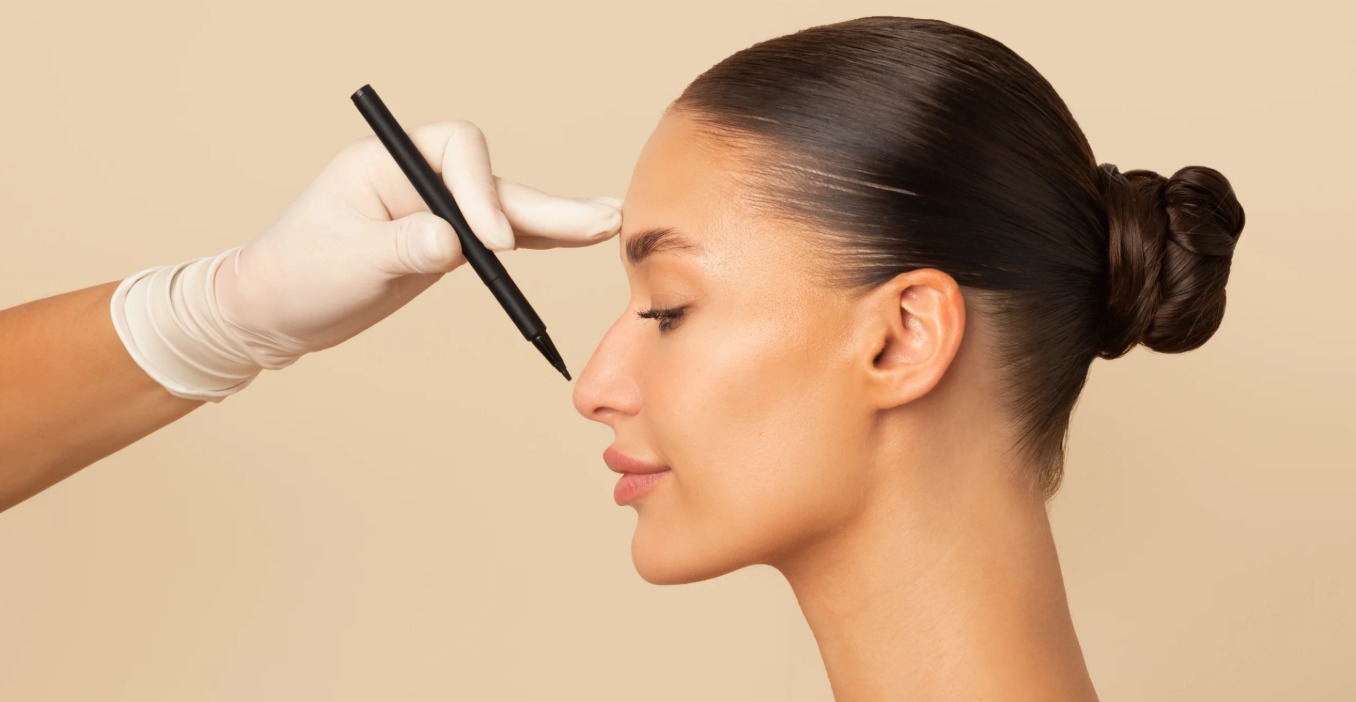
This surgical procedure aims to improve nasal airflow by correcting a deviated nasal septum and is not intended to reshape the external nose.
If an external nasal deformity also affects breathing or appearance, your DHA-licensed, board-certified plastic surgeon with extensive experience in facial and nasal surgery may discuss septorhinoplasty following an individual assessment.
At Hortman Clinics, our board-certified plastic surgeon with extensive experience in facial and nasal surgery begins with a detailed evaluation of nasal symptoms, the underlying cause of obstruction, and the most suitable management options.

Symptoms
Symptoms of a Deviated Septum and When is Septoplasty Considered
Common reasons for performing a septoplasty are:
When breathing is difficult or requires effort through one or both nostrils and interferes with daily activities.
Ongoing blockage linked to a structural deviation, especially when medical treatment has not provided enough relief.
Nasal obstruction can cause snoring, disrupt sleep, or make nasal breathing difficult at night.
Bleeding that may be associated with abnormal septal anatomy or local irritation, after other causes have been considered.
A significant deviation that corresponds with the patient’s symptoms and examination findings.
Not every deviated septum requires surgery. Allergic rhinitis, enlarged nasal turbinates, sinus inflammation, and nasal polyps can also cause obstruction. These conditions require different treatments or procedures.
Who is a Suitable Candidate for Septoplasty?
The surgeon decides whether to perform a septoplasty based on the severity of the deviation, its effect on breathing, the patient’s overall health, and whether other conditions contribute to nasal obstruction.
You may benefit from an assessment for septoplasty if you have:
- Regular difficulty breathing through your nose
- Persistent blockage that is worse on one side
- Nasal obstruction that continues despite appropriate medication
- Sleep disturbance that is linked to difficulty breathing through the nose
- Recurrent nasal symptoms that affect exercise, work, or quality of life
- A history of nasal trauma followed by persistent breathing difficulties
Children and adolescents require particular consideration because the nose and facial structures may still be developing. A qualified specialist should determine the timing of surgery based on the individual’s symptoms, age, and clinical circumstances.
How is Septoplasty Performed at Hortman Clinics?
The surgeon is also a member of the Rhinoplasty Society of Europe, reflecting a professional focus on rhinoplasty and nasal procedures.
Before the procedure, the surgeon reviews your medical history, nasal symptoms, previous injuries, medications, and any history of nasal procedures.
A physical examination of the nose, along with additional assessment where clinically indicated, may be used to evaluate the septum and nasal passages.
The surgeon will also explain the proposed procedure, expected recovery, possible complications, and preparation instructions.
The procedure typically involves:
Septoplasty is usually performed under general anesthesia, although local anesthesia with sedation may be appropriate in selected cases.
The surgeon generally makes internal incisions and carefully lifts the lining covering the septal cartilage and bone. The deviated portions are then reshaped, repositioned, or selectively removed to create a straighter septum and improve nasal airflow.
The lining is repositioned and secured with dissolvable stitches. Soft silicone splints may be placed inside the nose when needed to support healing and help prevent the septal surfaces from sticking together.
After surgery, the medical team monitors your recovery from anesthesia and checks for any early complications.
Septoplasty is often performed as a day-care procedure, although an overnight stay may occasionally be recommended depending on the complexity of the procedure and the patient’s individual clinical needs.
Recovery
What to Expect After Surgery?
What to Expect After Surgery?
- In the first few days: Your nose may feel blocked because of swelling, crusting, or internal splints. You can manage mild discomfort with medication recommended by your surgeon. Avoid blowing your nose unless your surgeon advises otherwise. Rest is important.
- Week 1 to 2: Congestion and discharge generally begin to improve. Many patients can return to desk-based work or school within about a week. Avoid strenuous workouts, lifting heavy objects, or activities that increase the risk of nasal injury.
- In the following weeks: The internal swelling settles gradually, and nasal airflow may improve progressively. The surgeon will recommend saline sprays or rinses to keep the nasal passages clean.
When Will You Notice the Results?
- You may notice some improvement within the first few weeks, but congestion can temporarily mask the benefits of surgery.
- Healing continues over several weeks, and the final functional result may take a few months to become clear.
Tips for a Smooth Recovery
Follow your surgeon’s instructions, which may include:
- Keeping your head elevated while resting
- Avoiding blowing your nose, strenuous exercise, and heavy lifting until permitted by your doctor
- Using prescribed medication and saline sprays as directed
- Avoiding smoking and other factors that may interfere with healing
- Keep your follow-up appointments to monitor the healing process
Septoplasty Risks and Possible Complications
Septoplasty is generally safe when performed by a qualified surgeon. However, like any other surgical procedure, it may cause side effects and complications. Some of these include:
- Bleeding
- Infection
- Swelling and discomfort
- Septal perforation
- Persistent nasal obstruction
- Septal hematoma (blood may collect between the septal tissues)
- Changes in nasal appearance
- Altered sense of smell or temporary numbness
Some patients may require revision surgery or additional treatment if symptoms persist.
Seek urgent medical advice if you develop heavy bleeding, rapidly worsening pain, fever, significant swelling, or other symptoms that concern you after surgery.

Septoplasty vs Rhinoplasty vs Septorhinoplasty
A septoplasty and rhinoplasty are often performed together but are essentially different procedures.
| Purpose | |
|---|---|
| Septoplasty | Corrects a deviated nasal septum to improve nasal airflow and function |
| Rhinoplasty | Changes the external shape or structure of the nose for functional or aesthetic reasons |
| Septorhinoplasty | Combines septal correction with reshaping of other nasal structures when both functional and structural or aesthetic concerns need to be addressed. |
Septoplasty alone is not intended to change the nose cosmetically. If external nasal deformity or nasal valve problems also contribute to obstruction, your surgeon may discuss whether an additional procedure is appropriate.
Why Choose Hortman Clinics for Septoplasty?
At Hortman Clinics, you can expect a personalized consultation with top board-certified plastic surgeon in Dubai, who will clearly explain your condition, available treatment options, and the expected benefits and limitations of surgery.
Important considerations when choosing Hortman Clinics for a septoplasty include:
- Individualized assessment
- Qualified surgical expertise
- Evidence-based recommendations
- Clear and transparent communication
- Continued monitoring and postoperative support

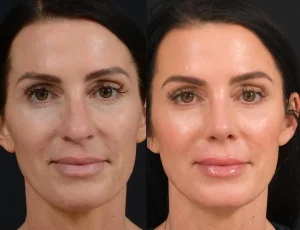
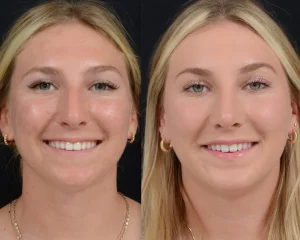
Before and After
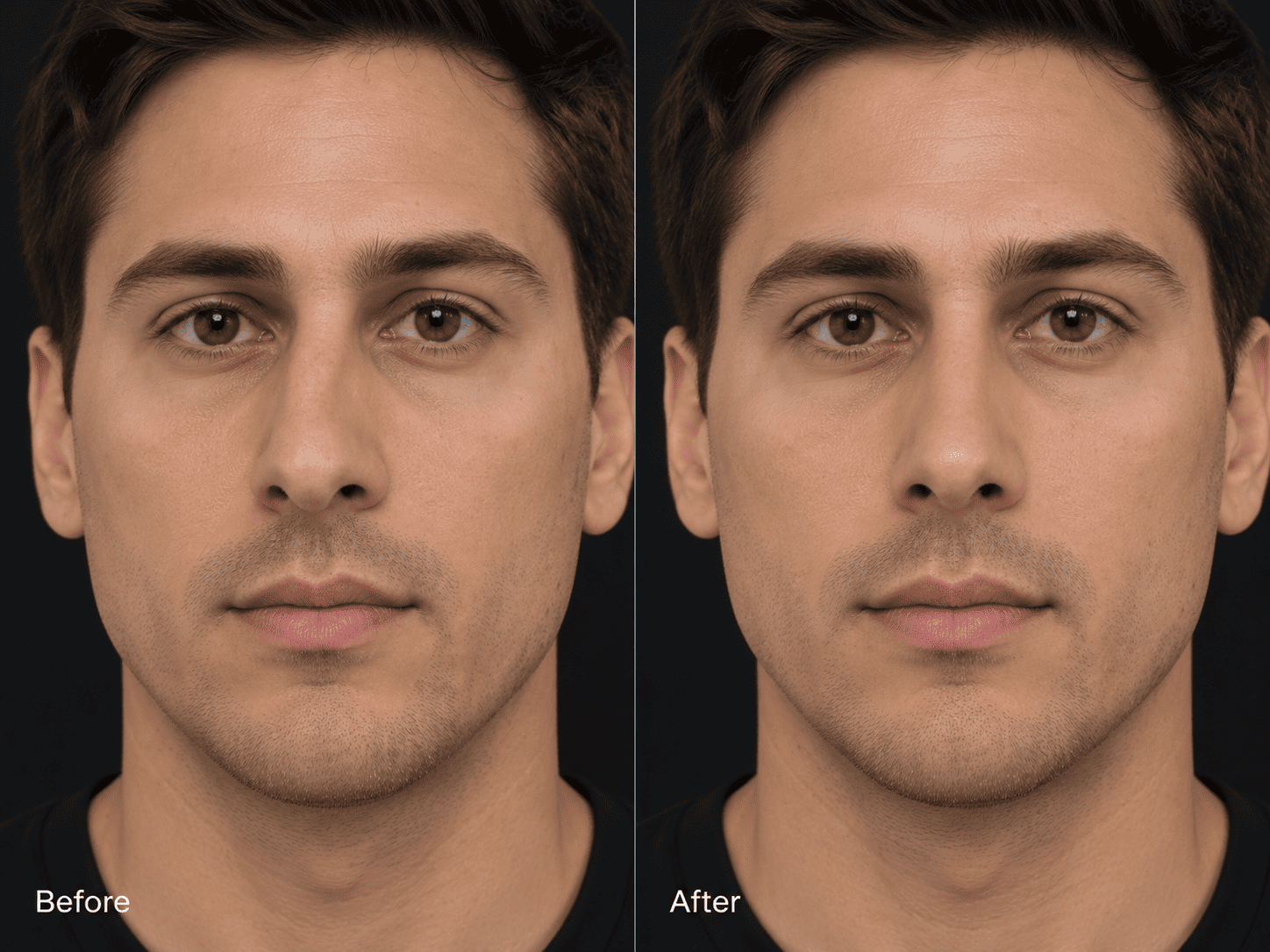
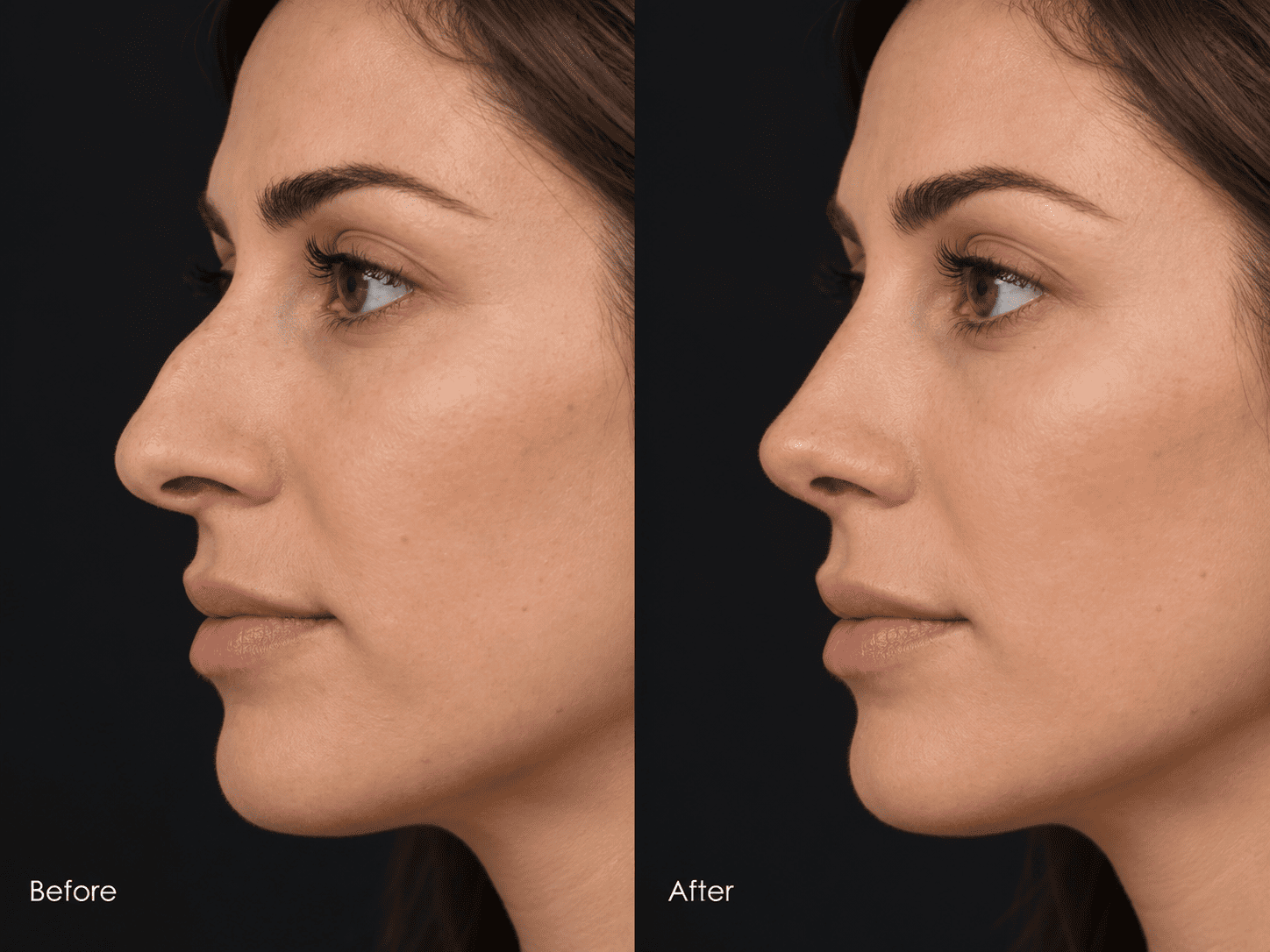
Explore real before-and-after results from patients treated at Hortman Clinics. Results vary between patients and may depend on factors including anatomy, skin type, age, medical history, treatment parameters, and individual response. All published patient images are used with appropriate patient consent.

DOCTOR
Your Surgeon at Hortman Clinics
Persistent nasal blockage can affect sleep, exercise, concentration, your everyday comfort, and overall quality of life. If you have difficulty breathing through your nose or suspect a deviated nasal septum may be responsible, a specialist assessment can help identify the cause and determine the best treatment. Book a consultation with Hortman Clinics to discuss your symptoms, understand your treatment options, and learn whether septoplasty may improve your nasal breathing. Contact Hortman Clinics for an expert consultation.
FAQs
Frequently asked questions
Septoplasty is a surgical procedure performed under general anesthesia. As with any surgical procedure, a septoplasty has risks, and suitability depends on an individual clinical assessment.
Septoplasty is performed under general anesthesia, so you should not feel pain during surgery. You may experience mild discomfort, pressure, swelling, and congestion afterwards, but these can be managed with medication recommended by your surgeon.
A septoplasty commonly takes around 30 to 90 minutes. However, the duration of the surgery depends on the complexity of the case and whether any additional procedures are performed.
Since septoplasty is a surgical procedure, you will need to take a few days off your routine to rest and recuperate. Many patients resume light daily activities within several days to about a week.
Septoplasty is performed to improve nasal airflow rather than change the shape of the nose. However, correcting the nasal deviation may affect the shape of the nose. If you are looking to change the shape of your nose externally, you may need to discuss rhinoplasty or septorhinoplasty with your surgeon.
A septoplasty may improve nasal airflow and help some patients with snoring or nasal obstruction during sleep. However, it does not guarantee a cure for snoring or obstructive sleep apnea, which can have multiple causes.
The structural correction obtained by a septoplasty is generally long-lasting. However, persistent or recurrent symptoms can occur because of healing changes, residual deviation, nasal valve problems, allergies, or other nasal conditions.
Consult a specialist if you have persistent nasal blockage, difficulty breathing through one or both nostrils, or sleep disturbance associated with nasal obstruction. A specialist can assess the cause of your symptoms and determine whether septoplasty or another treatment is appropriate.
We are here for you. Always.
Everything we do is tailored to your needs, this is why we take our time to take care of you and answer all your questions.