


Hypertrophic and Keloid Scar Treatment
At Hortman Clinics in Dubai, our DHA-licensed dermatologists and plastic surgeons offer evidence-based hypertrophic and keloid scar treatment, tailored to your skin type, scar location, and goals.

Book Now
Last medically reviewed : November 16, 2026
TREATMENT
What are Hypertrophic and Keloid Scars?
When you get an injury, the body repairs it by producing collagen. Normally, collagen production slows once the wound closes. However, in some people, the process continues too long, resulting in a thick, raised scar.
Such scars are of two types – hypertrophic and keloid.
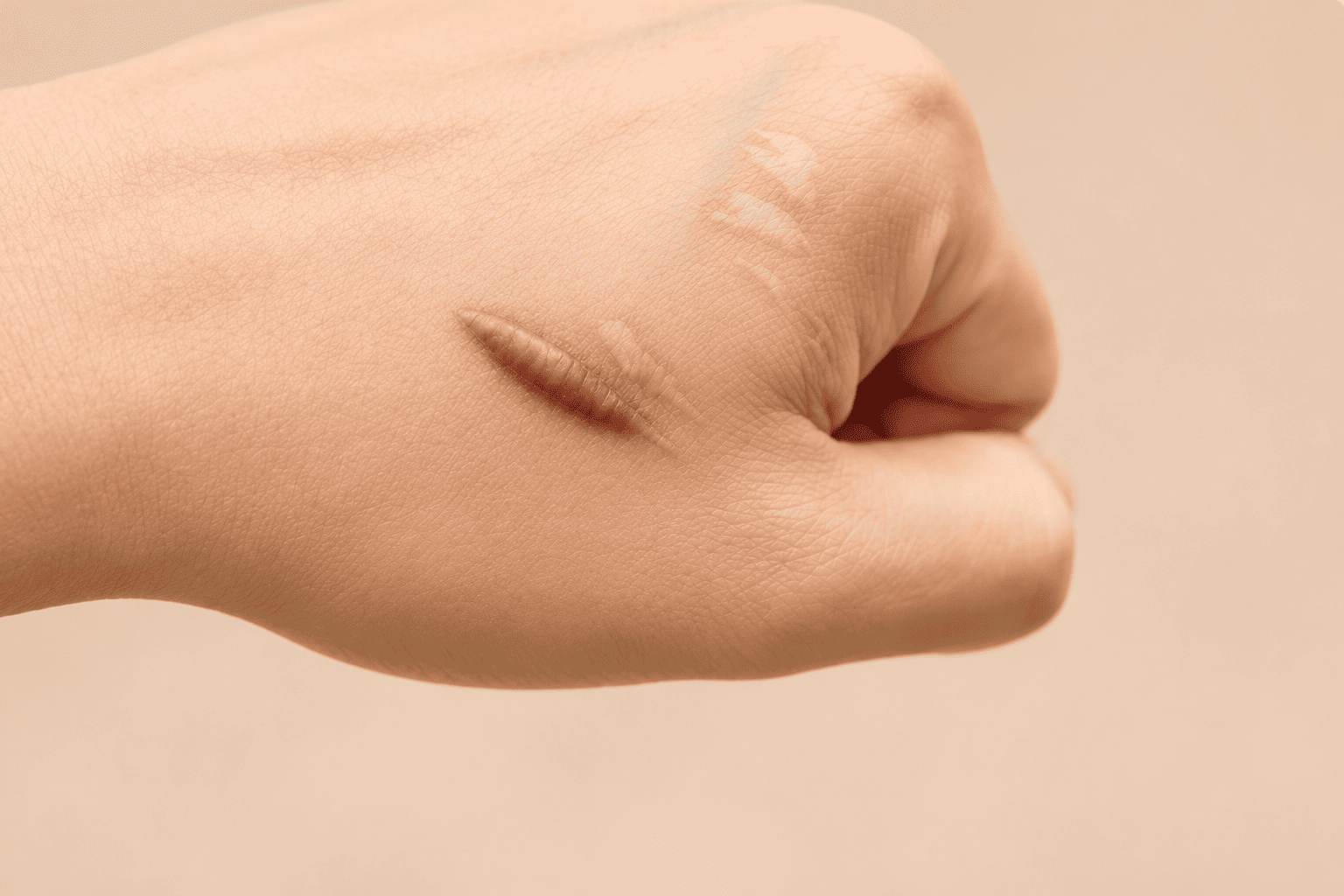
A hypertrophic scar is raised, often red or pink, and is limited within the borders of the original wound. It usually appears in the first few weeks after the injury and tends to improve partly over one to two years.
This scar grows beyond the boundaries of the original wound. It feels firm and rubbery, and can spread into healthy skin. Keloid scars may appear months after the injury, and rarely improve on their own. They also have a tendency to return after treatment.
While neither of these scar types are contagious or cancerous, they can be uncomfortable.
TREATMENT
Causes and Risk Factors for Raised Scars
Here are a few factors that may increase the risk of developing raised scars:
- Skin type: Raised scars, particularly keloids, are more likely to occur in people with darker skin tones. Dubai is home to residents from many backgrounds, making awareness of these scars important.
- Family history: Keloids often run in families. If you have a close family member with a history of keloid or hypertrophic scars, you may have a higher risk of developing them.
- Age: Keloid scars are more commonly seen in people between the ages of 10 and 30, although they can develop at any age.
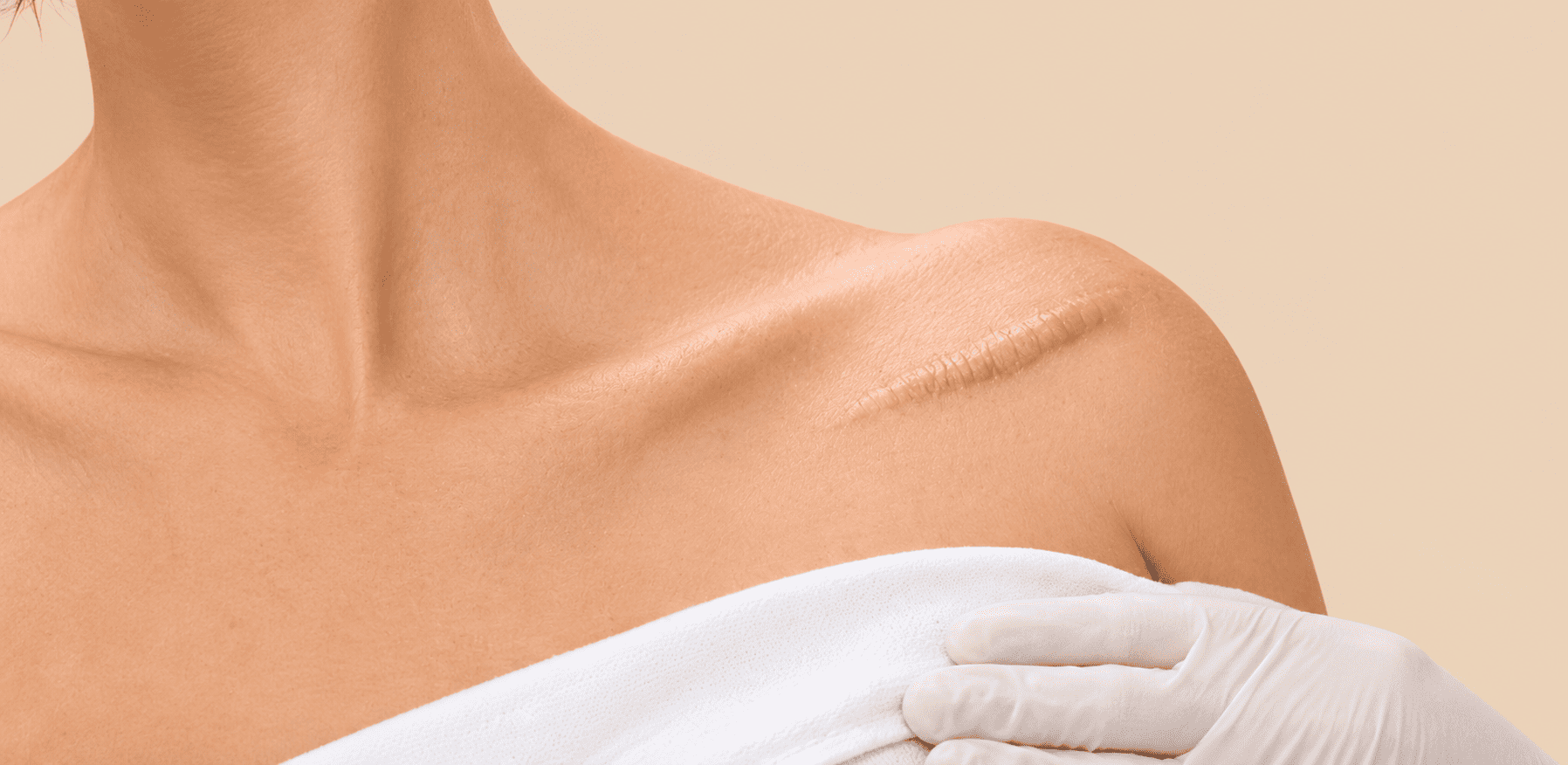
- Location: Raised scars are more common on the chest, shoulders, upper back, and earlobes, which are considered higher-risk areas.
- Healing problems: Infection, delayed wound healing, and constant skin tension can increase the risk of developing hypertrophic or keloid scars.
TREATMENT
Symptoms of Hypertrophic and Keloid Scars
Here are a few characteristics of scars that may require a further evaluation by your dermatologist:
- A raised, firm scar that feels thicker than the skin around it
- Red, pink, purple, or a darker color of the scar that is darker than your skin
- Itching, tenderness or burning in or around the scar
- A scar that keeps growing after the wound has healed
- Feeling of tightness in the scar that limits movement, especially near joints
TREATMENT
Diagnosis of Raised Scars
They will examine the scar's size, texture, color, and symptoms, and check how it affects movement.
In most cases, diagnosis is made by examination alone. A small skin sample (biopsy) is only needed if the diagnosis is uncertain.
Based on their analysis, they will recommend a personalized treatment option to manage your scar.
Treatment Options for Hypertrophic and Keloid Scars
Many patients need a combination of treatments over several months to eliminate or reduce the scar.
At Hortman Clinics, we use the following treatments for raised scars:
Medical-grade silicone gel or sheets may help soften and flatten some raised scars and may reduce the risk of scar thickening after a wound heals. The recommended duration and daily wear time depend on the product and treatment plan. Established keloids may require additional treatment.
Pressure garments or dressings can help after burns or on larger areas such as the limbs and torso. They need to be worn consistently, often for many months.
Steroid injections are a well-established treatment for keloids and thick hypertrophic scars. In this treatment, doctors inject a small amount of steroid into the scar every four to six weeks.
The steroid reduces inflammation, softens the scar and eases itching. To avoid side effects like skin thinning and lightening, doctors carefully control the dose and technique.
Medicines such as 5-fluorouracil (5-FU) may be used alone or with steroids. They can help when steroids alone have not worked or to lower the risk of side effects.
Freezing with liquid nitrogen shrinks scar tissue. It works best on smaller, newer scars and is often combined with injections. Because it can lighten the skin, we use it with caution on darker skin tones.
Vascular lasers, such as pulsed dye laser, reduce redness, itching, and thickness. Fractional lasers like CO2 and HALO may improve texture and flatten select scars. Laser settings must be chosen carefully for your skin tone, and treatment is usually delivered as a series of sessions.
This laser uses Er: YAG and Nd: YAG wavelengths to resurface skin and remodel collagen, aiming to reduce scar thickness and improve texture.
Surgical removal may be considered for selected large, resistant or function-limiting scars. Keloids have a substantial risk of recurrence after excision alone, so additional treatment is generally planned.
Postoperative radiotherapy may be considered for selected difficult cases following specialist assessment, after discussing potential benefits and risks.
Low-dose radiotherapy may be used after keloid surgery in selected patients. It is generally reserved for difficult cases and delivered by a specialist team.
PROCEDURE
Which is the Right Treatment for Me?
- Early or mild scars: Pressure therapy and monitoring.
- Thick, itchy, or growing scars: Injections, often combined with laser treatment.
- Large or resistant keloids: Combination therapy that may include surgery with follow-up treatment.
We explain every option, including its benefits, limitations, and risks, so you can make an informed decision.
What to Expect During Treatment at Hortman Clinics, Dubai?
- Consultation: We offer personalized consultations during which our dermatologists assess your scar, discuss goals, and determine the most suitable treatment for you.
- Procedure: Injections and laser treatments are performed by licensed medical professionals and laser therapists and take around 15 to 30 minutes.
- Recovery: Following treatment, most people return to normal activities the same day. Depending on the treatment you have undergone, mild swelling or redness can occur, which typically lasts a few days.
- Results: Scars improve gradually. Most patients need several sessions, and visible change often takes weeks to months. The goal of treatment is to flatten, soften, and relieve symptoms. It can significantly improve scars, but it may not remove them completely.
- Follow-up: Keloids can recur; regular follow-ups with your dermatologist are important.

RECOVERY
Risks and Side Effects
- Pain at the injection site
- Skin thinning
- Visible small blood vessels
- Darkening or lightening of the skin
- Ulceration
- Infection
- Scar recurrence
Your doctor will discuss these with you before you decide.
Cost of keloid and hypertrophic scar Treatment in Dubai
The final cost depends on the scar's size, number, treatment type, and number of sessions required.
After your consultation, our dermatologist will recommend a personalized treatment plan and provide an estimate of the total treatment cost.
Why Choose Hortman Clinics, Dubai for Hypertrophic and Keloid Scar Treatment?
If you are thinking about getting your scar treated, Hortman Clinics, Dubai, is the place to come to:
- Experienced specialists: DHA-licensed, board-certified dermatologists and experienced laser therapists, including Rebecca Treston, with expertise in scar management.
- Personalized treatment plans: Treatment plans are tailored to suit diverse skin types and individual scar concerns.
- Advanced technology: Modern, evidence-based technology and strict hygiene standards.
- Realistic expectations: Honest advice about achievable results, treatment limitations, and potential risks.
- Ongoing follow-up: Personalized follow-up care to monitor healing and help manage the risk of scar recurrence.
Book Your Scar Consultation in Dubai
You do not have to live with a scar that bothers you. Book your personalized consultation with our experienced dermatologists who can assess your scar and recommend the safest, most effective plan.
Before and After
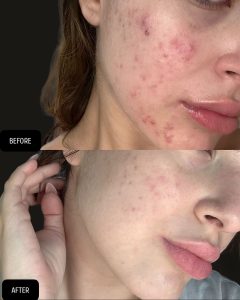
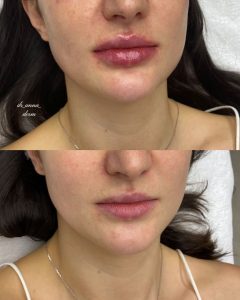
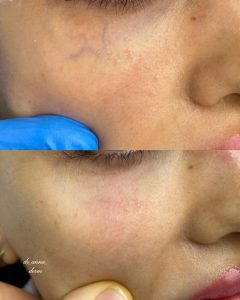
Explore real before-and-after results from patients treated at Hortman Clinics. Results vary between patients and may depend on factors including anatomy, skin type, age, medical history, treatment parameters, and individual response. All published patient images are used with appropriate patient consent.
FAQs
Frequently asked questions
Keloids rarely disappear without treatment. Hypertrophic scars may improve over time, but treatment can speed up the process and ease symptoms.
Recurrence is more common after keloid treatment.
Most people tolerate it well. Numbing cream or local anesthetic can reduce discomfort during injections or laser sessions.
Most people require multiple sessions spread over several weeks to months. Your doctor will estimate this after assessing your scar.
Yes, when an experienced practitioner uses the right laser and settings. A test or careful planning helps to reduce the risk of pigment changes.
Keloids are benign, but they can cause itching, pain, tightness and emotional distress, making treatment essential.
We are here for you. Always.
Everything we do is tailored to your needs, this is why we take our time to take care of you and answer all your questions.