

5 Popular Types Of Dermal Fillers Their Composition, And Uses
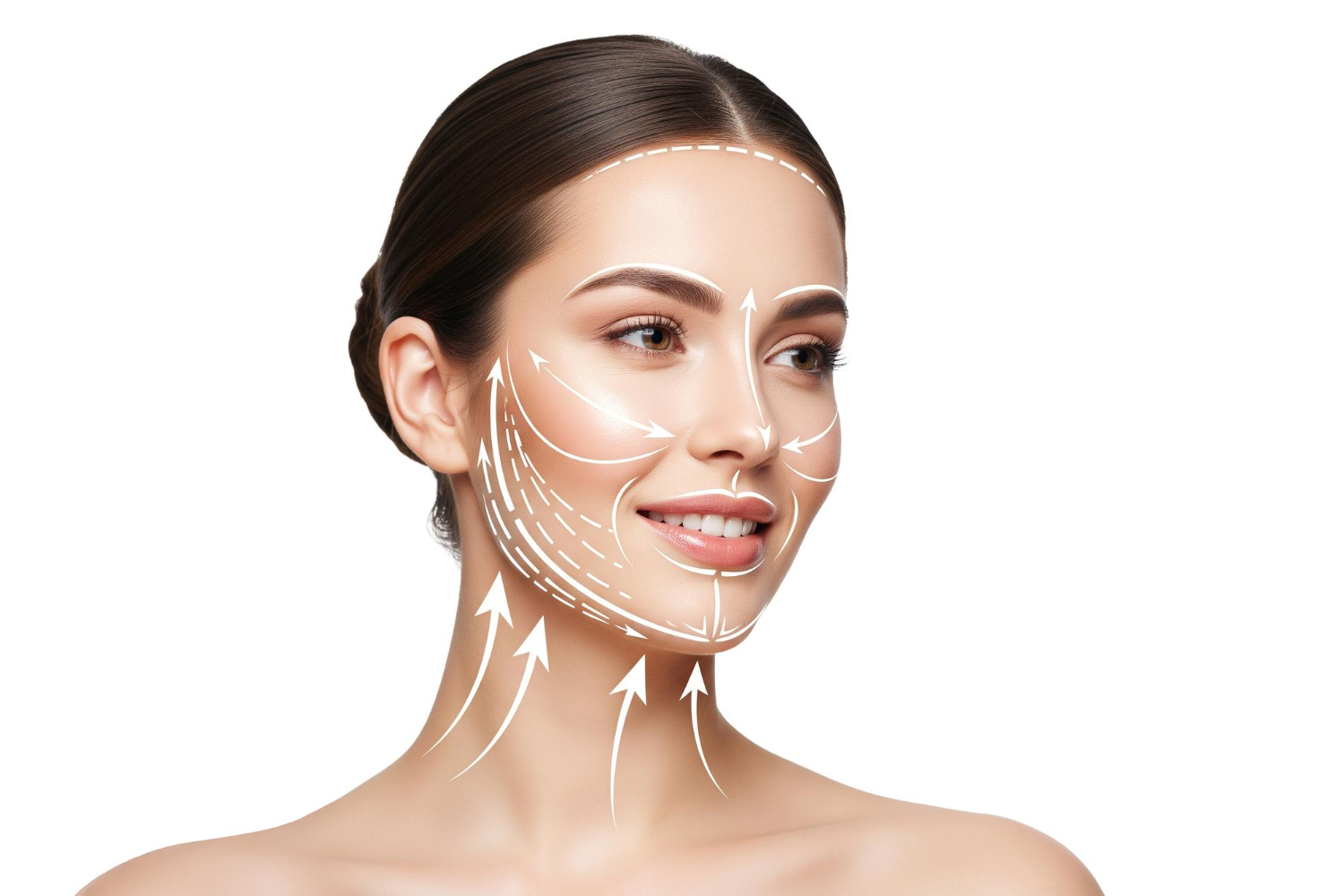
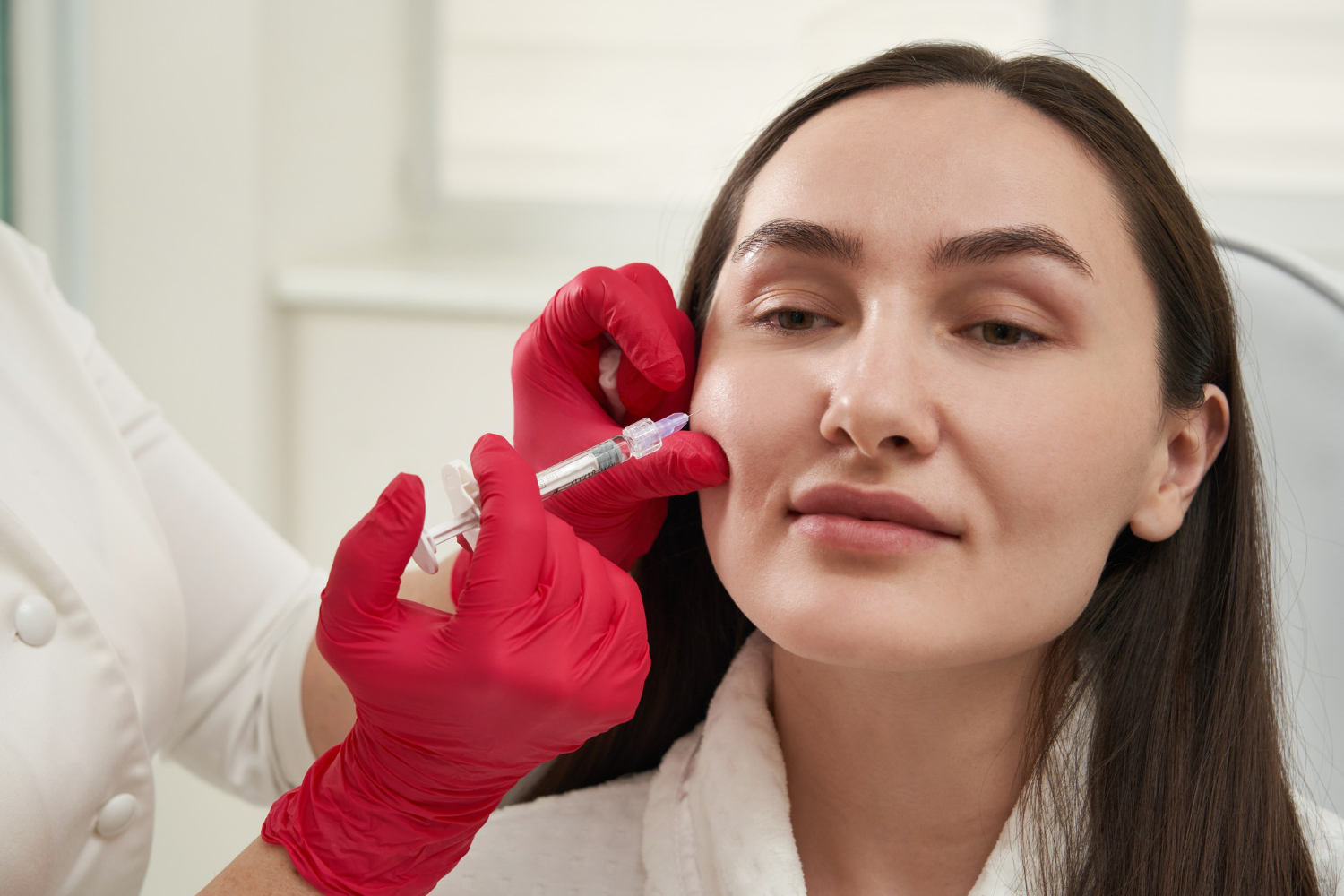
Gel-like materials called dermal fillers are injected under the skin to repair wrinkles, enhance plumpness, and define bone structure. There is a dermal filler that is specifically made to improve your lips, reduce nasolabial folds, or revitalize dull skin.
Selecting the appropriate and best dermal fillers in Dubai can help you get long-lasting, natural-looking results and increase your self-confidence. The five most prevalent kinds of dermal fillers, their composition, and the typical situations in which they are selected will all be covered in this article.
Types of Dermal Fillers
#1 Hyaluronic acid
Hyaluronic acid has a well-established reputation as a dependable and adaptable dermal filler. These dermal fillers Dubai are composed of the same fluid that envelops our skin and joints. More volume and fewer wrinkles are the outcomes of this filler’s injections. Hyaluronic acid may be especially helpful in the following circumstances:
- Worry lines, or furrows on the forehead
- Cheek indentations
- Defining the shape of the lips
- Numerous scars, such as those from traumas, burns, and acne
- Crow’s feet around the eyes
- Lines of frown between the eyebrows
- Marionette lines at the corner of the mouth
- Smoker’s lines are vertical lines on the lips.
Because hyaluronic acid is non-permanent, it will eventually degrade and must be reapplied to maintain the desired appearance. Nevertheless, the average shelf life of this dermal fillers treatment in Dubai is six to twelve months.
#2 Polyalkylimide
Polyalkylimide is another popular kind of dermal filler that the best dermal fillers doctors in Dubai often utilize. It is a semi-permanent choice. Its biocompatibility, which enables it to integrate well with human tissue and produce few to no negative responses, is the reason for its appeal. Polyalkylimide is frequently utilized for:
- Take care of noticeable wrinkles such as sunken scars or nasolabial folds.
- Give thin lips more fullness
- Dermal fillers before and after shows that it restores the volume of the face that has diminished with age by defining and highlighting the jawline and cheekbones.
Polyalkylimide’s attraction is further enhanced by the fact that it is radio-transparent, meaning it has no effect on X-ray testing or findings.
#3 Calcium hydroxylapatite
One of the most researched dermal fillers in the world is calcium hydroxylapatite (CaHA). It is a naturally occurring substance that resembles a mineral in human bones. However, calcium hydroxylapatite is made biosynthetically for use as a dermal filler. This reduces the possibility of allergic responses because no animals or animal products are utilized.
CaHA has been a dependable choice for the following for more than 20 years:
- Noticeable wrinkles, such as furrows on the forehead, puppet lines, and smile lines
- Giving the cheeks and other facial features more volume
- Restoring volume to parts of the face that are thinning
#4 Polylactic acid
A synthetic filler called polylactic acid is injected into the face to encourage the body to create its own collagen. Because they are collagen stimulants, the benefits of injectable dermal fillers take months to manifest. Having stated that, polylactic acid has been utilized for more than 40 years to:
- Smooth out volume loss caused by facial expressions and aging.
- Thin, plump lips
- Handle deep nasolabial folds.
It’s also crucial to remember that, despite its durability, polylactic acid is semi-permanent, so touch-ups can eventually be required.
#5 Polymethyl-methacrylate microspheres (PMMA)
Lastly, PMMA, or polymethyl methacrylate, a synthetic polymer derived from methyl methacrylate monomers, ranks fifth on our list of the most often used dermal fillers. Because of its strength and biocompatibility, this adaptable material may be used in a wide range of cosmetic and medical applications.
The improved durability of PMMA as a filler is what many patients find appealing. This filler can endure for years even if it dissolves. PMMA is most frequently used for:
- Therapy for medium-to-deep wrinkles
- Makes scars from acne and other indentations seem better.
- Used to give thin lips more fullness.
- Provides a more long-lasting solution than fillers like hyaluronic acid or collagen.
Step into Confidence with an Ideal Dermal Filler Treatment
You may select the dermal filler that best meets your demands by learning about the special advantages and applications of the most popular varieties. Each choice provides a technique to revitalize your looks, whether you’re looking for a short-term boost with hyaluronic acid or a longer-lasting remedy with PMMA.
Visit Hortman Clinics in Dubai if you’re prepared to embrace genuine confidence. During a quick and affordable consultation, our knowledgeable staff can assist you in finding the ideal dermal filler to meet your objectives.
FAQs
What are dermal fillers and how do they work?
Dermal fillers are gel-like substances injected under the skin to restore lost volume, smooth wrinkles, and enhance facial contours. They work by filling in areas that have thinned due to aging or other factors. Results can include fuller lips, smoother skin, and improved facial definition. The treatment is minimally invasive and provides immediate visible improvement in most cases.
What are the most common types of dermal fillers?
The most common dermal fillers include hyaluronic acid, polyalkylimide, calcium hydroxylapatite, polylactic acid, and PMMA. Each type has a different composition and purpose, ranging from temporary hydration-based fillers to long-lasting structural solutions. Hyaluronic acid is the most widely used due to its safety and natural results. Your provider selects the best type based on your skin needs.
How long do dermal fillers last?
The duration depends on the type of filler used and the treatment area. Hyaluronic acid fillers typically last 6 to 12 months, while others, like calcium hydroxylapatite or PMMA, can last much longer. Polylactic acid works gradually by stimulating collagen, with results improving over time. Regular maintenance sessions may be needed to maintain optimal results.
Which areas of the face can be treated with dermal fillers?
Dermal fillers can be used in multiple facial areas, including lips, cheeks, under-eye hollows, nasolabial folds, marionette lines, and jawline. They are also effective for improving scars and restoring volume loss due to aging. Each treatment is customized based on facial structure and aesthetic goals. A qualified practitioner ensures natural-looking enhancement.
Are dermal fillers safe and do they have side effects?
Yes, dermal fillers are generally safe when performed by trained medical professionals. Most side effects are mild and temporary, such as swelling, redness, or bruising at the injection site. Serious complications are rare but can occur if not administered correctly. Choosing an experienced injector is essential for safe treatment and natural results.
What are under eye dermal fillers?
Dermal fillers for under eyes are injectable gel-like treatments used to reduce hollowness, dark shadows, and tired-looking eyes. They are usually made of hyaluronic acid, which naturally occurs in the skin. The filler restores lost volume under the eyes for a smoother, fresher appearance. Results are visible almost immediately after treatment.