


Upper blepharoplasty, or upper eyelid surgery, is an outpatient procedure performed under local anesthesia to remove excess skin, muscle, and fat from the upper eyelids to address sagging. This procedure is performed for cosmetic and rejuvenation purposes and also improves vision.
Skin changes are inevitable as we age. Whether it is fine lines, wrinkles, or sagging skin, these changes become more evident with time. Many people also experience drooping or sagging skin above their upper eyelids, which can become a cosmetic or functional issue and make an upper blepharoplasty necessary.
At Hortman Clinics, one of the top aesthetic and plastic surgery clinics in Dubai, our cosmetic surgeons are board-certified and have extensive experience performing eyelid lifts. In this blog, we cover everything you need to know about an upper blepharoplasty.
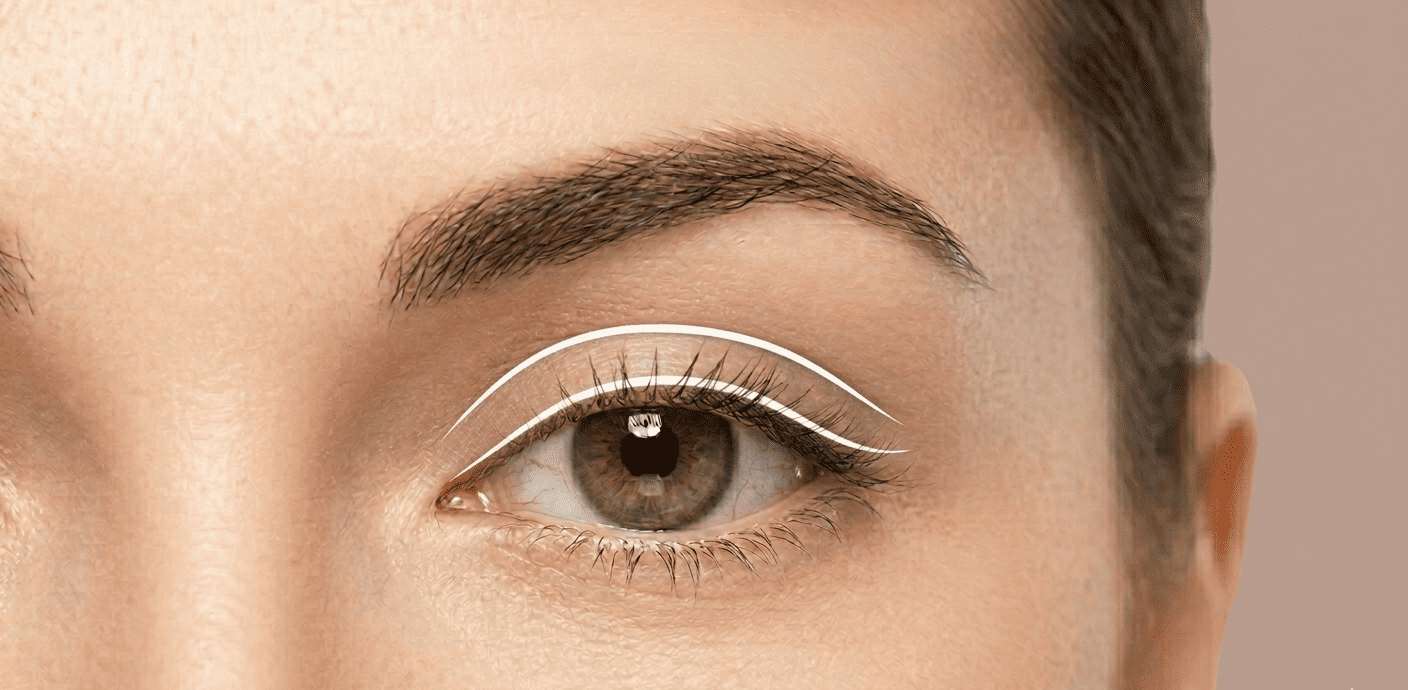
What is an Upper Blepharoplasty?
An upper blepharoplasty is an upper eyelid surgery that is performed for cosmetic or functional reasons when the upper eyelid droops or sags to impact the individual’s appearance or vision.
As the skin ages, it begins to lose elasticity. This, combined with gravity, causes excess skin to collect near the upper and lower eyelids, giving you a droopy appearance. During an upper blepharoplasty, excess skin, fat, and muscles are either repositioned or removed to give you a softer, flatter, and more rejuvenated appearance.
It is important to note that an upper blepharoplasty does not eliminate dark circles around the eye or Crow’s feet. Depending on your skin concerns, your cosmetic surgeon may perform additional facial procedures, such as laser resurfacing or a brow lift, in addition to the upper blepharoplasty.
Who is a Suitable Candidate for an Upper Blepharoplasty Indicated?
An upper blepharoplasty is indicated for several reasons:
- Heavy, drooping upper eyelids that give you a tired or aged appearance
- Drooping eyelids that obstruct vision
- Difficulty in applying makeup due to excessive skin folds over the eyelid crease
- Forehead fatigue due to frequent raising of eyebrows to compensate for heavy upper eyelids
- Visible asymmetry between the upper eyelids when compared with the lower eyelids
The most suitable candidates for an upper blepharoplasty are usually over 30 years old, in good health, and with no other eye issues.
If you are seeking an upper blepharoplasty, remember to tell your doctor if you have any of the following conditions:
- Eye diseases like glaucoma, detached retina, or dry eyes
- Thyroid disorders
- Diabetes
- Cardiovascular disease, high blood pressure, or other circulatory disorders
When undergoing any cosmetic procedure, it is important to have realistic expectations about the results. With an upper blepharoplasty, the procedure will improve your appearance, but you should not expect it to change your appearance drastically. Discuss your expectations, treatment goals, and skin concerns with your cosmetic surgeon during your consultation.
What Happens During an Upper Blepharoplasty?
Patients who opt for an upper blepharoplasty complain of drooping, sagging, or tired-looking eyelids that interfere with their confidence and daily activities.
Before determining your suitability and fitness for an upper blepharoplasty, our expert surgeons at Hortman Clinics, the award-winning aesthetic clinic for beauty treatments in Dubai, take a complete medical and ophthalmic history as they want to know about:
- How your drooping eyelids are impacting your daily activities
- History of previous eye conditions or surgeries
- Systemic conditions that may affect the outcome of the surgery, such as diabetes, rheumatic conditions, and collagen vascular diseases
- History of prior cosmetic surgeries
- Dry eye symptoms and treatments
- Complete list of medications, including blood thinners and other herbal supplements
- History of alcohol use and tobacco consumption
What is the Difference Between a Functional and Cosmetic Blepharoplasty?
Depending on the reason for performing a blepharoplasty, the procedure can be of two types:
- Functional
- Cosmetic
A functional blepharoplasty is performed when excess upper eyelid skin obstructs your vision, making it difficult to read, drive, and perform most daily activities.
A cosmetic blepharoplasty is performed to rejuvenate the appearance of your eyes by eliminating hooding and restoring a well-defined eyelid crease.
In many cases, an upper blepharoplasty is done to restore both appearance and function. Around 30% of upper blepharoplasty procedures are functional, whereas around 70% are performed for cosmetic reasons.
What are the Benefits of an Upper Blepharoplasty?
An upper blepharoplasty offers several benefits, making it a popular outpatient cosmetic and rejuvenating procedure. These include:
Restores peripheral vision
In people where the overhanging eyelid skin obstructs their visual and lateral fields, an upper blepharoplasty improves their ability to see, making activities like reading, driving, and navigating stairs easier and safer.
Gives you a naturally refreshed appearance
Excessively drooping or sagging upper eyelids create a tired, fatigued look. An upper blepharoplasty restores your eyelid crease, giving you a clean, refreshed appearance that looks natural.
Relieves forehead fatigue
Many people with heavy, drooping upper eyelids subconsciously raise their eyebrows throughout the day to keep the excess skin out of their vision—this results in constant muscle effort, leading to forehead fatigue and frequent headaches. By removing the excessively hanging skin with an upper blepharoplasty, the individual is relieved of their forehead strain.
Delivers long-lasting improvement
The results of an upper blepharoplasty typically last around 10 years, or sometimes even longer. With the naturally ongoing aging process, most people enjoy their newly rejuvenated eyelids for a long time before additional intervention may be required.
What to Expect after an Upper Blepharoplasty?
If you are tired of your drooping and hanging upper eyelids and are all set to undergo an upper blepharoplasty at Hortman Clinics, the leading celebrity-favorite clinic in Dubai, here’s what you can expect:
Pre-treatment
The cosmetic surgeon will mark the areas that require correction while you are asked to sit upright. These markings enable the doctor to determine the amount of skin, muscle, and fat that needs to be removed and moved to correct the eyelid crease.
An upper blepharoplasty is usually performed under local anesthesia or with the option of oral or IV sedation. This ensures you are comfortable and do not experience pain throughout the procedure. Anesthetizing the area minimizes bleeding, providing the surgeon with a clean operating field.
During Treatment
The surgeon uses the markings as a guide and makes precise incisions along the eyelid crease. They then remove excess skin, along with a thin strip of orbicularis oris muscle if needed.
If bulging fat pads are contributing to eyelid droopiness, they may also be removed. The incision is closed with sutures within the natural crease of the eyes, ensuring the scars are well-concealed.
After the Procedure
After the upper blepharoplasty procedure is completed, your surgeon will apply an antibiotic medication to the incision sites. They will also provide you with a list of instructions to follow for an uneventful recovery, including the use of a cold compress and head elevation to reduce swelling.
Most people can return home shortly after the procedure with a companion to drive them.
How Soon Will I Recover After an Upper Blepharoplasty?
An upper blepharoplasty is performed in an outpatient setting, which means it is a minor and routine procedure. You should be able to return home just a few hours after the procedure.
Here are a few things to remember after your upper blepharoplasty procedure:
- Avoid strenuous exercise or bending down for the first week
- Do not lift heavy weights in the first week post-surgery
- Avoid eye makeup or drinking alcohol for a few weeks.
- Do not step out in the sun
What Complications Can Occur After an Upper Blepharoplasty?
An upper blepharoplasty is an outpatient surgery, and when performed by trained and experienced cosmetic surgeons, it is absolutely safe. However, as with any surgery, there is a small risk of complications, which may include:
- Bleeding at the site during or after the surgery
- Infection of the surgical site
- Allergic reaction to the equipment, materials, or medications used
- Swelling of the conjunctiva
- Bleeding into the eye socket
- Corneal abrasion
- Double vision
- Cosmetic issues
- Chest infection (more in case of smokers)
Key Takeaway!
Upper blepharoplasty is a safe and effective outpatient eyelid surgery that removes excess skin and fat from the upper eyelids to restore a more youthful appearance while also improving vision affected by drooping eyelids. The procedure offers long-lasting results, enhances facial rejuvenation, relieves forehead strain caused by heavy eyelids, and is ideal for patients seeking both cosmetic and functional improvement.
Our expert cosmetic surgeons will assess your concerns and create a personalized treatment plan tailored to your goals.
Key Takeaway!
What are the common risks of an upper blepharoplasty?
The most common risks or side effects of an upper blepharoplasty include bruising (temporary), swelling, and mild discomfort during the first week after surgery.
Though less likely, other possible risks following an upper blepharoplasty include infection, minor asymmetry, changes in the eyelid sensation, and temporary dryness or irritation in the eyes.
Can an upper blepharoplasty be combined with other procedures?
Yes, it sure can! At Hortman Clinics, an upper blepharoplasty is often combined with a lower blepharoplasty or brow lift to give you a comprehensive enhancement of the eyelid region. Combining procedures reduces time and overall recovery time.
Is an upper blepharoplasty better than non-surgical alternatives?
Non-surgical alternatives to an upper blepharoplasty include procedures such as radiofrequency skin tightening or laser treatments that improve skin quality but cannot address excessively sagging skin. While non-surgical options may be useful for patients with mild eyelid hooding, surgery is the most effective approach for correcting moderate-to-severe eyelid drooping.
How long do the results of an upper blepharoplasty last?
The results of your upper blepharoplasty can last ten years or longer. The removed skin does not grow back, but the aging process continues, leading to new laxity in the eyelid region. You can prolong the results of an upper blepharoplasty by following a healthy lifestyle, using adequate sun protection, and following a consistent skincare routine.
Is an upper blepharoplasty painful?
Since an upper blepharoplasty is performed under anesthesia, it is a virtually painless cosmetic procedure. You may, however, experience some discomfort in the treated area on the day of the procedure, but you will soon feel better.

We are here for you. Always.
Everything we do is tailored to your needs, this is why we take our time to take care of you and answer all your questions.