

Botox Recovery And Healing Stages, Expectations, Follow Up
What to Expect, How to Heal, and When to Follow Up After Botox
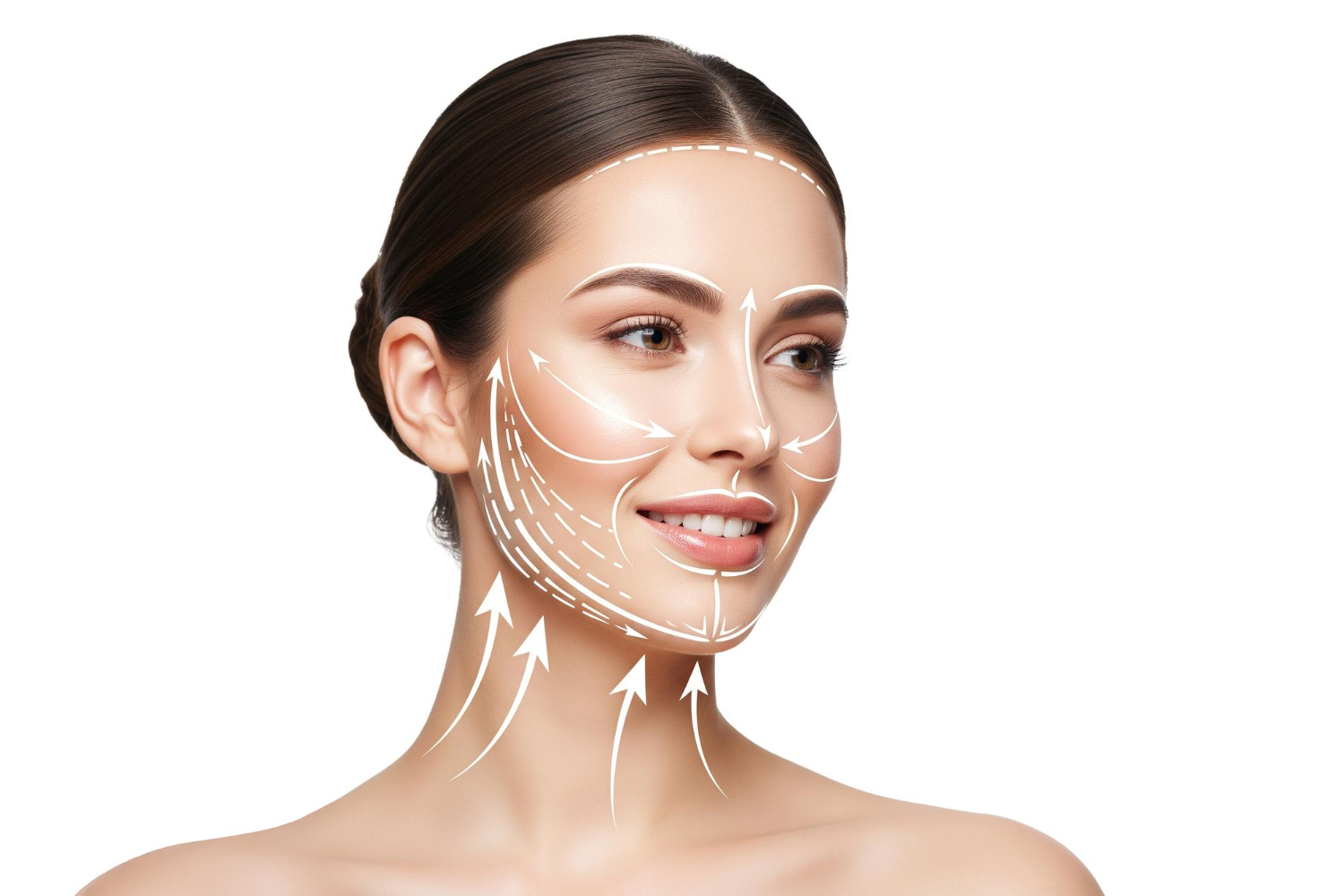
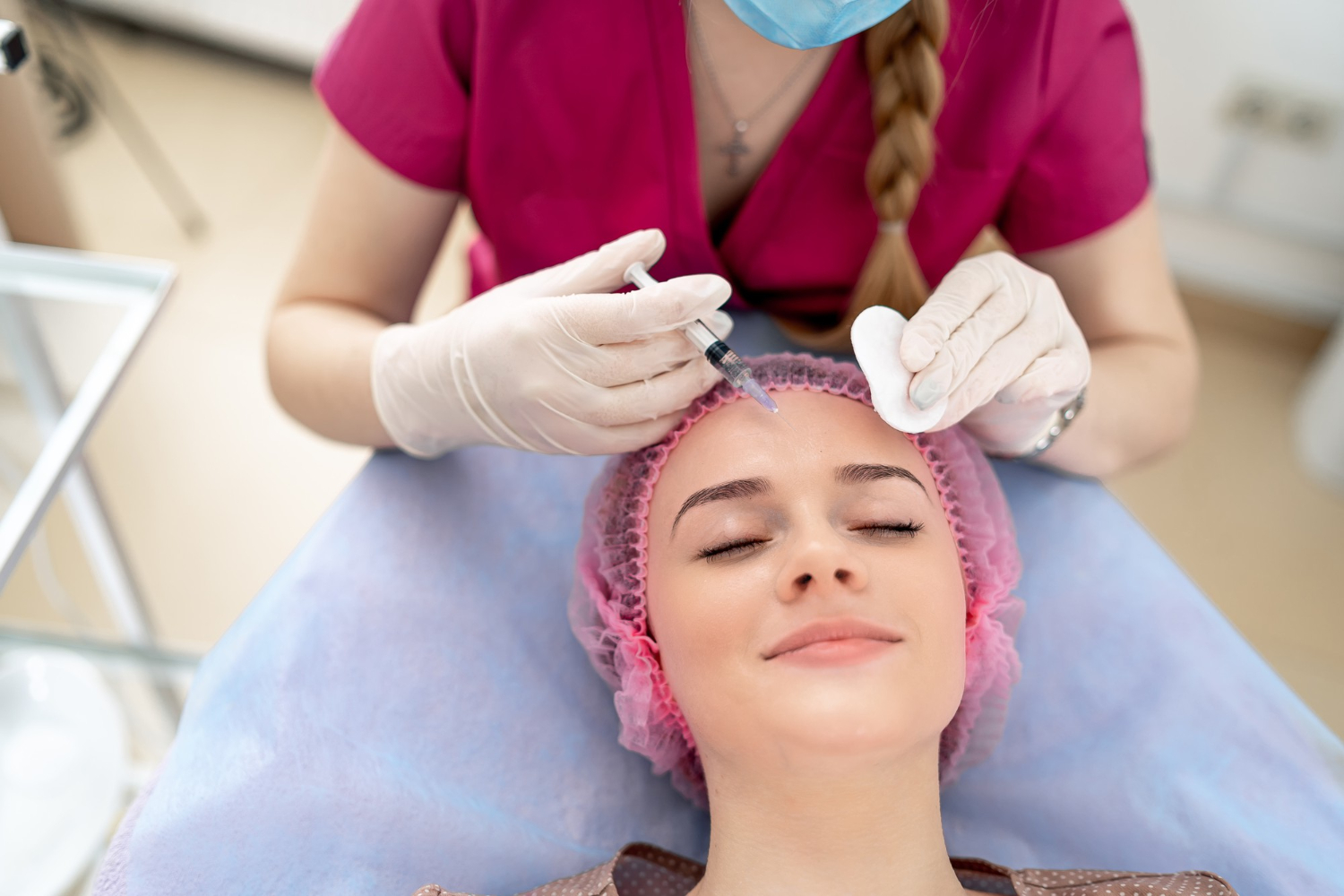
Botox is one of the most popular non-surgical cosmetic procedures accessible today. When performed by a competent and experienced clinician, Botox in Dubai is a safe and efficient approach to smooth fine lines and decrease the appearance of wrinkles. However, attaining the best outcomes does not stop at the injection site; it also requires adequate maintenance and an awareness of the natural healing process.
This guide explains what patients may expect after Botox treatment Dubai, including the average recovery period, frequent side effects, what they should and should not do after treatment, and the factors that impact how long the benefits last. Hortman Clinics team wants to help patients recover smoothly and successfully, with outcomes they can be confident in.
What to Expect Immediately After Botox Treatment (First 24-48 Hours)
It is common to encounter modest side effects within the first day or two of Botox injections. These effects are often transitory and resolve on their own. Patients may have modest redness or swelling at the injection site, as well as minor pain and pinpoint bleeding where the needle penetrated the skin. Light bruising can also develop, especially in locations with a high concentration of blood vessels, such as around the eyes or lips.
Some people have a minor stinging or hurting feeling at the injection site, which often goes away within a few hours after Botox treatment in Dubai. Some people may also develop moderate headaches or flu-like symptoms, such as lethargy or body pains. These usually resolve within 24 to 48 hours.
Adhering to post-procedure recommendations during this period is critical to keeping the Botox in the desired treatment region. Displacing the substance by pressure, movement, or increased blood flow might result in decreased efficacy or unexpected muscle weakening.
To promote healing and achieve the best outcomes from the best Botox Dubai, patients should avoid touching, rubbing, or massaging the treated areas for at least 24 hours. Avoid lying down or reclining for at least 3 to 6 hours after the injection. Maintaining an upright stance helps the Botox to adequately enter the targeted muscles. It is also critical to avoid rigorous exercise, high aerobic activity, and other activities that significantly raise heart rate during the first 24 to 48 hours. Increased circulation may cause the product to move.
During this time, patients should avoid using heat sources such as saunas, hot tubs, or tanning beds since high temperatures might cause edema or interfere with the Botox settling process. If necessary, a clean, cool compress can be gently used to minimize localized swelling or bruising following Botox Dubai.
Unless otherwise directed by a healthcare expert, it is best to avoid alcohol and aspirin or ibuprofen for a few days before and after the Botox injection Dubai. These drugs may enhance the likelihood of bruising. When cleaning their faces, patients should use a gentle cleanser and avoid applying pressure to the treated regions.
Facial movement should be natural. Some doctors may advocate gently moving the treated muscles in the first hour (e.g., lifting brows or smiling) to assist the Botox in integrating into the muscle, while others advise against dramatic emotions. The safest strategy prescribed by the Botox clinic Dubai is to allow regular facial emotions but prevent extremely dramatic gestures.
The Botox Timeline: When Results Will Become Visible
Botox takes time to work, unlike dermal fillers, which can produce rapid improvements. Botulinum toxin acts by preventing communication between neurons and targeted muscles, resulting in decreased muscular action and smoothing of the skin.
Most people will not notice any significant changes in the first 1 to 3 days after the best Botox in Dubai is administered. This is typical and does not mean that the therapy was ineffective. Early effects, such as softening of lines or reduced muscular action, may emerge on day 4 or 5.
By the conclusion of the first week, several patients have reported noticeable changes. Fine lines and wrinkles in treated regions are often reduced, and the skin appears smoother and more rested. Botox’s full action typically occurs between days 10 and 14.
Patients should understand that this schedule is based on the body’s normal biological processes. As a consequence, depending on individual circumstances, outcomes may occur somewhat sooner or later. If patients observe asymmetry or a lack of improvement in certain regions after two weeks, they should contact their clinician to determine whether a follow-up treatment is necessary.
Common Side Effects of Botox and How to Manage Them
While Botox is generally regarded as safe when administered appropriately at the best Botox clinic in Dubai, it is critical to recognize and understand common side effects and their timelines for resolution. The table below describes typical experiences and how to manage them:
|
Side Effect |
Expected |
Recommended Management |
|
Redness or swelling |
24 to 48 hours |
Apply a cold compress and consider an antihistamine |
|
Bruising |
Several days to 1 week |
Apply cold compresses; avoid alcohol and blood thinners. |
|
Tenderness or discomfort |
Several hours to a day |
Use a cold compress and acetaminophen (Tylenol) as required. |
|
Headache |
24-48 hours |
Rest, hydrate, and take Tylenol as required. |
|
Flu-like symptoms |
1 to 2 days |
Rest and stay hydrated. |
|
Drooping eyelid (ptosis) |
Weeks to months |
Seek medical care; you may require ophthalmic drops. |
|
Facial asymmetry |
Variable |
Contact the provider for reassessment. |
|
Dry skin or dry eyes |
Variable |
Use mild moisturizers or lubricating eye drops. |
Dry skin, tingling, and minor muscular weakness near the injection site are frequent side effects that usually disappear on their own. More serious adverse effects, including considerable facial asymmetry or drooping, are frequently technique-dependent, emphasizing the significance of using a highly experienced injector.
Best Practices for Botox Aftercare
Following aftercare recommendations is crucial for maintaining your results and avoiding issues.
Recommended Actions After Botox
- Remain upright for at least 3 to 6 hours after injection.
- Sleep with your head slightly raised for the first night.
- If needed, gently use a cold compress to minimize swelling.
- Use mild cleansers and skincare for the first 24 hours.
- When spending time outside, stay hydrated and use sunscreen to protect your skin.
- Use natural facial movements to avoid stressing treatment muscles.
Activities to Avoid After Botox
- Avoid rubbing, massaging, or applying pressure to the treated areas.
- For the next 24 to 48 hours, avoid rigorous exertion, hot settings, and excessive heat exposure.
- Unless medically necessary, avoid drinking alcohol and using blood thinners.
- Do not apply makeup or have face treatments for at least 24 hours after the injection.
- Avoid making excessive facial expressions, which might strain the muscles.
The purpose of these measures is to keep Botox from migrating outside of the targeted muscle groups. Activities that enhance blood flow, heat exposure, or muscular activity may undermine the intended results.
Understanding Botox Longevity and Influencing Factors
Botox treatments have only brief benefits. Most people notice obvious improvement after three to four months; however, some may see effects for up to six months. Several factors determine the duration of the effects, including:
- Metabolism: A quicker metabolism may break down Botox more quickly, reducing its effectiveness.
- Level of physical activity: People who exercise often and at a high intensity may have shorter-term improvements.
- Dosage and treatment area: Larger or stronger muscles require more units, and Botox may be metabolized more quickly. Forehead and glabellar lines tend to endure longer than smaller locations like crow’s feet.
- Muscle strength: People with inherently strong face muscles may need more frequent treatments.
- Consistency: Regular Botox users may notice that the benefits remain longer as their muscles weaken with time.
- Injector expertise: The provider’s competence, accuracy, and experience all have a substantial influence on the outcomes.
It’s recommended that patients schedule maintenance consultations every 3 to 4 months to ensure consistent outcomes and treat any recurring movement or expression lines early.
When to Contact Your Botox Provider
Although adverse effects are uncommon, patients should call their physician or seek emergency medical attention if they develop any of the following symptoms:
- Having difficulty breathing or swallowing.
- Generalized muscular weakness outside the treatment region.
- Vision alterations, such as double or blurred vision.
- Slurred speech, hoarseness
- Severe allergic reactions (rash, edema, shortness of breath)
- Sudden onset of neck spasms or loss of bladder control
These symptoms may suggest an aberrant response or spread of the neurotoxin, necessitating quick medical attention.
Conclusions
Botox recovery is often uncomplicated, with the majority of adverse effects vanishing shortly. While complete effects may take up to two weeks to manifest, proper maintenance and patience will provide the greatest potential outcome. Understanding how Botox works, following correct standards, and choosing a respected medical professional are critical for attaining natural, long-lasting results.
If you have any questions or concerns after your treatment, are searching for a Botox clinic near me, or if you want to make a follow-up consultation, please schedule a Botox consultation with Hortman Clinics in Dubai.
FAQs
What should you expect immediately after Botox treatment?
It is normal to experience mild redness, swelling, tenderness, or pinpoint bleeding around the injection sites during the first 24 to 48 hours. Some people may also notice minor bruising, particularly around areas with more blood vessels. A mild stinging sensation, headache, or flu-like symptoms can occasionally occur. These effects are generally temporary and usually resolve on their own. A cool compress can be used to help reduce local swelling or bruising when needed.
When will Botox results become visible?
Botox does not usually produce its full effect immediately after treatment. Most people notice little or no significant change during the first one to three days. Early improvements may begin to appear around the fourth or fifth day after treatment. By the end of the first week, treated lines may appear softer, and the skin may look smoother. The full effect of Botox typically develops between 10 and 14 days, although the exact timeline can vary between individuals.
What should you avoid after Botox treatment?
After Botox, avoid rubbing, massaging, or applying pressure to the treated areas for at least 24 hours. It is also recommended to remain upright for around three to six hours following the injections. Rigorous exercise, excessive heat, saunas, hot tubs, and tanning beds should generally be avoided during the first 24 to 48 hours. Alcohol and blood-thinning medicines may increase the risk of bruising. Following these precautions can help keep Botox within the intended treatment areas.
How long do Botox results usually last?
Botox provides temporary results, with noticeable improvements commonly lasting around three to four months. Some people may continue to experience effects for up to six months. The duration can vary according to factors such as metabolism, physical activity, muscle strength, dosage, and the treatment area. People with stronger facial muscles may require more frequent treatments to maintain their results. The experience and precision of the injector can also influence treatment outcomes.
When should you contact your Botox provider?
Most Botox side effects are mild and temporary, but certain symptoms require prompt medical attention. Contact your provider if you experience significant facial asymmetry or persistent concerns after treatment. Difficulty breathing or swallowing, generalised muscle weakness, blurred or double vision, slurred speech, or hoarseness can require urgent medical attention. Severe allergic reactions involving a rash, swelling, or shortness of breath also require immediate care. If unusual or severe symptoms develop after Botox, seek appropriate medical assistance without delay.