


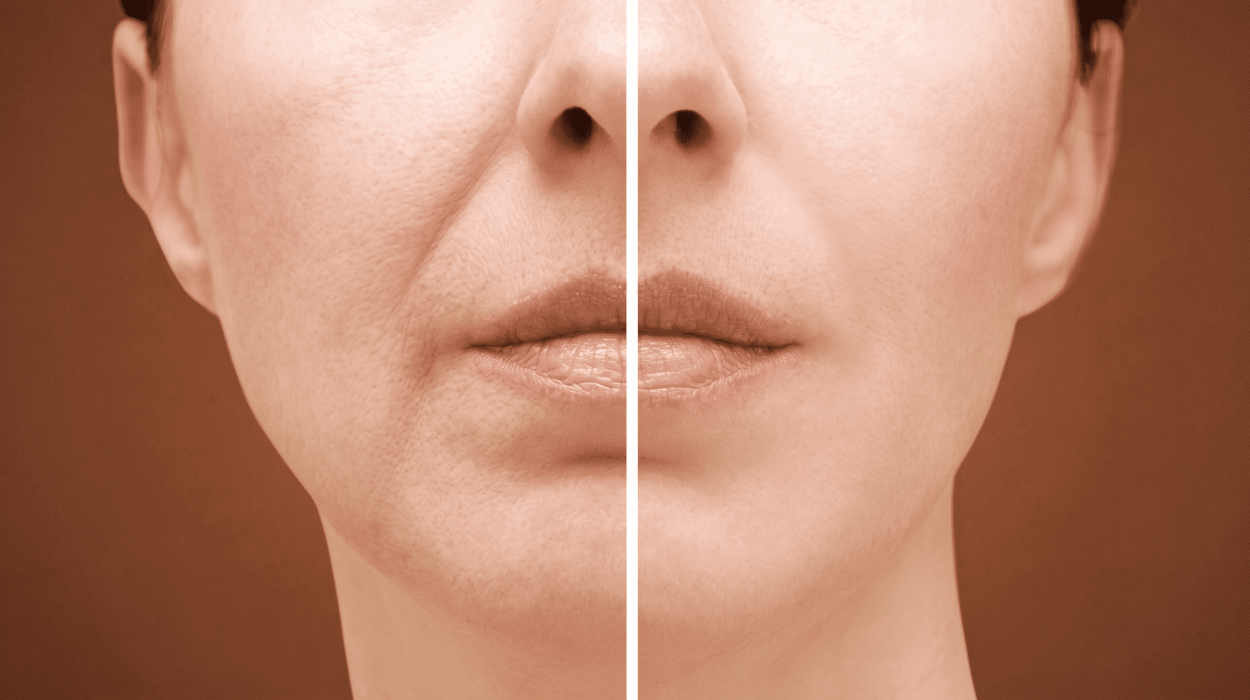
Q-Switch laser is a dermatological laser technology that uses very short, high-energy pulses to target specific pigment-containing structures. Q-switched Nd systems commonly use 1064 nm and 532 nm wavelengths, which can be selected based on the pigment, treatment indication, and target depth.
These lasers are commonly used for tattoo removal and selected pigmentary concerns. However, treatment is not appropriate for every type of pigmentation. Conditions such as melasma, post-inflammatory hyperpigmentation, freckles, and lentigines have different causes and may respond differently to laser treatment.
At Hortman Clinics in Dubai, we determine treatment suitability after assessing the pigmentation, skin phototype, treatment area, previous treatments, and the risk of pigmentary complications. The wavelength, laser settings, number of sessions, and treatment intervals are individualized according to the clinical indication.
Let’s explore more about the Q-Switch laser, how it works, what it treats, and more in this blog.
What is a Q-Switch Laser?
A Q-Switch laser delivers extremely short pulses of high-energy light. The short pulse duration lets the laser target and penetrate pigment-containing structures with high peak energy while reducing heat transfer to surrounding tissue.
One of the most commonly used Q-switched systems in dermatology is the Q-switched Nd: YAG laser, which operates at 1064 nm and 532 nm. These wavelengths have different tissue penetration and absorption characteristics and may therefore be selected for different pigmentation concerns.
- The 1064 nm wavelength penetrates more deeply and has been widely studied for dermal pigmentation and selected pigmentary disorders.
- The 532 nm wavelength is more superficial and may be used for certain epidermal pigment targets.
Q-Switch lasers are widely used for tattoo removal because they fragment tattoo pigment particles, which the body gradually clears. Different tattoo colors respond differently depending on the wavelength and pigment involved.
How Does Q-Switch Laser Treatment Work?
Q-Switch laser treatment works on the principles of selective photothermolysis, combined with photomechanical effects. Here’s how it works!
- The laser delivers energy to a selected pigment target.
- Because the pulse is extremely short, the laser concentrates energy within the target area before heat spreads into surrounding tissue.
- For tattoo pigment, very short, high-energy pulses can fragment pigment particles.
For some pigmentation concerns, Q-Switch Nd: YAG lasers have been used because the 1064 nm wavelength can penetrate deeper into the skin. However, the response depends strongly on the underlying diagnosis.
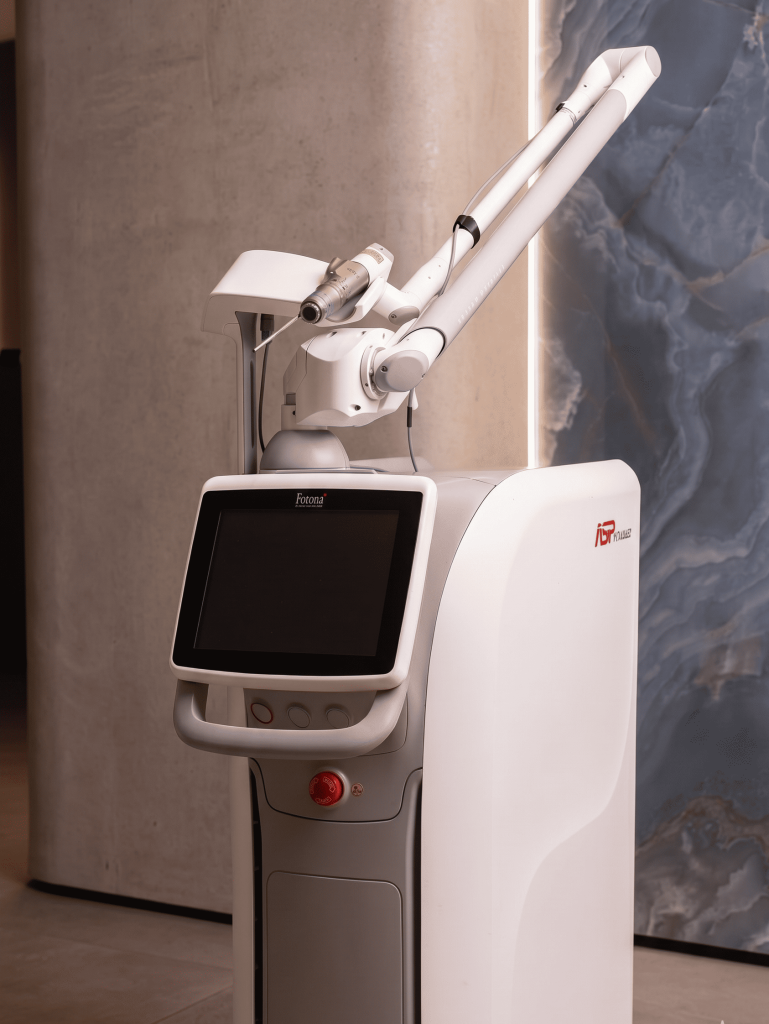
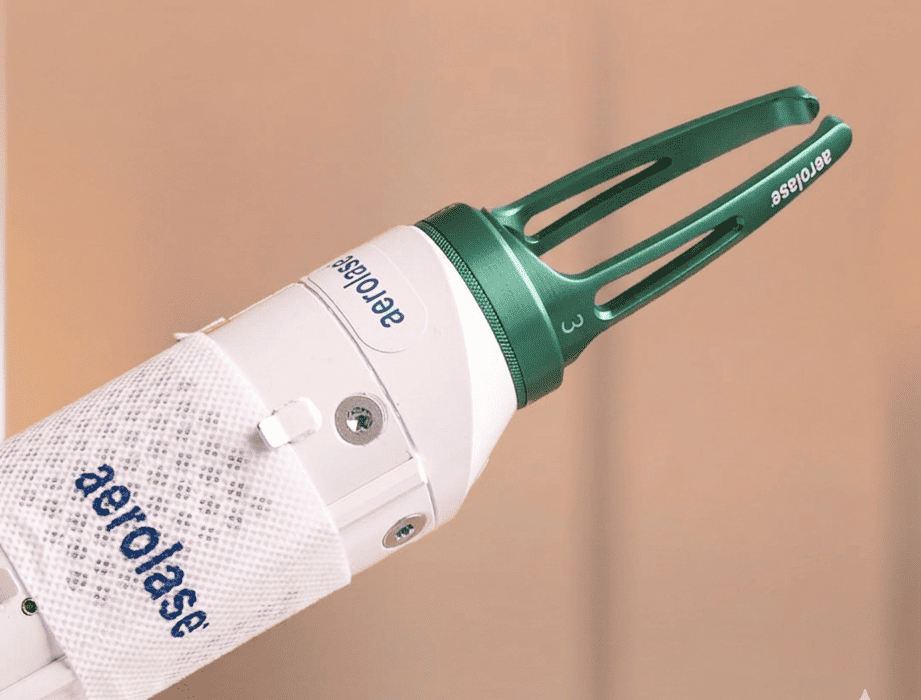
Advanced Fotona StarWalker with Q-Switch Technology at Hortman Clinics
At Hortman Clinics, we use the advanced Fotona StarWalker Q-Switch laser, which offers broader capabilities than many conventional Q-switched laser systems. StarWalker combines high-energy Q-switched technology with advanced pulse control and multiple treatment modes, providing precise and controlled energy delivery.
Its 1064 nm and 532 nm wavelengths allow practitioners to target pigment at different depths, while specialized modes expand its applications across a range of pigmentation concerns. The Q-switched Nd 1064 nm wavelength can also target melanin within the hair shaft, making the technology suitable for laser hair bleaching, where appropriate. This versatility allows the StarWalker platform to support both pigmentation treatments and hair bleaching procedures within a single advanced laser system.
What are the Benefits of Q-Switch Laser Treatment?
Q-Switch lasers offer several benefits, making them a preferred choice for managing pigmentation-related skin concerns. These include:
- No surgical incision required
- Can target selected pigments without treating the entire skin surface
- Different wavelengths can be selected for different pigment targets
- Often performed as an outpatient procedure
- Treatment can be individualized according to skin phototype and indication
- Downtime is often limited for appropriately selected treatments, although temporary redness, swelling, or pigmentary changes may occur.
The potential benefits, however, depend on the condition being treated and the patient's skin characteristics.
What Skin Concerns Can Q-Switch Laser Treat?
Q-Switch lasers have been extensively studied for their effect on several pigmentation-related skin concerns. At Hortman Clinics, a Q-Switch laser may be used to treat the following:
One of the most common applications for Q-Switch lasers is tattoo removal. It usually requires multiple treatment sessions because pigment is progressively fragmented and cleared rather than removed in a single procedure.
Different wavelengths are selected according to the color and characteristics of the tattoo pigment. Q-switched lasers have been found to be effective and generally safe. However, picosecond lasers may have advantages for some blue, green, and yellow pigments.
Q-switched Nd: YAG lasers target certain forms of unwanted pigmentation. Depending on the diagnosis, treatment may aim to reduce the appearance of excess melanin and create a more even skin tone.
However, pigmentation is not one condition. Freckles, lentigines, post-inflammatory hyperpigmentation, melasma, and dermal melanocytosis have different biological mechanisms and may respond differently to laser treatment.
Q-switched Nd: YAG lasers have been studied for post-inflammatory hyperpigmentation, including in Asian populations. However, response and the risk of treatment-related pigmentary change vary according to the underlying cause, skin phototype, and treatment parameters.
Q-switched laser is not usually considered a first-line standalone treatment for melasma. In selected patients, particularly when melasma resists conventional management, it may be considered as an adjunctive treatment after dermatological assessment and counseling.
When may Q-Switch Laser Not be Appropriate?
Q-Switch laser may not be appropriate for every patient or every pigmented lesion. Suitability depends on the diagnosis, active skin inflammation, infection, recent tanning, previous reactions to laser treatment, medications, pregnancy, or other individual clinical factors where relevant. A clinician should assess the patient's medical and skin history before treatment.
What are the Side Effects and Risks of Q-Switch Lasers?
Like any laser procedure, Q-Switch laser treatment can produce temporary skin reactions in some people. Depending on the treatment and individual response, these may include:
- Redness
- Swelling
- Temporary darkening or lightening of the treated area
- Changes in pigmentation
More significant pigmentary complications can occur, particularly when inappropriate settings are used or when the skin develops inflammation after treatment. For this reason, laser treatment should be performed following appropriate assessment and with realistic expectations regarding both benefits and risks.
How Many Sessions are Needed?
The number of Q-Switch laser therapy sessions you require depends on your diagnosis, depth and type of pigmentation, skin type, treatment area, laser wavelength, treatment settings, and individual response. Tattoo removal generally requires multiple sessions because pigment clearance occurs progressively.
Studies have shown that treatment intervals and session numbers vary substantially according to tattoo characteristics and treatment protocols.
What Happens During a Q-Switch Laser Consultation at Hortman Clinics?
Laser consultation at Hortman Clinics is performed by experienced and DHA-licensed laser therapists who begin with an assessment of your skin pigmentation or other concern. At Hortman Clinics, Q-Switch laser treatment is approached as a medically guided aesthetic procedure rather than a one-size-fits-all cosmetic treatment.
The laser therapist or healthcare professional will typically assess:
- The type and distribution of pigmentation
- Skin phototype
- Previous acne, inflammation, or procedures
- Current skincare and medications
- History of hyperpigmentation or hypopigmentation
- Previous laser treatments
- Sun exposure and photoprotection
- The expected benefits and possible risks of treatment
In some cases, additional examination or investigation may be appropriate before proceeding. Once the clinician has established the diagnosis, they can determine whether Q-Switch laser is appropriate for you and, if so, which wavelength and treatment approach they should consider.
To learn more about Q-Switch laser treatment in Dubai, schedule a consultation with the clinical team at Hortman Clinics.
Takeaway!
Q-switched lasers are established laser technologies used for selected pigmentary conditions and tattoo removal. Their effectiveness depends on the diagnosis, pigment characteristics, skin phototype, laser wavelength, and treatment parameters.
If you are considering Q-Switch laser treatment in Dubai, a clinical assessment can help determine whether it is appropriate for your skin concern and which treatment approach is most suitable.
To learn more, book a consultation with our experienced team of certified laser therapists and clinicians at Hortman Clinics today.
Frequently Asked Questions
Q-Switch lasers have been studied for several pigmentary conditions and tattoo removal, but effectiveness varies by diagnosis, skin type, pigment characteristics, and treatment protocol.
Q-Switch Nd: YAG lasers can be used on darker skin types, but pigmentary complications are possible. This is why laser therapists at Hortman Clinics ensure individualized treatment plans, with careful consideration of skin type, laser settings, and the risk of post-inflammatory pigmentation.
The number of Q-Switch laser sessions depends on the condition being treated. Tattoo removal usually requires multiple sessions, while pigmentation treatment schedules depend on the diagnosis and individual response.
Not always. Some pigmentary conditions, such as melasma, can recur even after successful Q-Switch laser treatment. Long-term outcomes following these lasers depend on the underlying cause and ongoing management.
Q-Switch laser may be used in select cases of melasma, but the condition may recur.
Q-switched laser treatment may cause a brief stinging, snapping, or pinching sensation. The level of discomfort varies according to the treatment area, laser settings, and individual sensitivity. Your clinician may use appropriate cooling or other comfort measures depending on the procedure.
Q-Switch lasers are not the same as picosecond lasers, even though both use short pulses of energy. Q-switched systems operate in the nanosecond range, while picosecond systems use shorter pulses, so they work for different types of pigment conditions.
When choosing a laser system, skin type is an important consideration. People with darker skin tones are more susceptible to pigmentary complications after some laser procedures, including post-inflammatory hyperpigmentation. For patients in Dubai, where a wide range of skin phototypes are represented, Q-Switch laser treatment should be individualized rather than based on a standardized laser setting.
Medical Review & Clinical Accuracy
Medically reviewed by Dr. Karem Harb, General Practitioner and Certified Aesthetic Laser Operator at Hortman Clinics, Dubai.
Dr. Karem has professional training in aesthetic laser procedures and experience in laser- and energy-based treatments, including the management of pigmentation concerns and tattoo removal.
This article has been reviewed for medical accuracy and is informed by current medical evidence, peer-reviewed research, and relevant clinical guidance.
Hortman Clinics periodically reviews and updates its health information as medical evidence, technologies, and clinical recommendations evolve.
Last medically reviewed: September 2026
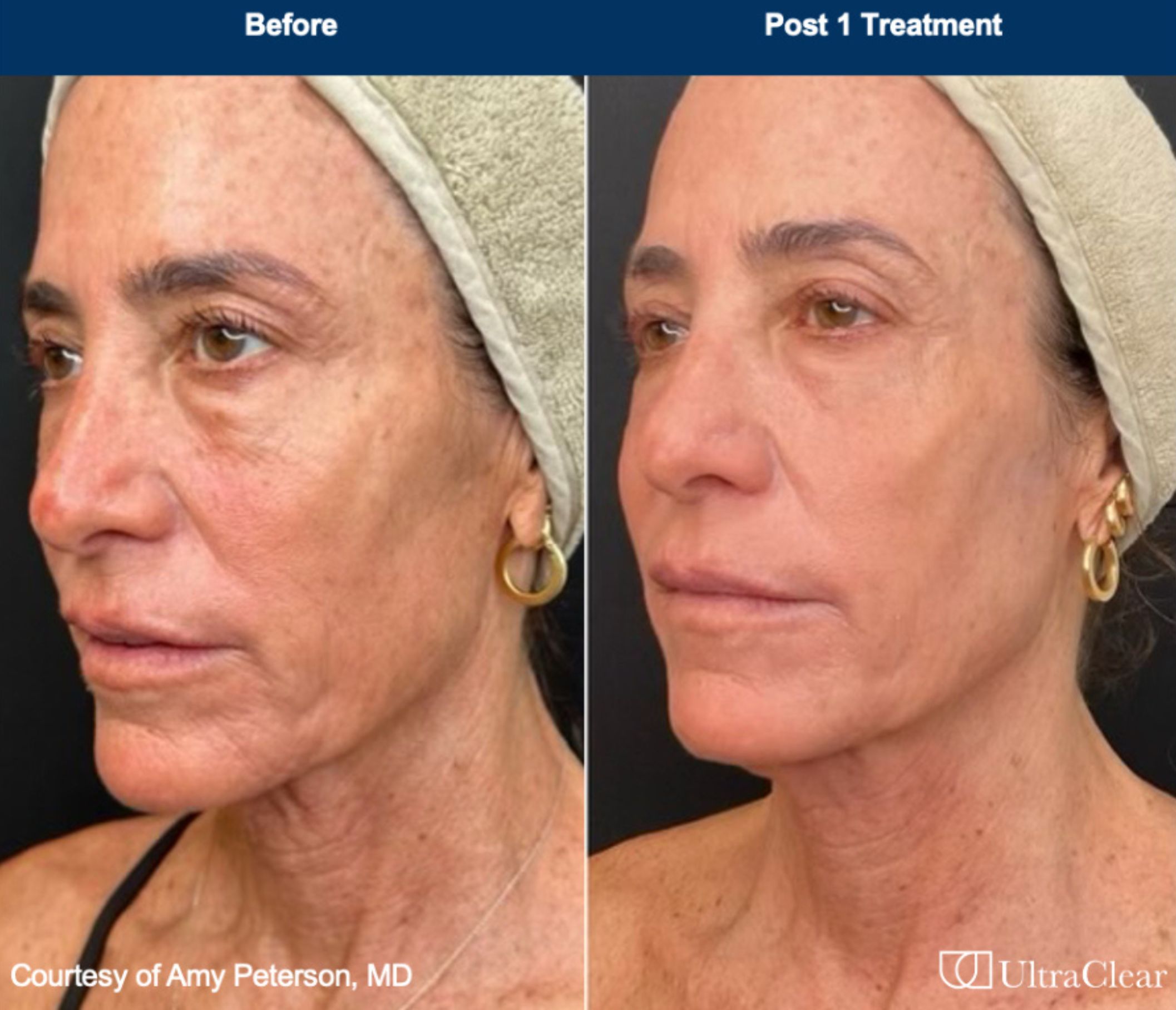
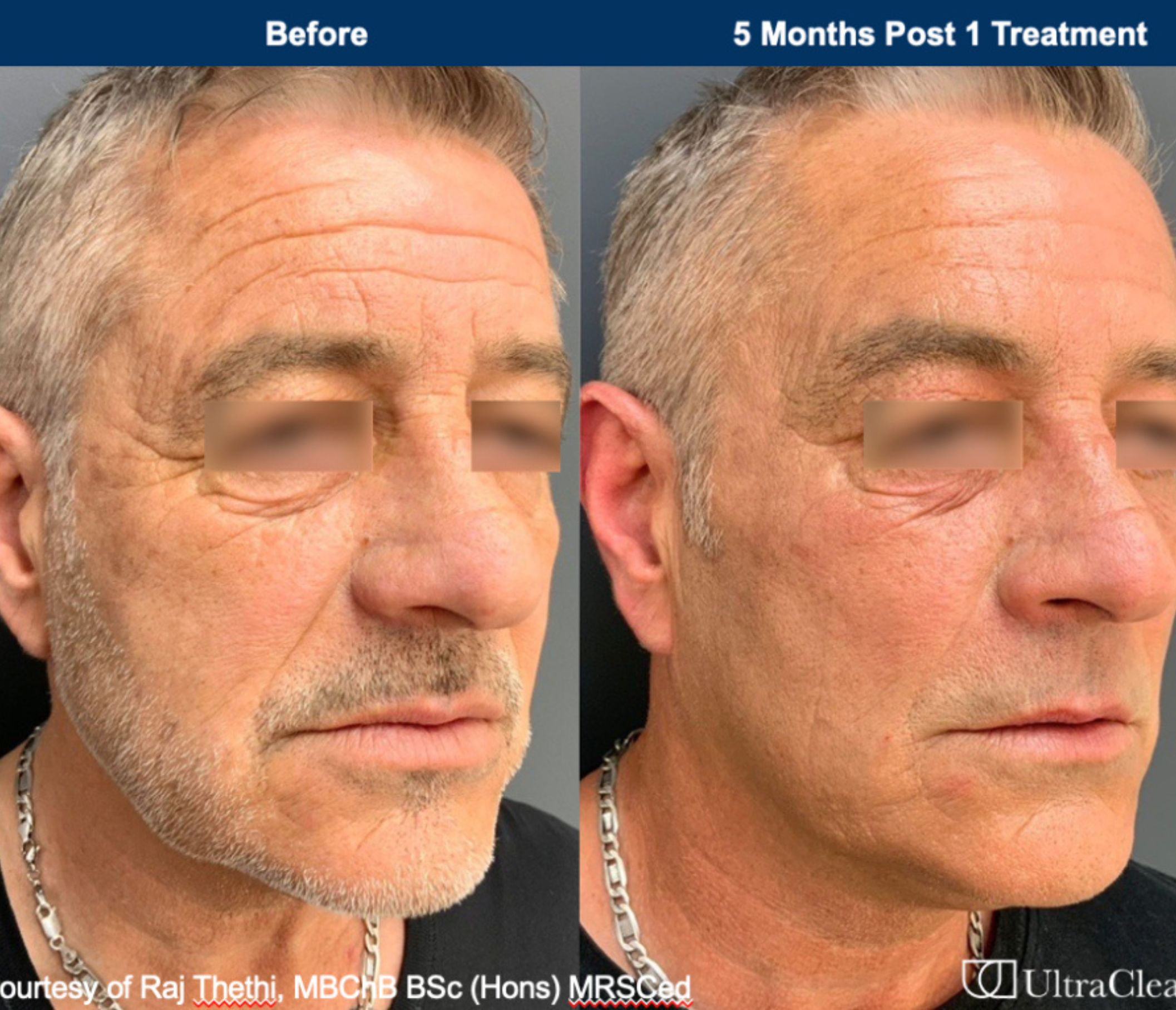
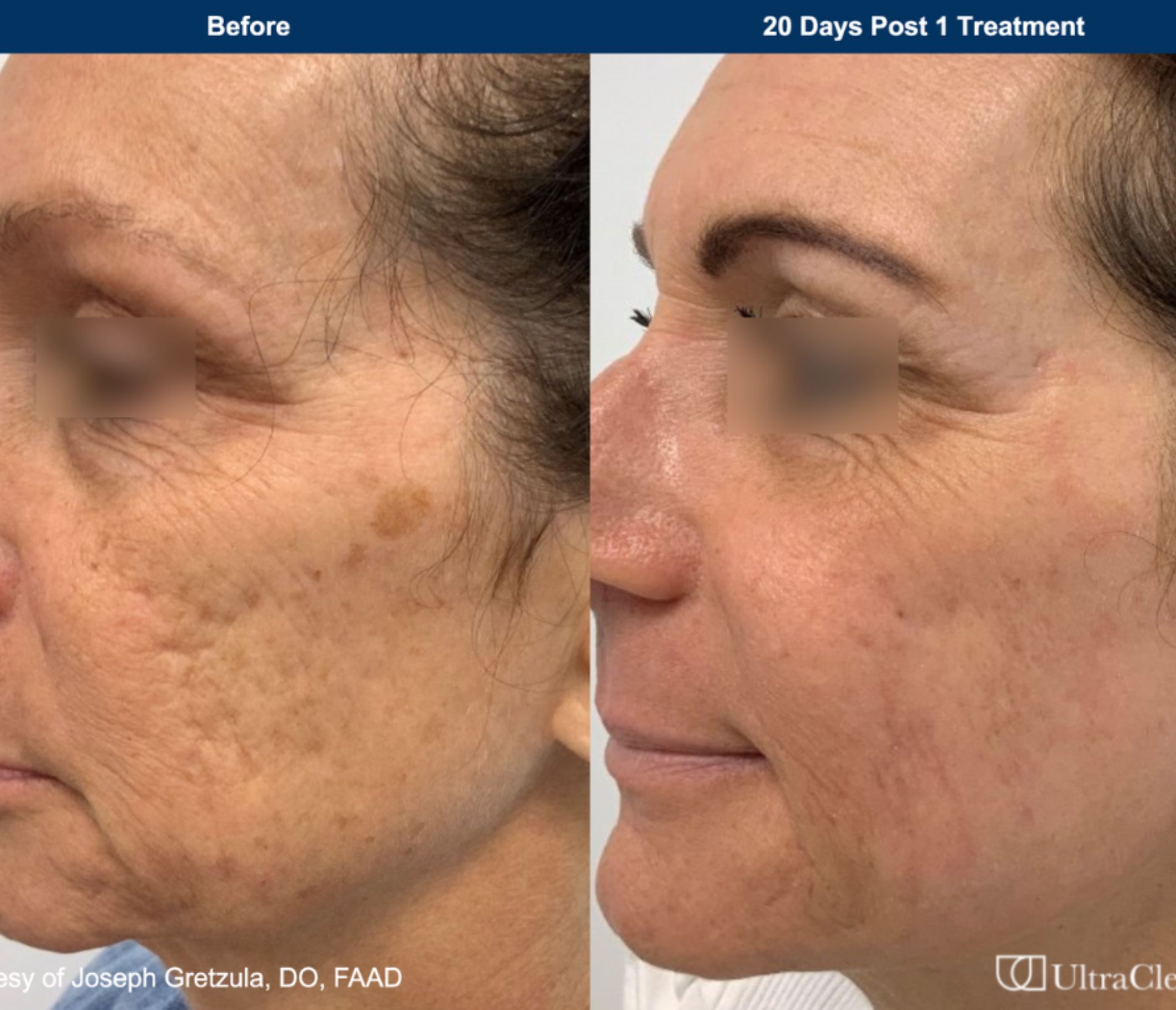
Before and After
Explore real before-and-after results from patients treated at Hortman Clinics. Results vary between patients and may depend on factors including anatomy, skin type, age, medical history, treatment parameters, and individual response. All published patient images are used with appropriate patient consent.
HORTMAN CLINICS NEWS
Related News
We are here for you. Always.
Everything we do is tailored to your needs, this is why we take our time to take care of you and answer all your questions.