

Dermatological Acne Treatments What You Need To Know
Most people have had acne at some time in their lives. It happens when dead skin cells and oil clog the hair follicles beneath the skin. If you are seeking an acne treatment in Dubai, it is important to understand that professional intervention can prevent long-term damage.
Inflammation brought on by this obstruction results in blackheads, whiteheads, pimples, or cysts. Most frequently, the face, back, and chest are impacted. Depending on the quantity and size of pimples, acne can vary in severity.
Types of Acne
Depending on how severe it is, acne is divided into several categories. Finding the best acne treatment Dubai depends entirely on an accurate diagnosis of these stages:
Mild Acne
The face often has a few whiteheads, blackheads, or tiny pimples. The most prevalent and mild kind is this one.
Moderate Acne
More whiteheads, blackheads, blemishes, and pimples that cover bigger regions, including the forehead and cheeks, are indicative of moderate acne. Treatment is necessary at this level.
Severe Acne
The majority of the face and even the entire body are covered with huge pimples and cysts. There might be scarring.
Cystic Acne
The most severe kind of acne, known as cystic acne, is characterized by inflammatory nodules and cysts that are located deeper beneath the skin and are frequently unpleasant or uncomfortable. Cystic acne lesions are deep, inflamed, and can vary in size, often appearing large and painful.
Causes of Acne
Changes in the skin’s oil glands and hair follicles are the main causes of acne. If left untreated, severe inflammation often leads to the need for acne scar removal Dubai later in life. Among the major contributing elements are:
- Dead Skin Cells and Oil Production: The accumulation of dead skin cells, combined with the skin’s excessive sebum production, can clog hair follicles.
- Hormonal Changes or Imbalances: During adolescence, acne frequently flares up as a result of hormonal changes. Adult acne can also be brought on by changes in hormones like DHEA and testosterone.
Understanding Your Skin Type and How It Affects Treatment Options
When choosing the finest acne treatments, your skin type is a crucial consideration. For instance, laser acne treatment Dubai can be adjusted based on whether your skin is resilient or sensitive. Skin types vary from dry to oily:
- If oily skin is not properly treated, excessive oil production can exacerbate outbreaks. Drying treatments could be most effective.
- In certain places, such as the T-zone, combination skin is oily, while in other places, it is normal or dry. A well-rounded regimen is required.
- In order to avoid over-drying and further aggravation from acne drugs, dry skin may need more moisturizing formulations.
Treatment Options for Different Types of Acne
For mild to severe acne, topical medicines are typically the initial line of treatment. A chemical peel for acne Dubai is often used to deeply exfoliate the skin and clear out stubborn pores. Prescription oral drugs and procedures may be required in more difficult situations.
Here are a few topical choices:
- Topical Medication: Ingredients in over-the-counter or prescription lotions, gels, and creams treat acne at various hair follicle levels.
- Benzoyl Peroxide: It combats microorganisms and reduces inflammation and oil. For mild to moderate acne, it’s drying yet helpful.
- Topical Retinoids: Topical retinoids are vitamin A derivatives that restrict pores and increase cell turnover. Although they are excellent all-arounders, they can initially be annoying.
- Topical Antibiotics: Topical antibiotics, such as clindamycin or erythromycin in gel or lotion form, are used to combat skin germs. To prevent resistance, it should only be temporary.
- Azelaic Acid: Reduces oil production and suppresses inflammation and bacteria. Sufficiently mild for delicate skin.
- Salicylic Acid: Salicylic acid is an exfoliant that gets rid of dead skin cells and keeps blockages from forming. Salicylic acid is an excellent treatment for whiteheads and blackheads.
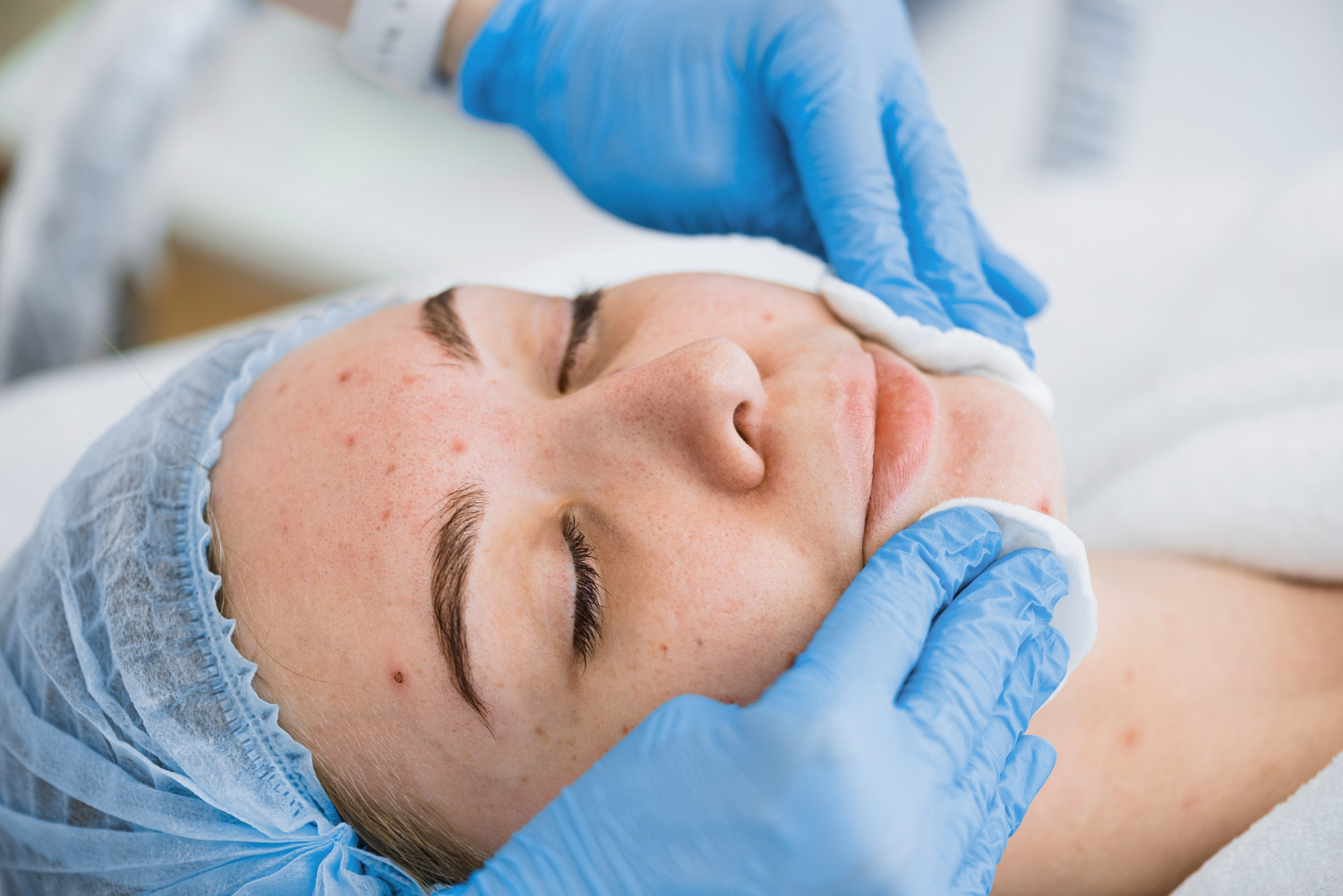
Regular maintenance, such as a professional acne facial Dubai, can assist in keeping the skin clear and hydrated during medical treatments. Topical acne treatments must be used after the skin has been thoroughly cleaned and moisturized. This relieves dryness and redness while improving the way drugs enter the blockages. Topical treatments by the best dermatologist for acne Dubai can treat mild to moderate acne over a few weeks if they are used consistently and with the proper combination of medications, according to the type of acne and skin sensitivity.
Key Takeaways
Determining your skin type and creating a program that works for you are essential to treating acne. Most of the time, treating the underlying problems and regularly using the appropriate topical creams, gels, and washes—whether over-the-counter or prescription—and advanced acne therapy Dubai works.
If modest therapies don’t work within a few months or if the acne is moderate to severe, consult a dermatologist. Some patients require oral antibiotics or treatments such as blue light therapy in addition to topicals. Since progress takes time, controlling expectations is also essential. Avoid picking or popping pimples, as this might exacerbate scarring and inflammation. Even severe acne may be treated with acne scar reduction Dubai and the help of a qualified dermatologist.
Long-term adherence to a focused skincare regimen helps manage breakouts and avoid scarring for a clean, self-assured complexion.
Hortman Clinics Providing Plastic Surgery and Dermatology Services to Patients in the Dubai Area
Hortman Clinics in Dubai offers various cosmetic procedures and committed care. Professionals at Hortman Clinics specialize in restorative surgery procedures that make you feel and look your best. Our expert dermatological and cosmetic care seamlessly integrates all plastic surgery treatments. They prioritize your objectives using thorough assessments and cutting-edge skin rejuvenation Dubai methods to assist you in achieving the best and most durable outcomes.
FAQs
What causes acne to develop?
Acne occurs when excess oil (sebum) and dead skin cells clog hair follicles, leading to inflammation. Hormonal changes, especially during puberty or adulthood, can increase oil production and trigger breakouts. Bacteria on the skin can further worsen the condition. Factors like stress, diet, and improper skincare may also contribute.
What are the different types of acne?
Acne ranges from mild to severe forms. Mild acne includes whiteheads and blackheads, while moderate acne involves more widespread pimples and inflammation. Severe acne includes nodules and cysts that form deep under the skin and may cause scarring. Identifying the type helps in choosing the right treatment.
How does skin type affect acne treatment?
Your skin type plays a key role in selecting effective treatments. Oily skin may need oil-controlling and drying ingredients, while dry skin requires gentle, hydrating formulations to prevent irritation. Combination skin needs a balanced approach targeting both oily and dry areas. Choosing the wrong products can worsen acne.
What are the best treatments for acne?
Treatment depends on severity and may include topical options like benzoyl peroxide, retinoids, salicylic acid, or antibiotics. These help reduce bacteria, unclog pores, and control oil production. In more severe cases, oral medications or clinical treatments may be required. Consistency is essential for visible results.
When should I see a dermatologist for acne?
If acne persists despite over-the-counter treatments or becomes moderate to severe, it’s best to consult a dermatologist. They can recommend stronger medications or advanced treatments like light therapy. Early professional care helps prevent long-term scarring and improves skin health more effectively.