


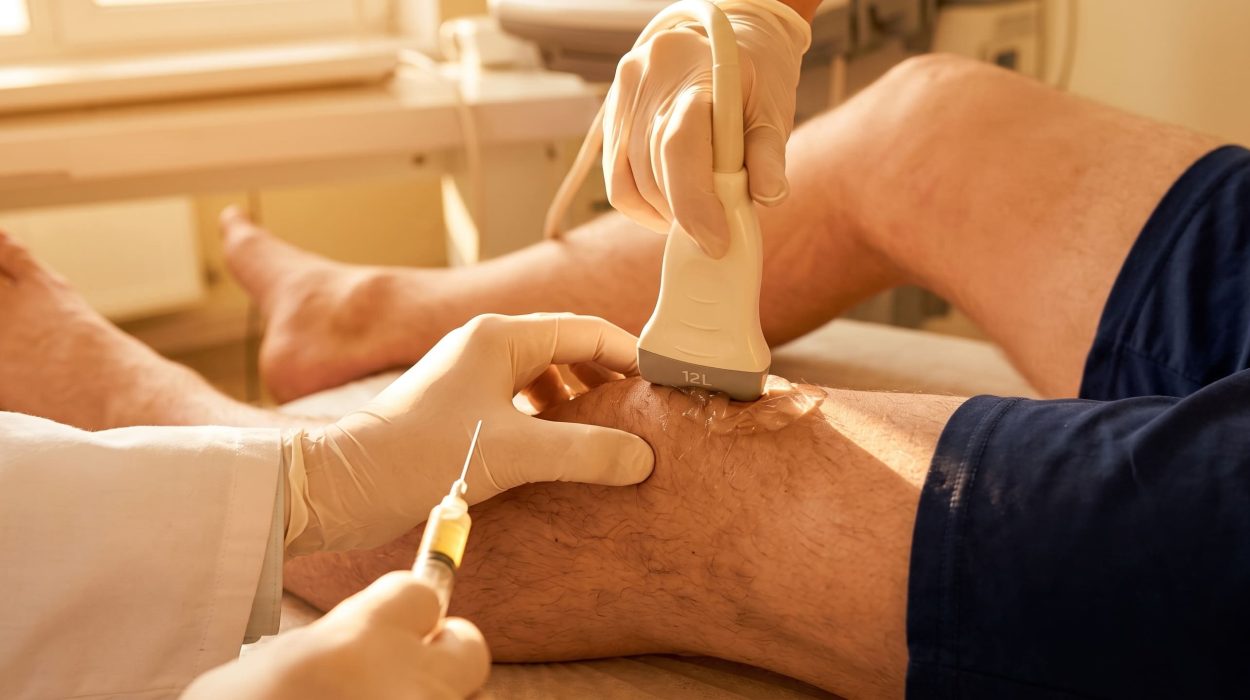
Regenerative medicine comprises treatments like peptide therapy, tissue engineering, cell and other similar biologically derived therapies that help restore, support, and replace damaged or dysfunctional cells and tissues in the body.
While traditional medicine emphasizes symptom and disease management, regenerative medicine aims to support the body’s repair mechanisms to assist it in healing itself. However, contrary to popular belief, regenerative medicine does not always mean reversing aging or regenerating damaged organs.
Let’s understand more about regenerative medicine and how it is redefining longevity and improving performance in this blog.
What Is Regenerative Medicine and How Does It Support Longevity?
Regenerative medicine is a broad area of healthcare that focuses on supporting the body's ability to repair, restore, or replace damaged cells, tissues, or biological functions.
Depending on the treatment, a regenerative medicine approach may involve cells, biological molecules like peptides (peptide therapy), tissue-based products, or other similar therapies that are designed to influence the body's own repair mechanisms.
How is regenerative medicine different from traditional medicine?
Conventional medicine often focuses on controlling symptoms, managing disease, and preventing complications. However, regenerative medicine uses the body’s biological processes to repair and recover.
Traditional and regenerative medicine are not competing approaches, and in almost every case, a qualified doctor can help determine which of the two approaches is more suitable for you.
Healthy aging is about health span and not just lifespan
A person’s lifespan is how long they live, whereas their health span is the period of life spent in relatively good health, function, and independence.
Regenerative and longevity medicine focus on preserving quality of life rather than just increasing the number of years one has lived. This is possible by maintaining optimum muscle strength, mobility, metabolic health, cognitive function, and recovery capacity.
Longevity and regenerative medicine are therefore considered a part of a comprehensive health strategy that takes factors like nutrition, exercise, sleep, and lifestyle factors under consideration.
How Do Peptides Work in the Body?
Peptides are short chains of amino acids (building blocks of proteins) that act as signaling molecules in the cells of the body. They participate in several body processes. Depending on their structure, they bind to specific receptors and interact with distinct signaling pathways to regulate hormones, metabolism, and other biological functions.
How do peptides work in the body?
Receptors in the cell are like a ‘switch,’ and when peptides interact with target receptors, the switch turns ‘on’ or ‘off’. Different peptides have different biological targets, which means their effects cannot be generalized across all peptide therapies.
What are the Potential Applications of Peptide Therapy?
There has been a growing interest in peptide therapy due to its applications in different areas like recovery, metabolic health, body composition, and healthy aging. While there are some established uses of peptide therapy, several are still under investigation.
Depending on the specific peptide and clinical context, researchers are studying potential effects related to tissue repair, metabolic pathways, sleep-related processes and body composition. Some peptides are promoted for muscle growth or recovery, while others have been shown to improve sleep, nutrition, metabolic health, and enhance resistance training – all of which remain fundamental components of longevity strategy.
At Hortman Clinics, the leading regenerative clinics in Dubai, longevity services currently include peptide therapy and specific peptide programs, such as MOTS-c, BPC-157, and peptide programs related to muscle growth and menopause.
What Role Do Stem Cells Play in Regenerative Medicine?
Stem cells regrow or renew themselves or develop into specialized cell types. It is this unique ability of these cells that makes them an important part of regenerative medicine. Stem cell therapies are still under study for their use in different medical conditions.
Are Stem-Cell Therapies Approved?
Stem cells regrow or renew themselves or develop into specialized cell types. It is this unique ability of these cells that makes them an important part of regenerative medicine. Stem cell therapies are still under study for their use in different medical conditions.
Can Stem Cells Repair Age-Related Tissue Damage?
There is growing proof that stem cells can help repair tissue damage, which makes it an exciting part of regenerative and longevity medicine. However, aging is a complex biological process involving many interconnected systems, and there is currently no stem-cell treatment that guarantees to reverse human aging or age-related tissue damage.
What Does Current Research and Clinical Evidence Suggest?
Regenerative medicine continues to develop rapidly, but laboratory findings do not automatically translate into proven clinical benefits.
Before considering regenerative or longevity treatments, you must look for transparent information about clinical evidence rather than relying solely on testimonials or promotional claims.
Getting a consultation from certified and trained specialists at premier clinics like Hortman can give you more information about regenerative and longevity treatments and if they are beneficial for you.
What are the Benefits of Regenerative Medicine for Your Body?
Regenerative medicine treatments like peptide therapy are scientifically backed and have been shown to contribute to improvement in peak performance and overall health. Some of these benefits include:
Athletes who train and wish to build stamina, endurance, and improve their physical recovery and performance can benefit from regenerative treatment like peptide therapy.
Did you know your peak performance depends on more than training harder?
Adequate sleep, nutrition, conditioning, recovery, and injury prevention all contribute to physical performance. Regenerative medicine may have a role in selected situations where tissue health or recovery requires additional medical attention.
Peptides are known to influence muscle repair and recovery.
They have also been shown to repair joints (including tendons, cartilages and ligaments) at the cellular level.
These effects of regenerative treatments like peptides are particularly relevant to active adults, athletes and individuals experiencing age-related changes in mobility.
However, proper diagnosis is essential before deciding whether a regenerative treatment is appropriate. Treating the underlying condition remains more important than simply selecting the newest available therapy.
Regenerative treatments can also enhance cognitive function, metabolic health and the ability to maintain energy throughout the day.
Why Do Regenerative Treatment Outcomes Vary Between Patients?
Two patients receiving the same treatment may experience different outcomes. Age, genetics, baseline health, lifestyle, nutritional status, medical conditions, and treatment adherence can all influence results. The underlying diagnosis and severity of a problem may also affect the response.
This is why responsible regenerative medicine avoids guaranteeing identical outcomes for every patient.
Are Regenerative Therapies Safe?
Regenerative treatments, including peptide therapies, are still under study and may have limited safety data. However, at Hortman Clinics, your one-stop destination for wellness, our experts use treatments backed by scientific research, making regenerative therapies safe.
However, like any other medical treatment, regenerative therapies may have potential side effects such as injection-site reactions, infection, immune reactions, medication interactions or other treatment-specific complications.
To ensure the safety of regenerative and longevity treatments at Hortman Clinics, Dubai, our team:
- Evaluates the quality, sourcing, preparation and handling of products
- All regenerative and longevity treatments are administered by trained, board-certified, experienced specialists only.
- Our experts ensure complete transparency, explaining to patients what treatment they are receiving and why it has been recommended for them.
- All regenerative therapies are closely monitored by the team at Hortman.
When choosing a clinic for regenerative treatments, remember that a premium clinic experience is defined by clinical standards, qualified professionals and transparency, not simply by luxury surroundings.
What Regenerative and Longevity Medicine Treatments are Available in Dubai?
Hortman Clinics offers a wide range of personalized advanced aesthetic procedures for anti-aging and wellness treatments, which include:
- Personalised programmes such as peptide therapy for anti-aging, muscle growth, menopause and overall health improvement.
- IV therapy, NAD IV therapy, and other health-optimization services within its wellness offering.
Are You a Candidate for Longevity Therapy?
Whether you are a candidate for longevity treatment depends on your medical history, physical evaluation, and appropriate laboratory diagnosis recommended by your doctor.
During your consultation appointment, your doctor will perform a thorough assessment to determine if a regenerative treatment is medically safe and beneficial for you.
What to Expect from Your Personalized Treatment Plan
If you are considering regenerative or longevity treatment at Hortman Clinics, Dubai, the process typically begins with an in-depth consultation to understand your medical history and objectives. Your doctor may prescribe additional tests or assessments that are appropriate.
If treatment is recommended, the plan should explain what is being used, why it is being used, and how it will be administered. Every treatment plan recommended at Hortman Clinics is tailored to individual needs.
You will also be required to visit the clinic for follow-up appointments, as it gives your doctor an opportunity to review your response and make appropriate adjustments.
How Much Does Regenerative Medicine Cost in Dubai?
The cost of regenerative treatments in Dubai depends on several factors, such as:
- Type of treatment
- Medications/products used
- Number of sessions or doses required
At Hortman Clinics, your doctor will give you an approximate cost of the treatment prescribed to you before proceeding with the procedure.
It is important to understand that regenerative treatment costs vary significantly based on the complexity of the case, treatment goals, and overall therapy plan.
At Hortman Clinics, the final prices for peptides and other regenerative therapies are determined after a medical consultation and clinical assessment.
Book a Longevity and Peak-Performance Consultation
The first step toward longevity optimization should be to understand your current health.
A doctor-led assessment at Hortman Clinics can help you identify your priorities, review your medical history, and determine what your body really needs.
Whether your goal is healthier aging, improved recovery, maintaining mobility, or supporting peak performance, the treatment plan is always tailored to your needs.
At Hortman Clinics, wellness consultations for areas including TRT, peptides, and hormones are led by our expert regenerative and longevity therapy specialists.

We are here for you. Always.
Everything we do is tailored to your needs, this is why we take our time to take care of you and answer all your questions.