

Dermal Fillers Explained: A Nurse Practitioner’s Guide
In Dubai, dermal fillers are among the most popular and misinterpreted cosmetic procedures. It’s simple to be uncertain about the true effects of fillers, their safety, and whether they will appear natural due to social media trends and false information.
As an aesthetic clinic run by nurse practitioners, we think that education should always take precedence over the best dermal fillers in Dubai. In order to help you make confident, well-informed decisions about your face, this guide explains dermal fillers in an honest and straightforward manner.
What Are Dermal Fillers?
The most common ingredient in dermal fillers Dubai, which are injectable gels, is hyaluronic acid (HA), a naturally occurring substance that supports skin structure and aids in moisture retention.
When applied correctly, dermal fillers can:
- Restore the volume that was lost
- Boost the balance of your face
- Support aging skin
- Enhance rather than alter natural features
Dermal fillers treatment in Dubai are not used as stand-alone treatments at Hortman Clinics but rather as a component of a full-face approach.
Common Areas Treated With Dermal Fillers
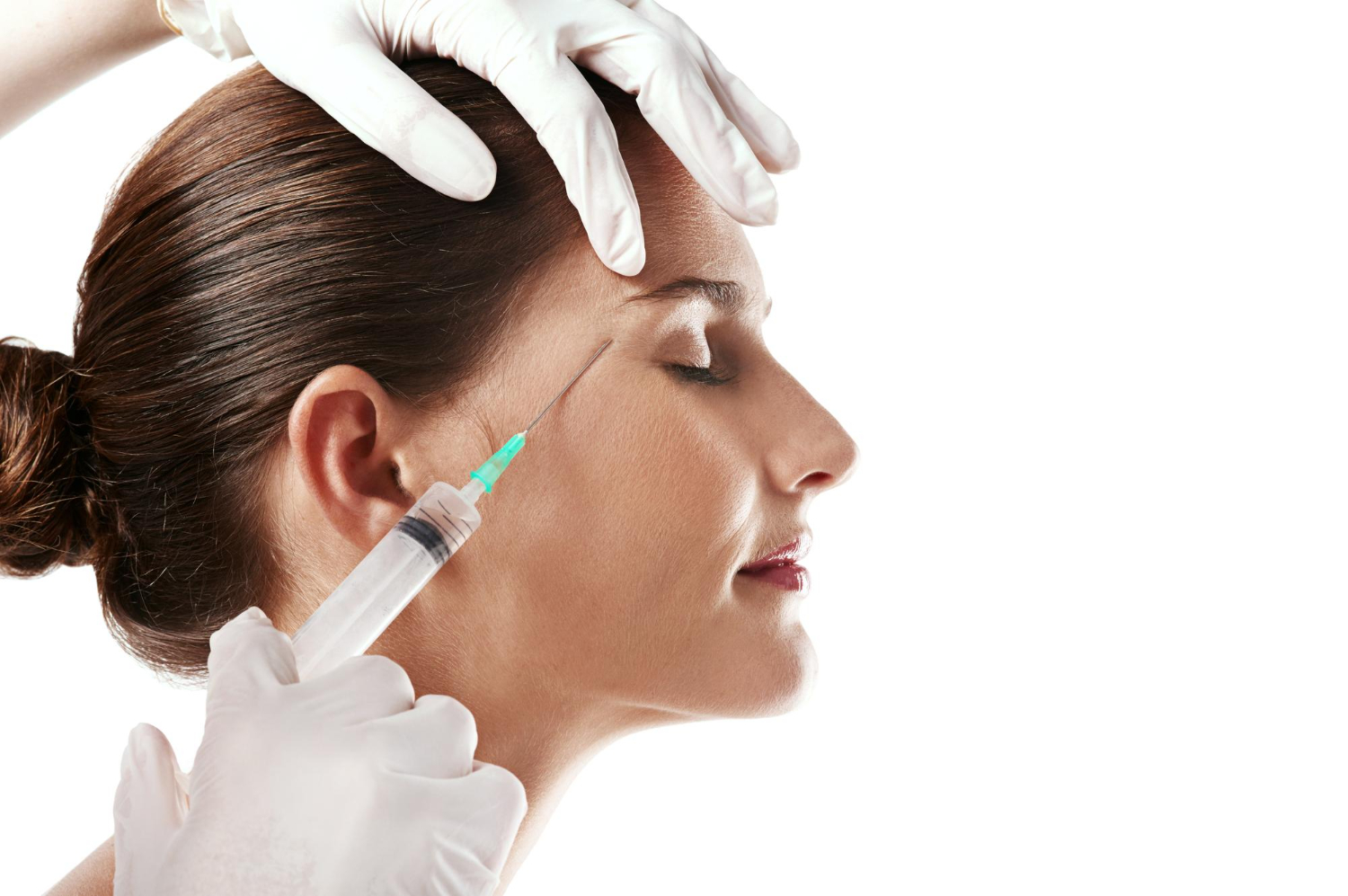
There are numerous applications for dermal fillers, such as:
- Cheekbones
- The lips
- Jawline
- Chin
- Nasolabial folds
- Tear troughs (the area beneath the eyes)
- Temples
The key is careful selection of types of dermal fillers, accurate placement, and cautious dosage—all of which call for in-depth anatomical knowledge.
What Dermal Fillers Do Not Do
Although they are useful tools, fillers are not magical.
Dermal fillers do not:
- Stop the aging process
- Replace quality skincare products
- Replace therapies that stimulate collagen.
- Resolve low-quality skin
- Produce long-lasting effects
Planning a safe and moral course of treatment requires an understanding of these constraints.
Will Dermal Fillers Look Natural?
Natural outcomes rely on:
- Injector education and expertise
- Evaluation of the face (not just one area)
- Product selection
- Injection method
- Conservative ideology
When fillers are used to chase lines instead of addressing structural aging and volume loss, overfilling happens. Balance, proportion, and long-term results are the main goals of the best dermal fillers doctors in Dubai.
How Long Do Dermal Fillers Last?
The majority of hyaluronic acid fillers last six to eighteen months, depending on the following:
- The item utilized
- Treated area
- The metabolism
- Movement of the face
- Factors related to lifestyle
Fillers do not “sit forever” when positioned correctly; instead, they are gradually absorbed over time.
Are Dermal Fillers Safe?
Dermal fillers before and after results show that dermal fillers are safe when used by a licensed medical practitioner, but they are medical procedures rather than cosmetic treatments.
Included in safety are the following:
- Complete medical history and consultation
- Profound knowledge of the anatomy of the face
- Choosing the right products
- Understanding of managing complications
- Capacity to dissolve filler when necessary
For this reason, picking a skilled, medically run clinic for injectable dermal fillers is important.
What to Expect During Your Dermal Fillers Consultation
The most crucial step in your filler journey is your consultation.
Here at Hortman Clinics, we
- Conduct a full-face evaluation
- Talk about your objectives and worries.
- Give an honest explanation of your options, including when filler isn’t the best option.
- Make a customized treatment strategy.
- Pay attention to gradual, subtle outcomes
Treatment should never be hurried or forced upon you.
Dermal Fillers Aftercare & Results
Dermal Fillers’ Downtime
- It’s normal to have minor bruising or swelling.
- Most clients resume their regular activities right away.
- Final outcomes take two to four weeks to settle.
Dermal Fillers Maintenance
Fillers are most effective when used in conjunction with a long-term strategy, such as the following:
- Neuromodulators
- Biostimulators
- Energy-based therapies
- Skincare products of medical quality
Why Choose a Nurse Practitioner for Dermal Fillers?
A nurse practitioner provides:
- Advanced medical education
- Authority to prescribe
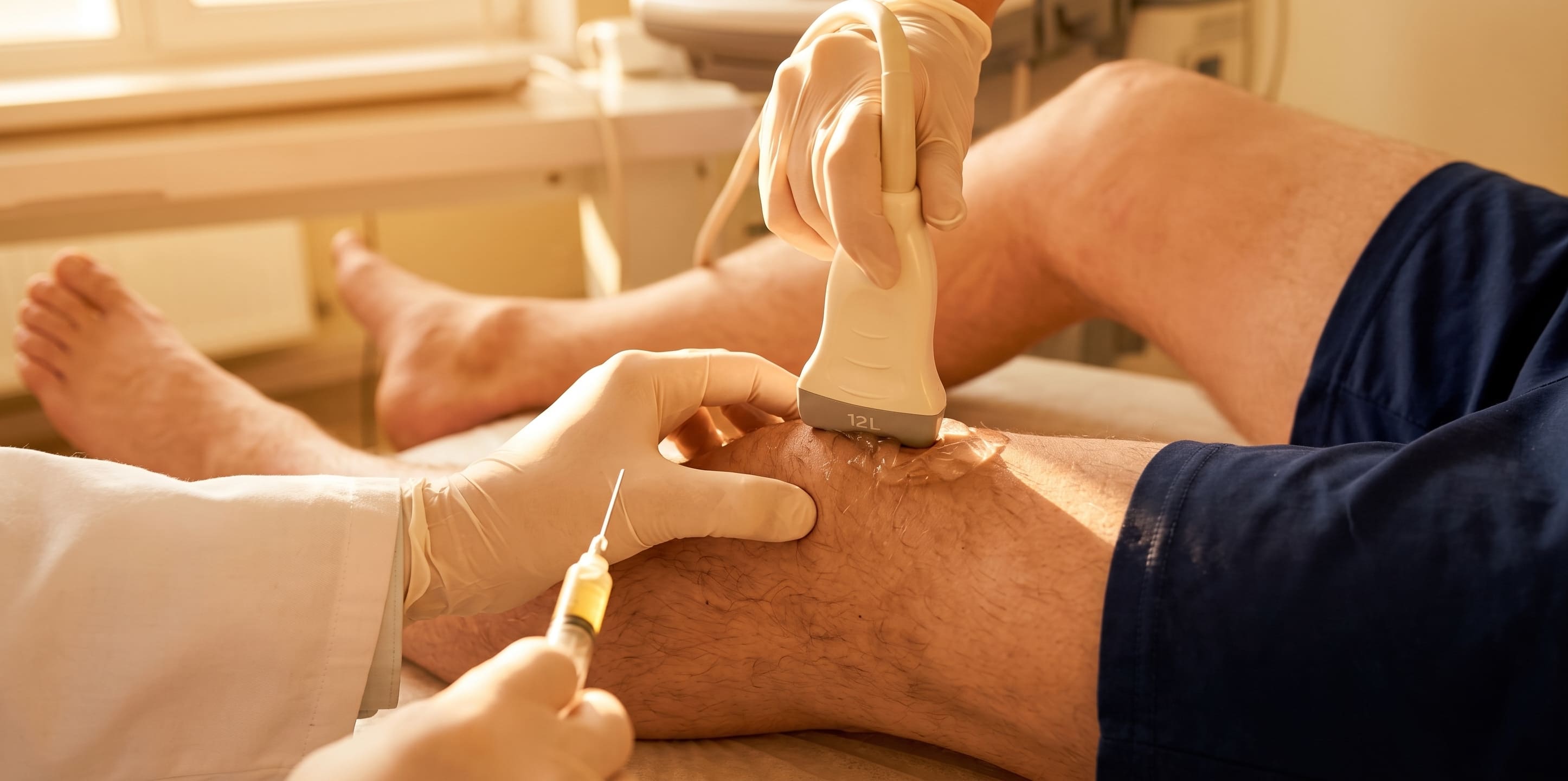
- Ultrasound and diagnostic abilities
- Robust ethical framework
- A strong focus on patient education and safety
Our mission at Hortman Clinics is to help patients find the best course of action for their faces, not to sell treatments.
Is Dermal Filler Right for You?
Dermal fillers are a great choice for:
- Getting the volume back
- Improving the balance of the face
- Endorsing age-related modifications
A professional consultation with a provider who places a high priority on education, safety, and natural outcomes is the best way to find out.
Book a Dermal Filler Consultation in Dubai
We at Hortman Clinics can assist you if you’re thinking about dermal fillers and would like a careful, medically guided approach.
Schedule your consultation right now.
FAQs
What are dermal fillers used for?
Dermal fillers are injectable treatments used to restore lost volume, improve facial balance, soften lines, and enhance natural features. Common treatment areas include the lips, cheeks, jawline, chin, under-eye area, and nasolabial folds.
Will dermal fillers make my face look unnatural?
When performed by a qualified and experienced medical professional, dermal fillers can produce subtle and natural-looking results. A conservative approach focused on facial balance and proportion helps avoid an overfilled appearance.
How long do dermal fillers last?
Most hyaluronic acid dermal fillers last between 6 and 18 months, depending on the product used, treatment area, metabolism, and lifestyle factors. Results gradually fade over time as the filler naturally breaks down.
Are dermal fillers safe?
Dermal fillers are generally safe when administered by a licensed medical provider with advanced knowledge of facial anatomy. Proper consultation, product selection, and understanding of complication management are essential for safe treatment.
What should I expect after dermal filler treatment?
Mild swelling, redness, or bruising may occur after treatment, but most people can return to normal activities immediately. Final results usually settle within two to four weeks, revealing smoother and more balanced facial contours.