

Your Ultimate Guide To Acne Treatment And Breakout Solutions
Despite being one of the most prevalent skin conditions, acne has far-reaching effects. Many of us struggle with acne, but we’re not always sure how to deal with it effectively, whether through recurrent breakouts, scarring, or its emotional toll. Finding the best acne treatment Dubai clinics allows you to customize your routine safely. Using professional guidance, our dermatologists explain how Hortman Clinics can help you achieve clearer, healthier skin. This guide will walk you through the fundamentals of treating acne and acne treatment in Dubai.
What Causes Acne?
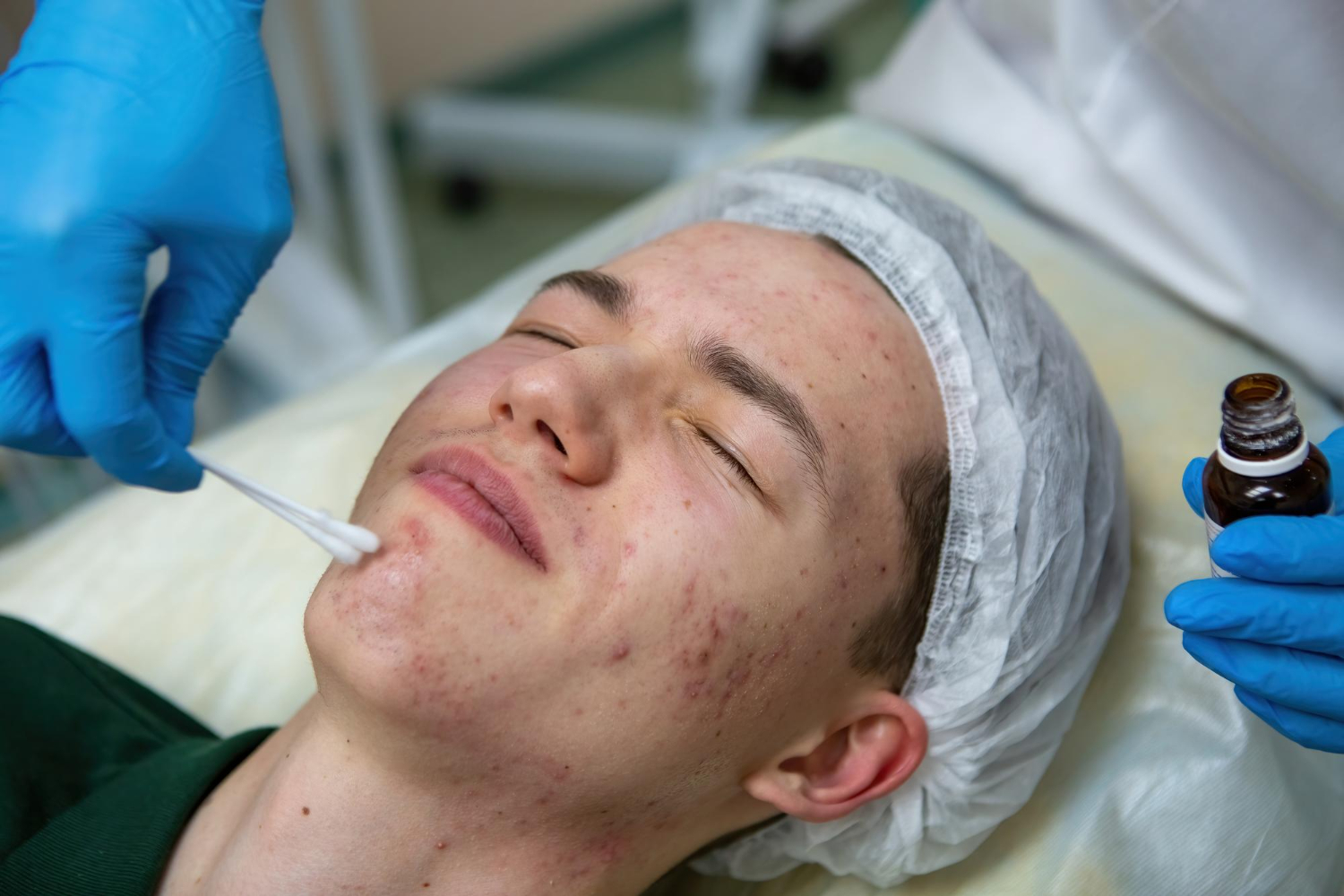
When the sebaceous glands overproduce oil, it clogs pores with dead skin cells and fosters the growth of bacteria, which leads to acne. Blackheads, whiteheads, and inflamed spots can appear as a result of this combination. Flare-ups can be caused by hormonal fluctuations, stress, some medications, and even skincare products. Booking a clinical acne facial Dubai can help gently extract these clogged impactions before they develop into deeper blemishes.
Acne Treatment Options
Treatment for acne is not universally applicable. Below is a summary of the best strategies:
1. Over-the-Counter Products + Facials
Non-prescription topical treatments that include the following are frequently effective in treating mild acne:
- Benzoyl Peroxide: For instance, Acnecide reduces bacteria and clears pores.
- Salicylic Acid: Aids in pore unclogging and skin exfoliation.
- Niacinamide: Promotes skin repair and reduces inflammation.
- Products that can help but won’t break the bank: Eucerin Hydrating Gel, Effaclar H ISO-BIOME Moisturizing Cream, Effaclar Duo+M: Anti-Blemish Gel, and iS Clinical Moisturizing Complex. NB: All skin is different, so please come in for a complimentary skin health consultation if you would like specific advice.
Breakout-clearing facials help clear congestion and get your skin feeling fresh and squeaky clean—we can also advise you on products and check in with the dermatologist about your skin post-facial if needed, as we know your skin can be complex. Choosing a professional chemical peel for acne Dubai can also accelerate cell turnover and lift dead cells away efficiently.
2. Prescription Topical Treatments + Laser
In moderate situations, our dermatologists might suggest the following:
- Topical Antibiotics: To reduce bacteria and inflammation.
- Retinoids: To avoid clogged pores, increase cell turnover. Prescription strength is provided by dermatologists, making it more potent than over-the-counter cosmetics. If you have dry skin, be careful not to overdo it.
- Azelaic Acid: Combats pigmentation and bacteria. In cases of rosacea, this is also helpful.
The BBL laser, in combination with breakout facials, is a fast and effective way of reducing bacteria on the skin (via the blue light), reducing redness (hitting the vessels), and then tightening and soothing the pores. It requires dedication to receive several treatments close to one another. Opting for a targeted laser acne treatment Dubai addresses both active bacteria and lingering red marks simultaneously.
3. Oral Acne Medications
For acne that is more severe or persistent:
- Oral antibiotics: Often used in conjunction with topical therapies, they reduce inflammation and control bacteria.
- Hormonal treatments: Women with hormonal acne, which is typically found around the jawline and chin, may benefit from taking oral contraceptives in combination with other medications.
- Close monitoring of powerful medications: A powerful option for severe acne, we can administer top acne prescriptions to provide long-lasting results, but these medications require close medical supervision (including blood tests) due to potential side effects. Deploying advanced acne therapy Dubai methodologies helps address these stubborn, deep-seated nodules effectively under the medical eye.
Why Early Acne Treatment Matters
Untreated acne can lead to permanent scarring, hyperpigmentation, and emotional distress. If this sounds like you, don’t worry – you’re not alone. Acne doesn’t just affect the skin—it can significantly impact mental health, leading to low self-esteem. Pursuing professional acne scar reduction Dubai early can minimize long-term structural changes to the tissue. Acting early can help these outcomes and set you on the path to clearer skin.
How an Acne Dermatologist Can Help
If over-the-counter treatments aren’t working or you’re dealing with acne and breakouts that need help clearing, it’s time to consult a dermatologist. Finding the best dermatologist for acne Dubai ensures you receive an accurate diagnosis and custom medical prescriptions. They can:
- Diagnose your acne type and severity.
- Tailor a treatment plan specific to your skin’s needs, including prescription medication.
- Offer advanced options like chemical peels, laser therapy, or microneedling to address scarring.
Your Journey to Clearer Skin at Hortman Clinics
We at Hortman Clinics in Dubai recognize that acne is more than a cosmetic issue. Our skilled dermatologists guarantee a pleasant and stress-free experience by fusing medical knowledge with a kind, personable touch. If you have older markings, scheduling an acne scar removal Dubai program can help smooth out depressed textures and restore your confidence. We can assist you whether you’re seeking remedies for scarring or are struggling with recurring breakouts.
Get in touch with us to start down the path to healthier, clearer skin. We’ve been there, so trust us. Our tailored treatments prioritize long-term skin rejuvenation Dubai goals alongside direct blemish control.
FAQs
What causes acne and why do some people experience frequent breakouts?
Acne develops when excess oil, dead skin cells, and bacteria clog the pores. This can lead to blackheads, whiteheads, and inflamed spots on the skin. Hormonal fluctuations, stress, certain medications, and unsuitable skincare products can all contribute to breakouts. Genetics may also play a role in determining how prone you are to acne. While acne is most common during adolescence, it can affect people of all ages. Understanding your triggers is an important step toward effective acne management.
When should I see a dermatologist for acne treatment?
If over-the-counter products are not improving your acne after several weeks, it may be time to consult a dermatologist. Professional help is especially important if you have painful cysts, widespread breakouts, scarring, or pigmentation changes. A dermatologist can accurately diagnose your acne type and create a personalized treatment plan. Early intervention can prevent long-term skin damage and reduce the risk of permanent scars. Seeking expert advice can also save time and frustration by identifying the most effective treatment options for your skin.
What treatments are available for moderate to severe acne?
Moderate to severe acne often requires prescription-strength treatments. Dermatologists may recommend topical retinoids, antibiotics, or azelaic acid to reduce inflammation and prevent clogged pores. In some cases, oral medications such as antibiotics or hormonal therapies may be prescribed. Advanced treatments like laser therapy and specialized facials can also help control breakouts and improve skin appearance. The best treatment plan depends on your skin type, acne severity, and overall health. Regular follow-up appointments help ensure optimal results.
Can acne leave permanent scars if left untreated?
Yes, untreated or severe acne can cause permanent scarring and long-lasting pigmentation changes. Deep inflammatory lesions can damage the skin’s structure, leading to depressed or raised scars. The longer active acne persists, the greater the risk of lasting marks. Early and appropriate treatment can significantly reduce the chances of scarring. For existing scars, dermatologists may recommend treatments such as microneedling, chemical peels, or laser procedures. Addressing acne promptly is the best way to protect your skin’s long-term appearance.
How long does it take to see results from acne treatment?
The timeline for improvement varies depending on the severity of acne and the treatment used. Most topical treatments require at least six to eight weeks before noticeable changes occur. Prescription medications and advanced procedures may deliver results sooner, but consistency remains essential. Some treatments can initially cause mild irritation or temporary worsening before the skin begins to improve. Following your dermatologist’s instructions and maintaining a regular skincare routine are key to achieving the best outcome. Patience and commitment often lead to clearer, healthier skin over time.