


Stretch marks are white, red, or purplish lines on the skin that are not harmful but are often a cosmetic concern. Treatment for stretch marks usually aims to make them less noticeable by improving their color, texture, width, and overall appearance. However, no treatment reliably removes established stretch marks completely.
At Hortman Clinics Dubai, stretch mark treatment is selected according to the color, maturity, location, and characteristics of the stretch marks, as well as the patient's skin type and risk of pigmentation. .
In this blog, let’s learn more about stretch marks, their different types, and how they are managed. .
What are Stretch Marks?
Stretch marks, also called striae distensae, are visible lines that appear when deeper skin layers stretch and remodel. They can appear during puberty, pregnancy, periods of rapid weight change, muscle growth, and other situations that increase skin tension. .
Stretch marks may occur on the abdomen, thighs, hips, breasts, buttocks, arms, shoulders, back, and other areas of the body.
What are the Different Types of Stretch Marks?
.
There are two main types or stages of stretch marks: .
- Striae rubra: These are the newer, red, pink, or purple stretch marks
- Striae alba: These are the older, pale white or silver stretch marks
The distinction between these types of stretch marks is clinically relevant because newer stretch marks are more vascular and inflammatory, while mature striae alba are generally more difficult to improve. .
How are Different Types of Stretch Marks Treated in Dubai?
The most appropriate treatment for stretch marks depends on their age, color, texture, and degree of skin laxity.
Newer red or purple stretch marks generally have a more prominent vascular component, while pigmentation may also contribute to their appearance.
Older white or silvery stretch marks tend to require treatments that target deeper collagen remodeling and skin texture.
Treatment for striae alba (white or silver stretch marks)
Striae alba are mature stretch marks that can be particularly challenging because they are established changes in the dermis rather than recent inflammatory lesions.
These stretch marks are typically addressed using treatments that focus on skin resurfacing, collagen stimulation, and improvement in texture.
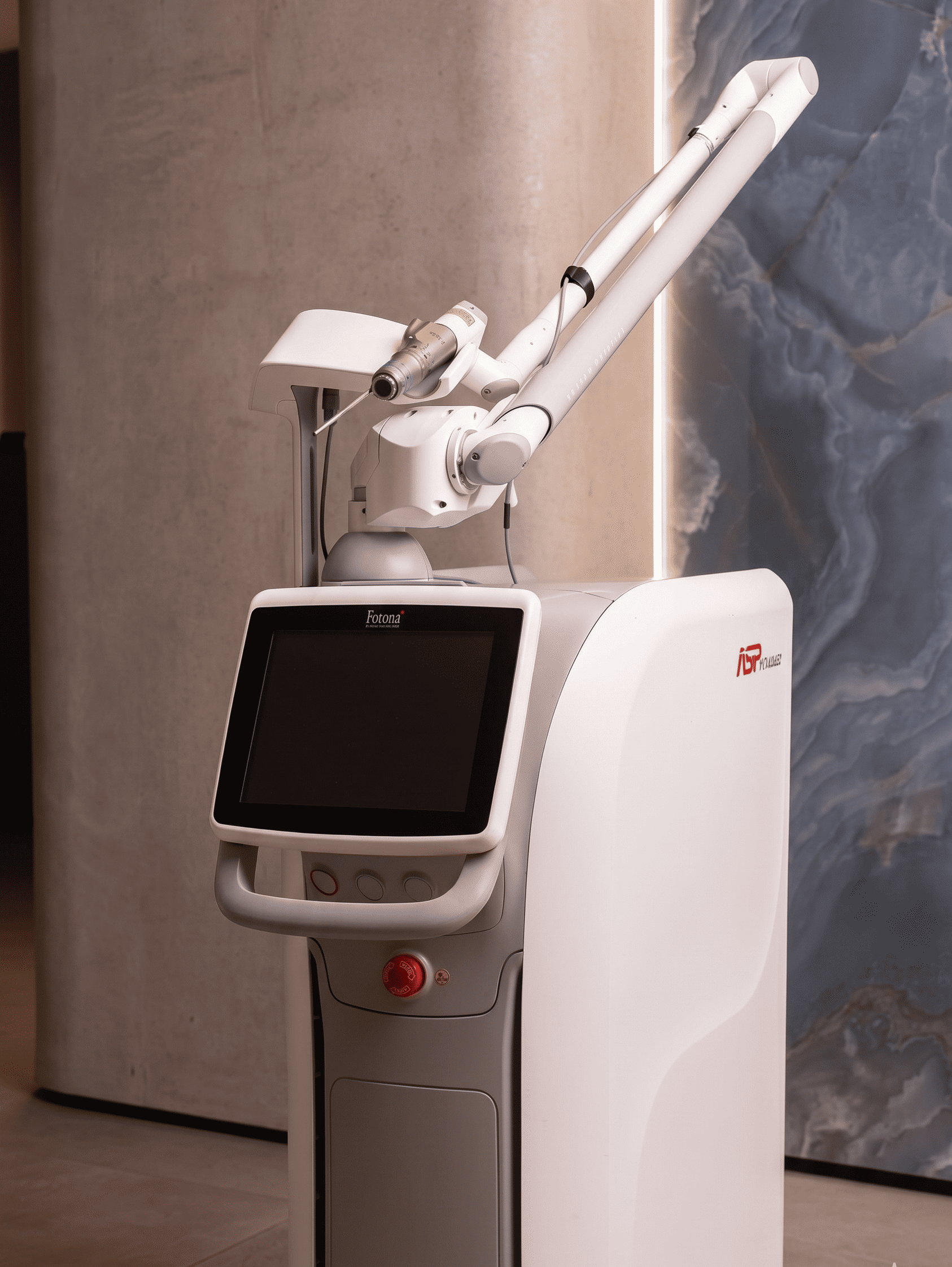
Fractional ablative lasers are among the energy-based treatments studied for mature stretch marks. At Hortman Clinics, the Fotona SP Dynamis uses fractional Er:YAG and Nd:YAG modes to resurface the skin and deliver deeper dermal heating, aiming to improve the texture and color of stretch marks.
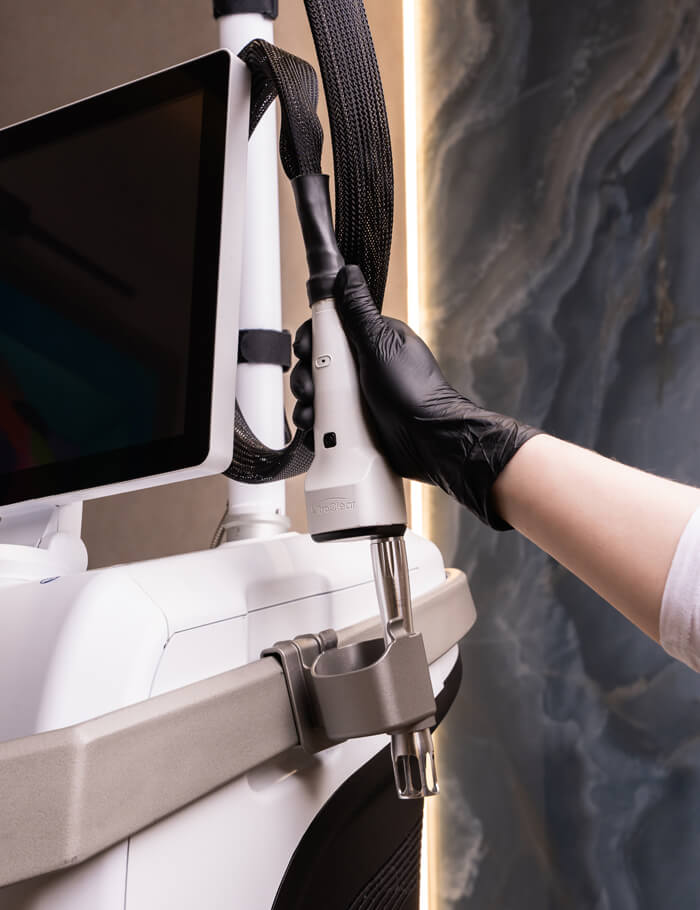
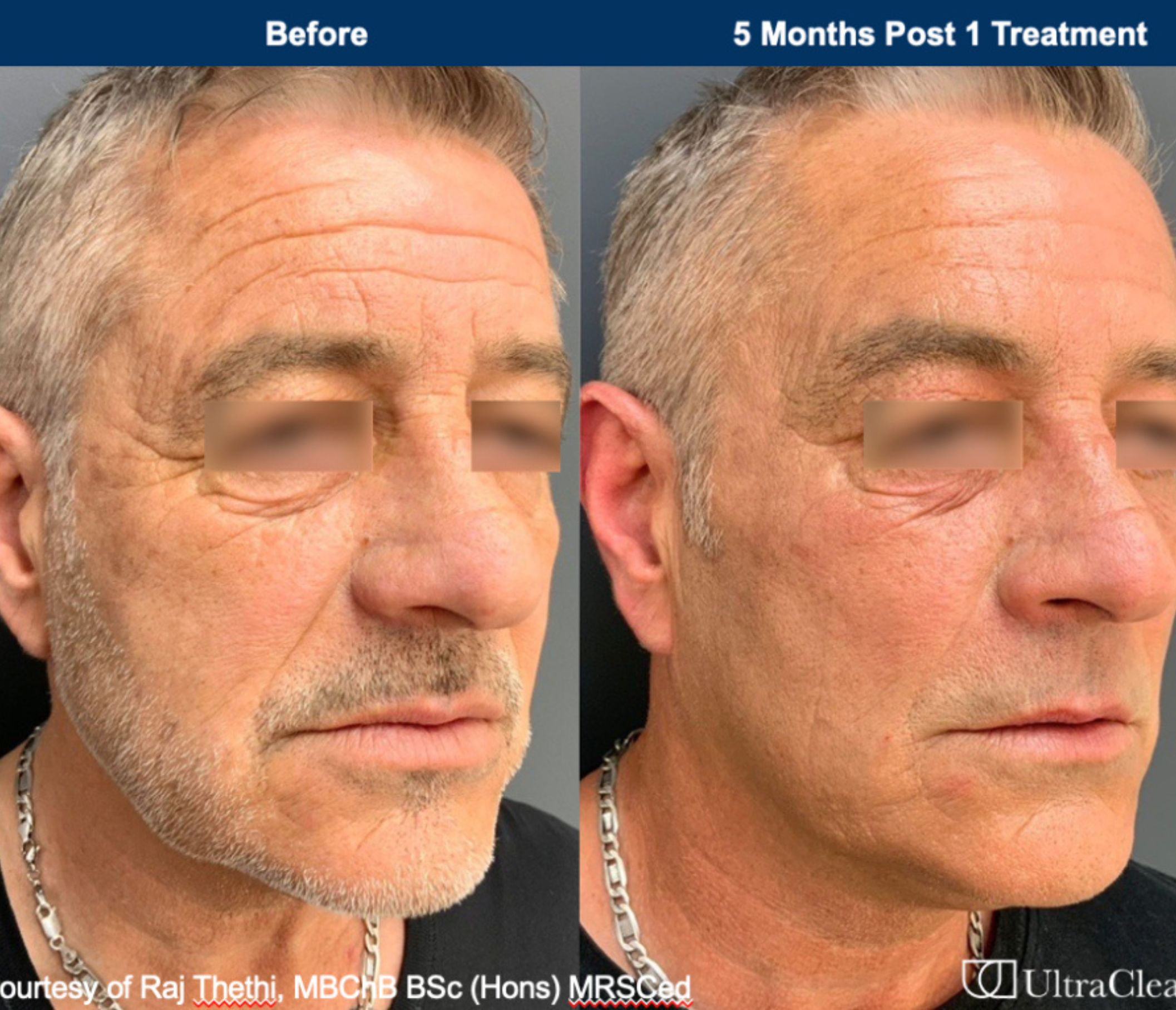
UltraClear is a fractional cold-fiber laser that creates microscopic treatment zones within the skin to encourage collagen production, helping smooth and narrow stretch marks over multiple sessions.
For stretch marks accompanied by skin laxity, Morpheus8 RF microneedling provides deeper collagen remodeling. It may be particularly relevant for older white stretch marks where laxity and texture are also concerns.
Treatment for Striae Rubra(red, pink, purple, or reddish-brown)
Striae rubra are generally newer stretch marks that may appear red, pink, purple, or reddish-brown. Because these marks have a greater vascular component than mature striae alba, treatments that target vascularity may be considered.
For red, purple, or visibly pigmented stretch marks, treatments that target color and pigmentation can be particularly useful.
The Fotona StarWalker, which uses Q-switched and picosecond laser technology, can target pigment and may be combined with fractional treatment when textural changes also need addressing.
PicoWay and PICO Genesis are picosecond-based lasers that can address pigmentation while stimulating collagen and elastin. With a course of treatments, this can help improve the overall tone, elasticity, and texture of the affected skin.
Since the characteristics of different types of stretch marks vary, they require different approaches to treatment. An assessment with our DHA-licensed and experienced dermatologists at Hortman Clinics can help determine the best treatment for your stretch marks.
Does Microneedling Treat Stretch Marks?
Microneedling uses very fine needles to create controlled microscopic injuries in the skin. The resulting wound-healing response can stimulate collagen and elastin remodeling.
It is particularly relevant when the goal is to improve the texture and depth of stretch marks rather than simply alter their color.
Both lasers and microneedling have been shown to improve the appearance of stretch marks.
Microneedling may have a lower risk of post-inflammatory hyperpigmentation than more aggressive ablative laser resurfacing.
However, pigmentary complications can still occur, and treatment should be individualized according to skin type.
Which Stretch Mark Treatment is Right for You?
No single treatment is best for every stretch mark, as several factors govern the treatment decision.
DHA-licensed clinicians and laser therapists at Hortman Clinics consider several factors before determining the most suitable treatment or device for you.
Our clinician may consider:
- For white or silver striae alba: Fractional lasers, microneedling, RF microneedling such as Morpheus8, and combination treatments may be considered, depending on skin type and clinical characteristics.
- For red or purple striae rubra: Q-switched laser such as Fotona StarWalker or picosecond lasers such as PicoWay or PICO Genesis may be considered depending on the degree of redness and textural change.
- For darker skin tones: Microneedling and RF microneedling such as Morpheus8 may be particularly useful when minimizing the risk of pigmentary complications is a priority, although treatment must still be individualized.
- For mixed or treatment-resistant stretch marks: A combination of devices and treatment options may be considered when addressing different components of the stretch mark.
How Many Sessions Will You Need?
The number of treatment sessions you will require for reducing stretch mark appearance varies according to the treatment, location, age, and type of stretch marks.
Individual response can also influence how many sessions may be recommended.
Most people require multiple treatment sessions separated by several weeks, rather than a single procedure.
In addition to patient-specific factors, collagen remodeling takes time, so you should not judge the final appearance immediately after a procedure.
Can Stretch Marks on Any Part of the Body Be Treated?
Stretch marks can occur on many areas, including the abdomen, thighs, hips, buttocks, breasts, upper arms, shoulders, back, flanks, and legs.
Stretch marks on different areas of the body can be treated with lasers and other energy-based procedures.
However, the choice of technology, treatment settings, and safety considerations may vary according to the anatomical site.
The treatment approach may also change depending on skin thickness, anatomical location, pigmentation risk, and the characteristics of the stretch marks.
A treatment that is appropriate for abdominal striae may not necessarily be used with identical settings on the breasts, inner thighs, or other sensitive areas.
Can Stretch Marks Be Removed Completely?
When undergoing treatment for stretch marks, it is important to have realistic expectations.
The goal of treatment is improvement, not complete disappearance.
Depending on the individual and treatment selected, improvement may involve reducing the contrast between the stretch mark and surrounding skin.
Treatment may also help improve texture, reduce the width of stretch marks, or make depressed areas less visible.
Treatment is therefore best individualized according to the type of stretch marks, skin type, location, and clinical goals.
Does Skin Tone Matter When Treating Stretch Marks?
One of the major criteria for effective management of stretch marks is skin type.
People with darker skin tones have a higher susceptibility to post-inflammatory hyperpigmentation (PIH) after inflammatory or thermal skin procedures.
This is particularly relevant when considering fractional laser treatments.
Radiofrequency microneedling may be considered for people with darker skin tones when minimizing the risk of pigmentary complications is an important consideration.
Current research suggests that microneedle radiofrequency may have a lower risk of PIH than fractional lasers.
However, individual risk varies, and treatment should always be tailored to the patient.
Stretch Mark Treatment in Dubai at Hortman Clinics
At Hortman Clinics Dubai, stretch mark treatment can be individualized according to the type of striae, skin tone, anatomical location, age of the stretch marks, and desired outcome.
Treatment options may include fractional laser resurfacing, microneedling, radiofrequency microneedling, and other clinically appropriate approaches.
The goal is not to promise complete removal, but to improve the color, texture, width, and visibility of stretch marks.
The treatment approach is selected according to the patient's skin characteristics and individual risk profile.
During a consultation, the clinical team can assess whether the marks are predominantly striae rubra, striae alba, or a combination.
Based on this assessment, the team can determine which treatment or combination of treatments may be most appropriate.
Key Takeaway
Stretch marks are common and can occur on virtually any part of the body.
Their appearance and response to treatment depend substantially on whether they are red or purple striae rubra or mature white or silver striae alba.
Studies have shown that lasers and other energy-based treatments can improve the appearance of stretch marks, although results vary between treatments and patients.
For people with darker skin tones, minimizing the risk of post-inflammatory hyperpigmentation is particularly important when treating stretch marks.
Microneedling or RF microneedling, such as Morpheus8, may be considered when clinically appropriate.
The most appropriate treatment is determined by the type of stretch marks, skin type, body area, treatment goals, and individual risk factors.
A personalized assessment with a DHA-licensed clinician is therefore more useful than choosing a procedure based solely on the name of a laser or device.
FAQs
Frequently asked questions
There is no universally best treatment for white stretch marks. Fractional lasers, microneedling and radiofrequency microneedling have all been studied for striae alba, with treatment selection depending on skin type, stretch-mark characteristics, pigmentation risk and clinical goals. Fotona SP Dynamis is one of the fractional laser platforms offered at Hortman Clinics for stretch-mark treatment.
Red or purple stretch marks may respond to treatments that target pigmentation and other features of early striae. These include the Q-switched laser like Fotona StarWalker or picosecond lasers, both of which are available at Hortman Clinics, Dubai.
Microneedling may have a lower risk of post-inflammatory hyperpigmentation than some more aggressive ablative laser treatments, although pigmentary complications can still occur. It may therefore be considered for people with darker skin tones when minimizing pigmentary risk is an important consideration.
Morpheus8 is a radiofrequency microneedling treatment that combines controlled needle penetration with delivery of radiofrequency energy into the deeper skin layers. It stimulates dermal remodeling while limiting superficial epidermal injury.
Treatment usually involves a series of sessions rather than one procedure. The interval and number of treatments depend on the technology used, the treatment area, skin type, and response.
Stretch marks that have already been treated may remain improved, but new stretch marks can develop if the skin is exposed to another period of rapid stretching or other contributing factors.
Topical stretch mark treatments have been around for several years, but their effectiveness is variable. Prescription retinoids also require medical assessment and are not appropriate during pregnancy. For established white stretch marks, procedures that stimulate dermal remodeling are generally more relevant than relying solely on moisturizers.
This blog has been medically reviewed by Dr. Karem Harb, Hortman Clinics, Dubai, for medical accuracy and the treatment technologies currently offered at Hortman Clinics.
Medical Review & Clinical Accuracy
Written by: Hortman Clinics Editorial Team
Medically reviewed by:Dr. Karem Harb
Dr. Karem has professional training in aesthetic laser procedures and experience in laser- and energy-based treatments, including the management of pigmentation concerns and tattoo removal.
This article has been reviewed for medical accuracy and is informed by current medical evidence, peer-reviewed research, and relevant clinical guidance.
Hortman Clinics periodically reviews and updates its health information as medical evidence, technologies, and clinical recommendations evolve.
Last medically reviewed : October 6, 2026
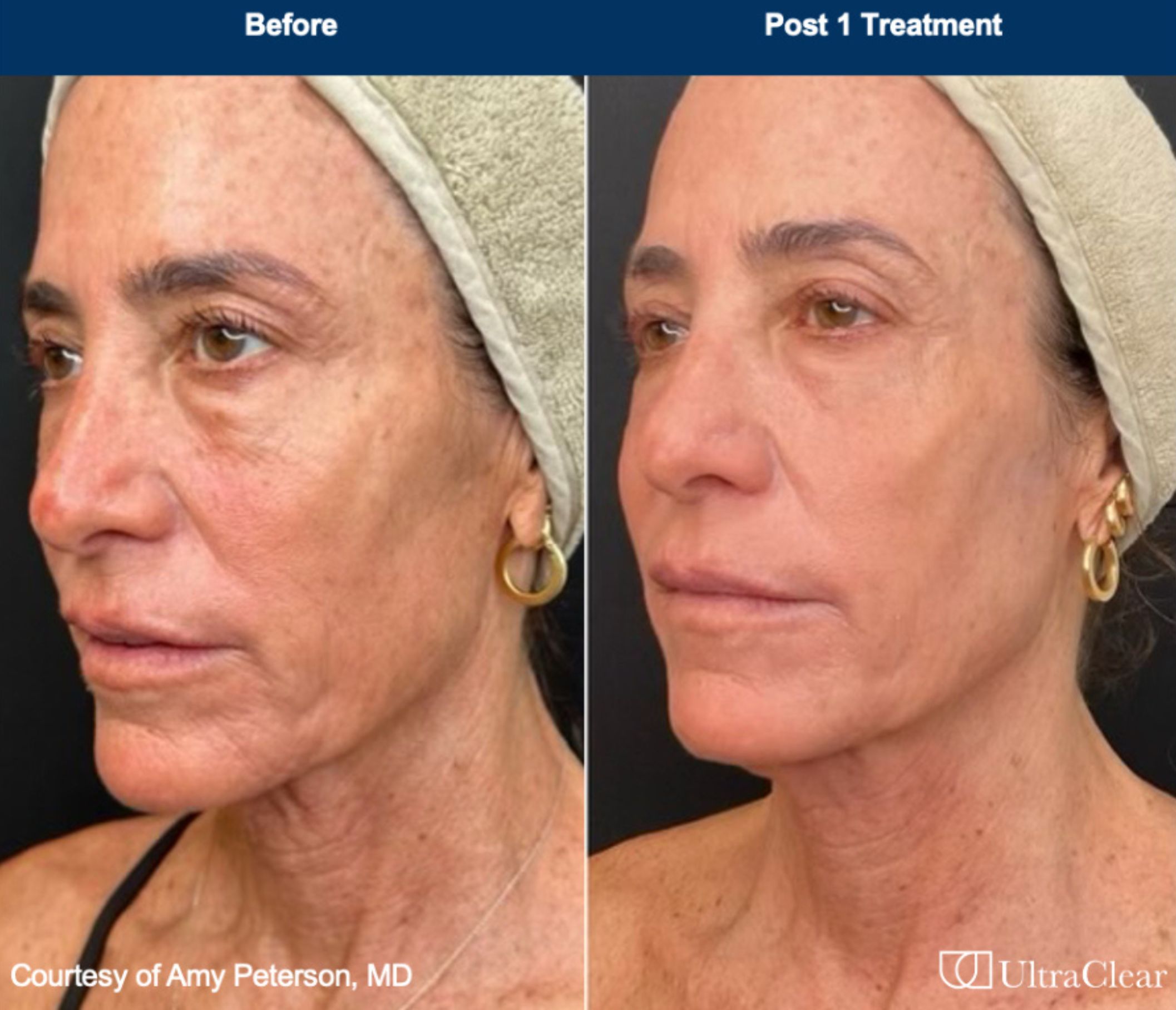
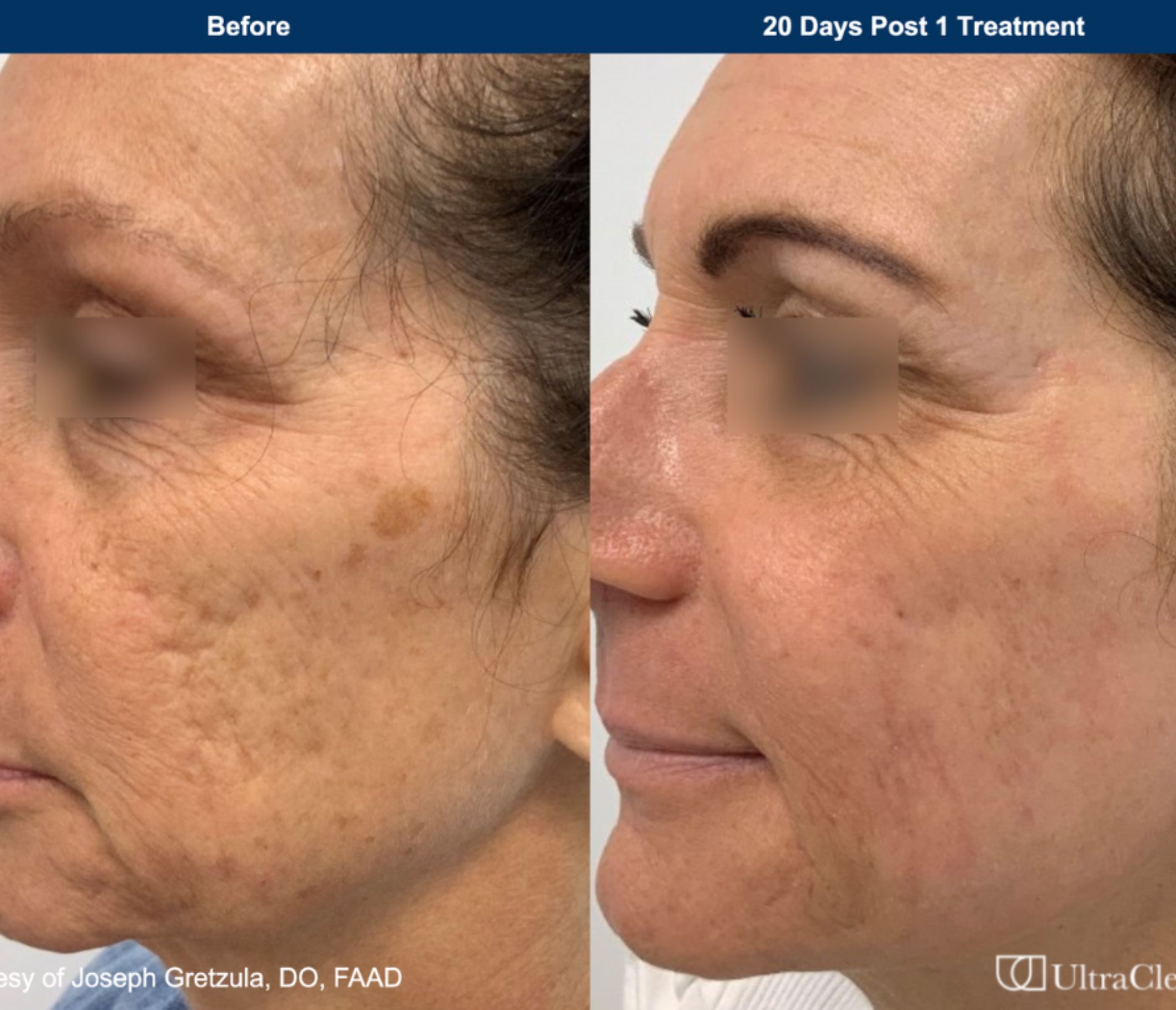
Before and After
Explore real before-and-after results from patients treated at Hortman Clinics. Results vary between patients and may depend on factors including anatomy, skin type, age, medical history, treatment parameters, and individual response. All published patient images are used with appropriate patient consent.
We are here for you. Always.
Everything we do is tailored to your needs, this is why we take our time to take care of you and answer all your questions.