
Skip links

Peptides for Anti-Aging: A Practical Guide

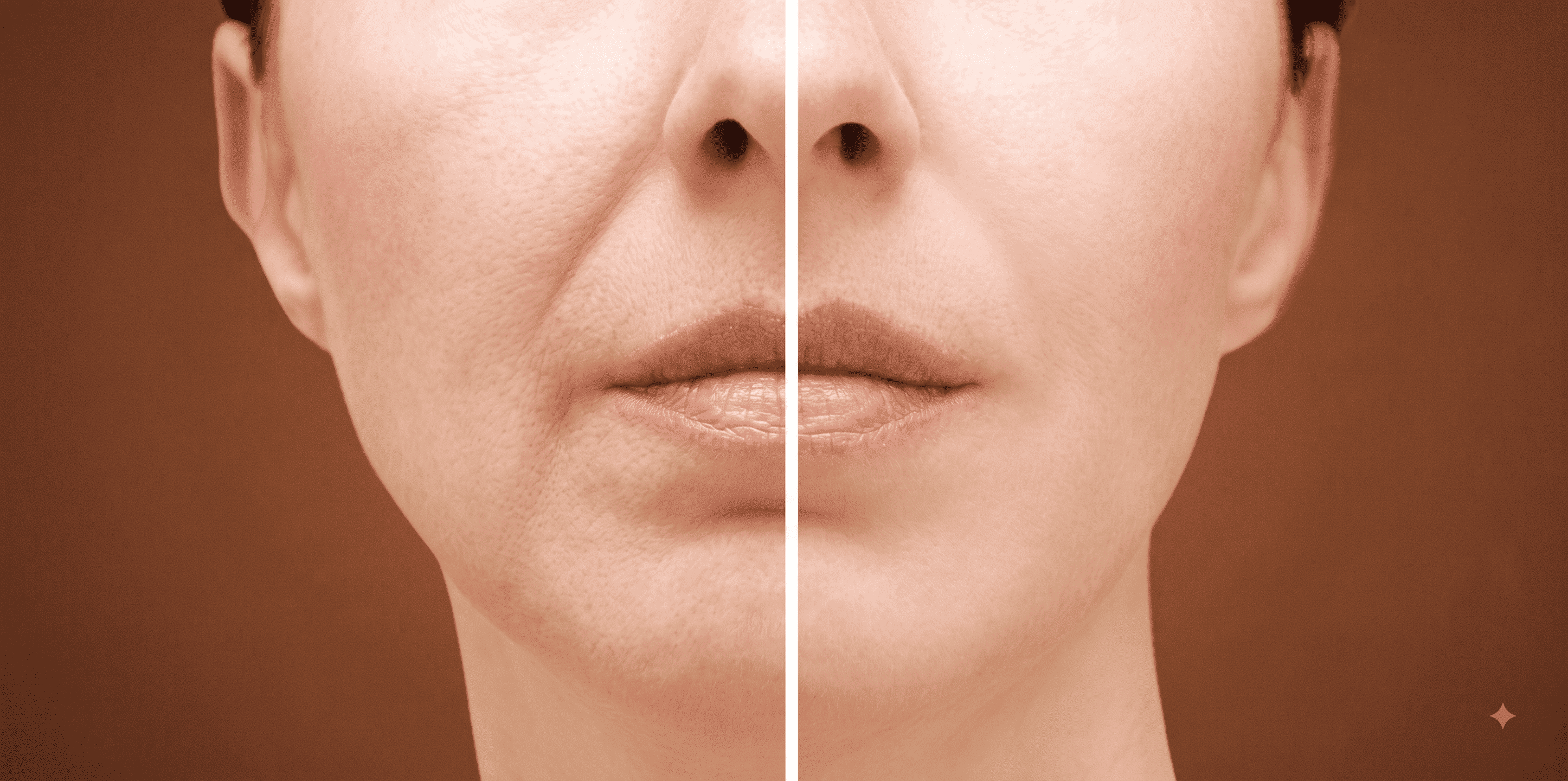
The world of anti-aging skincare can be confusing when you find many unfamiliar ingredients with tall claims promising you quick results. It is but natural to try multiple products to tackle common signs of aging. But many people notice common signs of aging, such as fine lines, wrinkles, reduced firmness, and dull skin, returning. This has led to growing interest in scientifically backed ingredients like peptides, which are widely recognized for their role in enhancing skin health and reducing signs of aging.

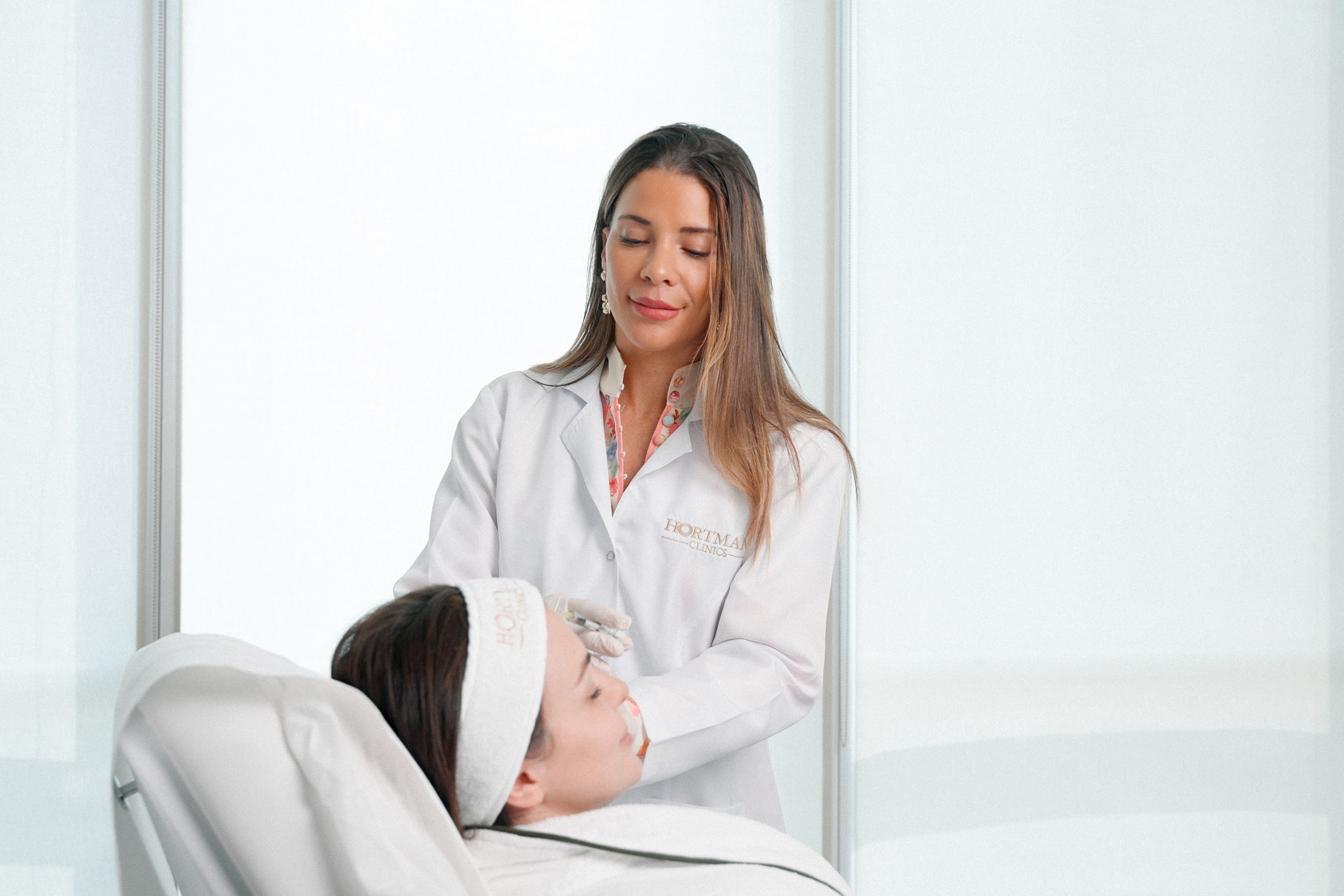
For those seeking long-term and effective anti-aging solutions, Hortman Clinics offers advanced, dermatologist-led treatments in Dubai. One of the most popular options is peptide therapy, designed to rejuvenate the skin while maintaining a gentle approach.

Peptides are short chains of amino acids (the building blocks of proteins) that perform a variety of different roles in the body. They are essentially messenger molecules that tell your body what to do. From a skin perspective, peptides stimulate collagen and elastin production, ensuring it remains firm, radiant, and youthful.

Since peptides are naturally found in the body, peptide therapy delivers subtle yet natural enhancement in your skin, with little or no side effects.

Due to the collagen and elastin-producing properties of peptides, they are increasingly being used for anti-aging treatments.

peptide therapy

How Do Peptides Exert Their Anti-Aging Benefits?

Peptides are increasingly finding a central role in anti-aging cosmetic treatments at clinics like Hortman, the top aesthetic clinic for facial rejuvenation in Dubai. Here’s how they exert their anti-aging effects:

1. Stimulate collagen production

With age, your collagen levels begin to drop, making your skin loose and saggy. Some peptides naturally found in the body can signal the skin to produce more collagen, helping restore some support. However, their levels also drop with age.

This is where peptide therapy comes in!

Administering peptides that stimulate your skin to produce more collagen can, over time, make your skin appear smoother, firmer, and more radiant. Certain peptides can signal your skin to produce more collagen, helping to restore some of that lost support. Over time, this can make skin appear smoother and more resilient.

2. Increase elastin production and improve skin elasticity

Peptides also improve skin elasticity, making it less prone to sagging and giving your skin a more refreshed appearance. They do so by stimulating the production of elastin- another structural fiber found in the skin.

3. Improve hydration

Peptides do not reduce wrinkles overnight. They soften their appearance slowly by improving skin texture and hydration.

4. Strengthen the skin barrier

Speaking of hydration, peptides often help strengthen the skin barrier—the outer layer that protects against moisture loss and environmental stress. A stronger barrier means your skin can retain hydration more effectively, leading to a plumper, healthier look.

All in all, peptides are not a quick fix. Instead, they work gradually, over a period of time, to support your skin and help you age gracefully.

Types of Peptides Used in Skincare

Peptides have been used in skincare for a few years now, with more ongoing research in the field. Different formulations of peptides are available for skincare, each of them designed to target specific skin concerns.

Peptides are also available in two primary modes of application: injectables and topical creams and serums.

1. Injectable peptides

These are administered deeper into the skin, allowing the ingredients to be delivered directly in the dermis (the deeper skin layer). As a result, injectable peptides are more effective at stimulating collagen and reducing fine lines and wrinkles.

2.Topical peptides:

These are typically found in creams and serums, which are applied to the superficial layers of the skin and hydrate, repair, or smooth the fine lines over time.

Depending on your skin concern, our expert peptide medicine experts will prescribe the most suitable peptide formulation for you and ensure it is incorporated well into a structured skincare routine.

Which are the Best Peptides for Anti-Aging?

There isn’t a single ‘best peptide for anti-aging’, because different peptides target specific signs of aging. At Hortman Clinics, your one-stop destination for longevity and wellness, our experts use a combination of peptides for the best results.

Let’s take a look at the most researched and commonly used peptides known for their anti-aging effects!

1. Copper peptides (GHK-Cu)

GHK-Cu Peptide is one of the best peptides for overall skin repair, and it performs the following functions:

The GHK-Cu peptide is one of the most studied peptides with strong evidence for reducing wrinkles and improving skin quality. It is also known for its anti-aging effects and for repairing and regenerating damaged or thinning skin.

The GHK-Cu peptide is an injectable and is designed to provide long-lasting and targeted anti-aging results.

2. BPC-157

BPC-157 peptide is derived from a naturally occurring gastric protein, which is known to accelerate tissue repair at the cellular level.

Additionally, this peptide also has anti-inflammatory properties, which make recovery quick and effective for people undergoing other cosmetic procedures, such as microneedling, PRP, or laser treatments.

3. CJC-1295 + Ipamorelin

CJC-1295 + Ipamorelin peptide stack or combination contains a growth-hormone-releasing hormone (GHRH) analog with a growth-hormone-releasing peptide (GHRP), both of which create a growth hormone signaling boost without overstimulation.

This combination of CJC-1295 + Ipamorelin supports skin repair, improves body composition, and enhances recovery, providing safer anti-aging effects compared to traditional alternatives.

4. MOTS-c

MOTS-c is a mitochondrial peptide that regulates cellular energy production and metabolic efficiency. By improving mitochondrial performance and reducing oxidative stress, MOTS-c peptide supports healthier skin, improves tone and radiance, promotes better recovery, and enhances metabolic health. It also contributes to reducing fatigue.

Peptide creams are ideal for people with dry or mature skin as they improve hydration and strengthen the skin barrier. When applied consistently, these creams can help you maintain a youthful radiance and complexion, while protecting your skin from environmental factors that accelerate skin aging.

At Hortman Clinics, the leading regenerative clinic in Dubai, our experts use multi-peptide complexes that typically include collagen boosters, muscle-relaxing peptides, and repair and regenerative peptides to achieve overall anti-aging effects.

What to Expect from Peptide Therapy?

After undergoing peptide therapy for anti-aging, here are the following benefits you can expect to see:

Gradual, natural-looking results

Unlike aggressive treatments, peptide therapy slowly and naturally improves your skin. You may not wake up to dramatic or overnight changes in how your skin looks, but over the subsequent weeks, you will notice:

The anti-aging effects of peptide therapy are subtle and natural, rather than overdone.

Improved skin firmness

Peptides like GHK-Cu stimulate the skin to produce more collagen and elastin, due to which you can expect:

Reduced fine lines and wrinkles

Certain peptides can help relax the facial muscles, while others assist in rebuilding the skin structure. This combination has a dual effect, which brings about:

Enhanced skin repair and hydration

Peptide therapy also improves hydration and strengthens the skin barrier, making it more resilient. This means:

Who Should Consider Peptides for their Anti-Aging Effects?

Peptide therapy for anti-aging is best suited for people who:

Peptide therapy is a versatile anti-aging treatment suitable for most skin types, including sensitive skin.

If you wish to undergo peptide therapy for its anti-aging benefits, book a consultation with your dermatologist to know if it is the right solution for you!

How to Choose the Right Peptide-Based Products?

To choose the right peptide-based product for your skin, it is important to understand the specific needs of your skin and the formulation of the product. This decision has to be made by a trained, board-certified medical practitioner who will analyze your skin and determine the best peptide formulation to help you achieve your anti-aging skin goals.

Though peptide therapy offers promising anti-aging benefits, one must approach it with caution. Here are a few things to remember before opting for peptide therapy or using peptide-based products

What are the Potential Side Effects of Using Peptides for Anti-Aging?

Peptides must always be administered or prescribed by a medical professional to avoid untoward effects and risk of complications. In people with sensitive skin and those with underlying conditions, peptides must be given only after thorough evaluation, and their skin response must be monitored at all times.

While side effects are minimal, they may occur. Potential side effects include:

Key Takeaways: Are Peptides for Anti-Aging Really Worth It?

Peptides have been found to be effective in reducing early signs of aging and improving how your skin looks and feels with growing age. From reducing fine lines, wrinkles, and age spots to improving firmness, evening out tone, and enhancing complexion, peptides like GHK-Cu, BPC-157, and CJC-1295 + Ipamorelin offer natural yet long-term anti-aging benefits.

While we can’t stop the aging process, we can help you age gracefully!

We are here for you. Always.

Everything we do is tailored to your needs, this is why we take our time to take care of you and answer all your questions.

Book Now

Call Us