


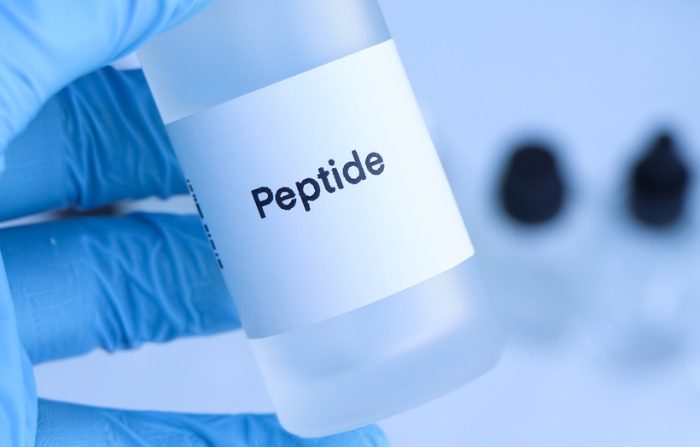
What to consider before starting peptide therapy dubai
What to consider before starting peptide therapy dubai

What Factors Should I Consider Before Starting Peptide Therapy?
If you are convinced about the benefits of peptide therapy and are excited to start treatment, here are a few factors that you must consider before beginning.
There are several peptides already available in the market, and many others are still being studied for their benefits and risks. Also, not all peptides are created equal when it comes to scientific support.
While some have been studied extensively and are FDA-approved for medical use, others are still largely in the experimental stage.
When considering peptide therapy, here are a few things to remember:
- Approved therapies have undergone rigorous testing for safety and effectiveness, and therefore, when administered by a medical professional, they are safe.
- Experimental peptides may lack long-term data or reliable clinical trials.
Like any medical procedure or treatment, peptide therapy does have a few potential risks. Side effects that may occur include:
- Hormonal imbalances
- Water retention
- Injection site reactions
- Headaches or fatigue
With some peptides, the long-term effects are not fully understood. This is especially true for newer or less-researched peptides. To ensure complete safety and best outcomes, medical supervision with peptide therapy is not optional but absolutely critical. A qualified healthcare provider can help monitor your response and adjust treatment as needed.
Avoid relying solely on testimonials or influencer endorsements, as they can be misleading. What works for one person may not work for another. Always look for credible medical sources and clinical studies to ensure the peptides being used are safe and effective.
The legal status of peptide therapy varies depending on where you live. Some peptides are approved for medical use, while others are restricted or only available for research purposes.
In some countries, peptides are sold online as “research chemicals,” which means they are not intended for human use. This immediately creates a grey area, making them risky for use.
It is important to understand the regulations in your region before starting any therapy.
One of the major risks of peptide therapy is the quality of the peptides used. Today, there are several types of medical-grade peptides that are legitimate, but also many unregulated products.
Poor quality peptides are a big No! Because they can be contaminated, incorrectly dosed, or completely counterfeit. This can significantly increase the risk of side effects or render the therapy ineffective. Avoid purchasing peptides from unknown online vendors or other sources; always buy them from licensed, reputable providers.
An important factor most people consider when choosing peptide therapy is the cost of the treatment. Peptide therapy is not a one-time treatment but mostly always requires multiple sessions.
This makes cost per session an important consideration before opting for the therapy. Being realistic about both cost and effort can help you avoid frustration later.
Why Should You Consider Peptide Therapy?
Peptide therapy is a sought-after treatment among athletes and fitness enthusiasts as peptides help improve recovery time and support lean muscle development.
Some peptides also increase growth hormone release, which is important for muscle repair.
Some peptides are associated with better sleep quality and mental clarity. These benefits make peptide therapy particularly useful to people dealing with chronic stress or fatigue.
Despite these potential benefits of peptide therapy, it is essential that you have realistic expectations from the treatment. Results of peptide therapy vary based on several individual factors, the peptide used, and overall health status.
Who Should Avoid or Be Cautious of Peptide Therapy?
What Questions Should I Ask the Doctor Before Peptide Therapy?
Before starting peptide therapy, we highly recommend getting a personalized consultation to understand your suitability for the procedure. Having an open and informed discussion with your doctor can make a significant difference.
It is natural to have many queries regarding peptide therapy, and here are a few important and essential questions you must ask your doctor before considering treatment:
- Will peptide therapy help my specific health goals and condition?
- What are the potential risks and benefits in my case?
- Are other alternatives safer?
- Should I try other treatments before opting for peptide therapy?
- What results can I expect after peptide therapy?
- How long will it take to see the results?
- Will my progress be monitored over time?
A good healthcare provider will always be willing to answer these questions to your satisfaction, clearly and with complete transparency.
Final Thoughts
Peptide therapy is an exciting and promising yet continuously evolving treatment area that promises to improve longevity and wellness. You must understand the benefits, risks, and limitations associated with peptide therapy to ensure you have realistic expectations and avoid unnecessary setbacks.
We understand that it is easy to be drawn to the promising results of peptide therapy, but remember to always consult a qualified medical professional before starting treatment.
Have more questions about peptide therapy? Book your consultation with our experts today!
Final Thoughts
Before starting peptide therapy, you must consult a qualified medical professional to determine if the treatment is suitable for you and can help address your health concerns. You must also know if the peptides are sourced from legitimate sources, which peptides are recommended, and what results to expect after treatment.
HORTMAN CLINICS NEWS
Related News
We are here for you. Always.
Everything we do is tailored to your needs, this is why we take our time to take care of you and answer all your questions.