


Peptides have become increasingly common in discussions of skin rejuvenation, hair health, and anti-aging treatments, appearing in topical products, oral supplements, and emerging therapeutic approaches.
Peptides for hair and skin are small chains of amino acids (building blocks of proteins) that participate in biological pathways involved in skin structure, repair, and hair-follicle activity.
Interest in peptides has increased because certain peptides have been investigated for potential effects on skin appearance, skin repair, and hair biology.
Because the safety and effectiveness of peptide treatments vary substantially by peptide, formulation, and route of administration, discuss treatment decisions with an appropriately qualified healthcare professional.
What are Peptides?
Peptides are short chains of amino acids. Proteins are also made from amino acids, but peptides are generally shorter.
In skincare research, peptides are being studied for their ability to influence biological processes associated with extracellular matrix production, inflammation, pigmentation, cellular signaling, and tissue repair.
Anti-aging peptides can be classified into four groups:
- Signal peptides: These peptides stimulate the processes associated with extracellular matrix proteins.
- Carrier peptides: As the name suggests, carrier peptides participate in transporting trace elements such as copper.
- Enzyme-inhibitor peptides: These peptides may influence enzymes involved in skin aging.
- Neurotransmitter-related peptides: These peptides work at the neuromuscular junction and inhibit the release of acetylcholine ( a neurotransmitter) that tells the muscles to contract.
Which Peptides Are Used or Studied for Skin?
- signal peptides
- copper peptides
- collagen peptides
- other relevant categories
What Are the Potential Benefits of Peptides for Skin Quality?
Research into peptides for skin health is ongoing, and the strength of evidence varies considerably between individual peptides and formulations. Potential areas of interest include:
Hydration is vital for skin health, keeping it looking plump and moisturized. In fact, it is one of the more frequently evaluated outcomes for oral collagen peptides and some peptide formulations.
Some topical peptides have been shown to improve wrinkles in areas such as the forehead and Crow’s feet.
Certain peptides have been investigated for their effects on pathways associated with collagen and extracellular matrix production. Evidence varies by peptide and formulation.
It has been found that inflammation can accelerate aging and contribute to the development of various skin issues, such as acne. Some peptides have been found to show anti-inflammatory activity.
What Does the Evidence Say About Peptides for Hair Growth?
Peptides have been found to work at two levels – the follicle and the hair strand.
At the follicular level, certain peptides have been investigated for their potential effects on signaling pathways involved in follicle activity and the hair-growth cycle. Some findings come from laboratory or preclinical research rather than robust clinical trials.
Along the hair strand, peptides penetrate the cuticle and patch up weak spots, improving strength and smoothness.
Based on how different peptides work, here are a few potential benefits of peptides for hair growth:
GHK-Cu has been investigated for potential effects on processes involved in hair-follicle biology. However, evidence supporting its effectiveness as a hair-loss treatment remains limited and should not be equated with established therapies.
Some biomimetic peptides have been designed to interact with signaling pathways involved in hair-follicle activity. Much of the evidence remains preliminary, and additional well-designed human studies are needed.
Hydrolyzed keratin peptides have been found to penetrate the hair shaft, improving strength, smoothness, and resilience after repeated hair washing and styling.
What Peptide Treatment Options Are Available for Hair and Skin?
Peptide-based products and treatments are available in several forms, but their evidence, regulation, and safety profiles differ.
These forms are the most accessible and widely used peptide products. They often contain signal peptides, copper-containing peptides, or other combined formulations. Topical peptide serums and creams are widely available in skincare and hair-care products.
Formulations may contain signal peptides, copper-containing peptides, or combinations of active ingredients. Their effectiveness depends on the specific peptide, concentration, formulation, skin or scalp condition, and quality of the supporting evidence.
Formulations containing hydrolyzed collagen peptides can be absorbed following digestion. These have been shown to improve skin hydration and elasticity and reduce wrinkles.
Peptide therapy can be administered alongside other cosmetic therapies or anti-aging treatments.
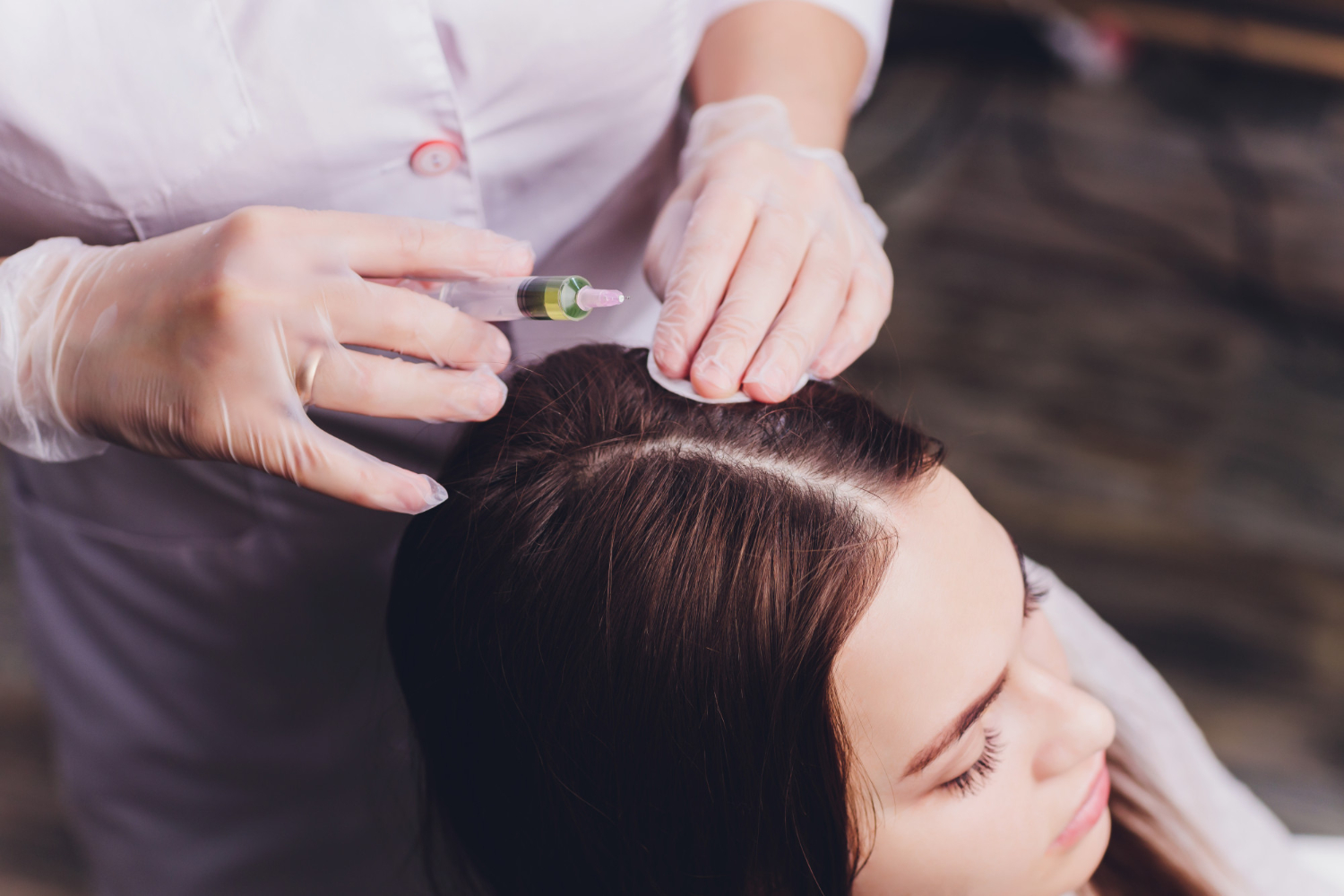
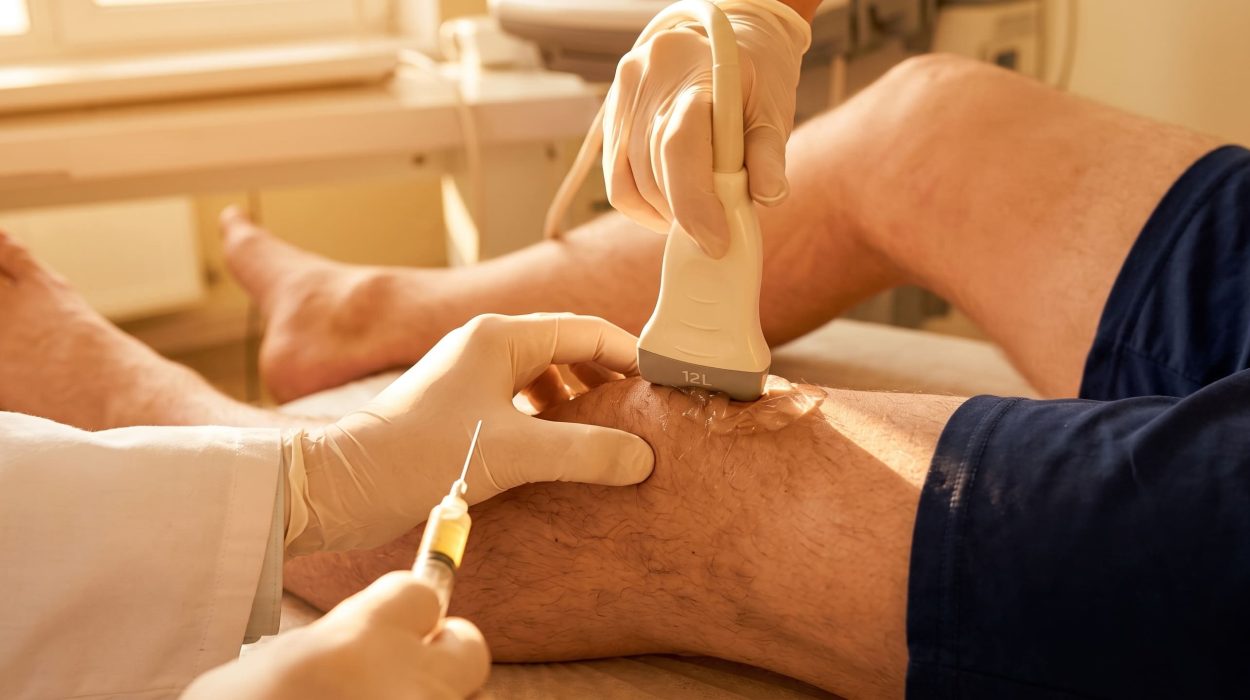
Injectable peptide products require particular caution because safety, quality, regulatory status, and clinical evidence vary substantially between products. Patients should not self-inject or use unverified peptide products. Any injectable treatment should be discussed with an appropriately qualified medical professional.
Peptides vs. Traditional Hair-Loss Treatments: What’s the Difference?
If hair loss has been a persistent concern for you, identifying its cause is important before determining if peptide therapy is the right choice. Hair loss can happen for many reasons, including androgenetic alopecia, telogen effluvium, alopecia areata, nutritional problems, hormonal disorders, inflammatory scalp disease, and other conditions.
During your consultation appointment at Hortman Clinics, Dubai, our expert trichologists identify the cause of your hair loss and suggest the most suitable therapy for you. In many cases, peptide therapy is used as an adjunctive treatment.
There are a few peptide-based treatments for hair loss, but these are still in the early stages of research.
Are Peptides Safe?
The safety of a peptide treatment depends on the specific peptide, formulation, dose, route of administration, product quality, and available human safety data.
- The safety of peptide therapy depends on which peptide is used, how it is formulated, how it is administered, and whether the product has been adequately tested.
- When topical cosmetic peptide formulations are used, irritation or contact reactions are possible. This is also possible when a peptide formulation also contains other components such as retinoids, acids, vitamin C, or other active ingredients.
- Oral collagen peptide trials have generally reported good tolerability, although individual products differ and long-term evidence is not equally strong across all formulations.
- Injectable or compounded peptide products require particular attention to product quality, regulatory status, appropriate prescribing, and medical supervision. Patients should avoid self-administration or products obtained from unverified sources.
- Other side effects that may occur due to incorrect prescriptions, poor product quality, and self-administration of peptides include immunogenicity, aggregation, peptide-related impurities, and limited human safety information.
How to Choose a Peptide Treatment for Skin and Hair?
If you are considering peptide treatment, the right option depends on your specific skin or hair concern, the peptide you are considering, the available clinical evidence, and your medical history.
Peptide therapy is always recommended and administered by a trained healthcare professional, as self-prescription and administration can be risky.
When you are considering peptides for skin and hair, visit our expert at Hortman Clinics, Dubai, for a personalized evaluation.
If you are considering peptides for skin, your doctor will look for:
- A clearly identified peptide rather than simply a peptide complex
- Peptides with adequate human clinical evidence where possible
- Peptide formulations with a transparent ingredient list
- A formulation appropriate for your skin type
If you are considering peptides for hair, a few things your doctor will consider and assess include:
- Type of hair loss or concern being addressed
- Safety of peptide in humans
- Scalp and follicle health
- Overall medical health
- The best mode of administration
- Presence of any contraindications
It is important to have realistic expectations from your peptide therapy and not fall for promises that claim to reverse aging.
Key Takeaway!
Peptide therapy is an active area of dermatologic research, but several peptides have been used for their potential benefits on skin, hair, and anti-aging.
Existing research supports potential improvements in hydration, wrinkles, and some measures of skin appearance, particularly with certain topical formulations and oral collagen-derived peptides. For hair growth, individual peptides have shown encouraging results for conditions like androgenetic alopecia.
If you are struggling with a chronic or persistent skin or hair condition or wish to benefit from the anti-aging or regenerative properties of peptides, book a consultation with a licensed professional at Hortman Clinics today!
We are here for you. Always.
Everything we do is tailored to your needs, this is why we take our time to take care of you and answer all your questions.