

Revision rhinoplasty is a corrective nasal surgery performed after a previous rhinoplasty. It is designed to address concerns that remain unresolved or complications that developed after the first surgery.
Rhinoplasty is a cosmetic surgical procedure that improves the appearance of the nose and, in some people, also improves breathing. While this procedure has a high success rate, many times, the results of the procedure do not meet the patients’ expectations- sometimes aesthetically, functionally, or both. This is when a revision rhinoplasty is required.
If you have queries about a revision rhinoplasty, we’ve got you covered at Hortman Clinics, the best aesthetic clinic in Dubai for skin treatments. Featuring expert cosmetic surgeons, advanced technology, and a state-of-the-art, luxurious clinical environment, your concerns are our top priority.
In this blog, we take you through when a revision rhinoplasty is needed, who needs it, how it is done, and what to expect after the procedure!
What Is Revision Rhinoplasty?
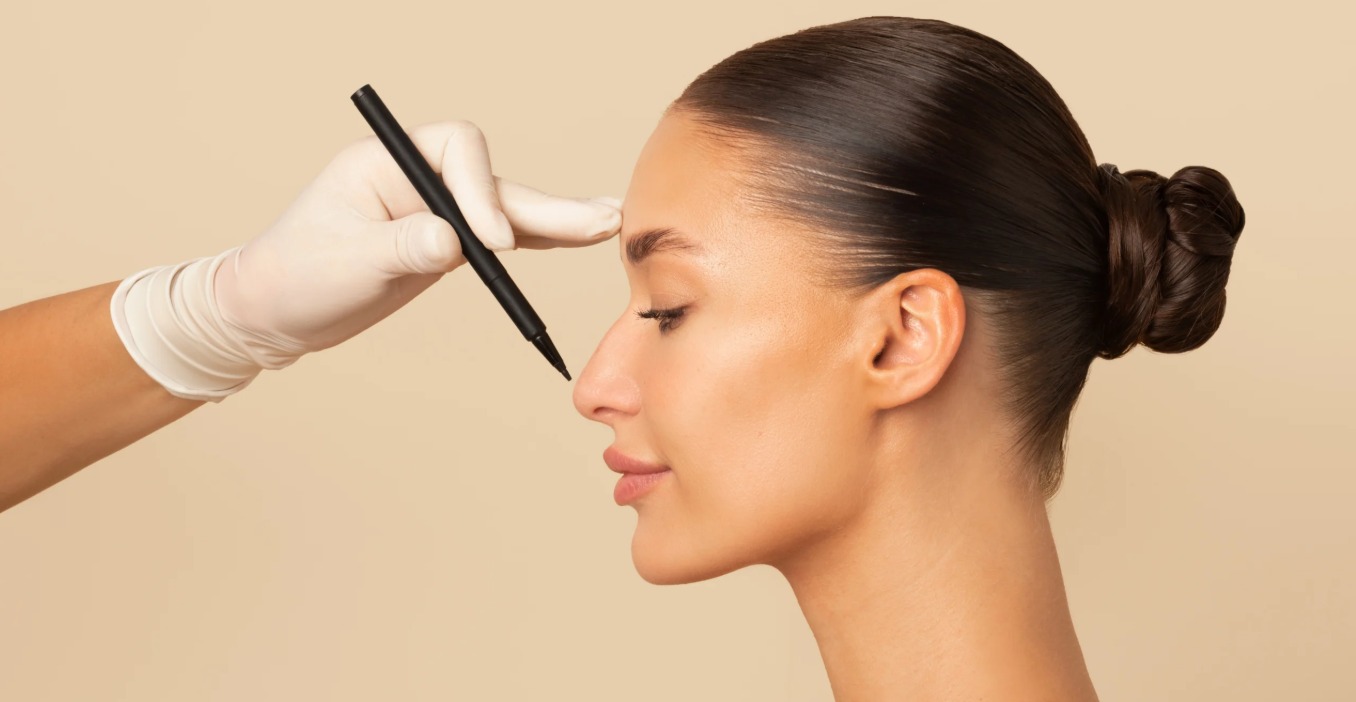
Revision rhinoplasty, also called secondary rhinoplasty or nose reshaping, is performed to improve or correct the results of a previous rhinoplasty. A revision rhinoplasty may be done for aesthetic or functional reasons.
In some cases, the issues are minor and require only small refinements. In other people, this procedure may be performed when the nose requires significant reconstruction using cartilage grafts and advanced surgical techniques.
A revision rhinoplasty may be performed using either an open or a closed approach. Here’s how they are different:
Open revision rhinoplasty
This technique involves making a small cut across the columella (the strip between the nostrils). An open revision rhinoplasty is the most common approach when performing a revision rhinoplasty in difficult or complex cases. Advantages of this technique include:
- Better visibility
- Greater precision
- Easier graft placement
- Improved correction of complex deformities
Closed revision rhinoplasty
In this technique, all the incisions are made inside the nostrils. This technique is preferred for minor revisions and not recommended for major corrections.
Advantages of the closed technique include:
- No visible scars
- Less swelling
- Faster recovery in select cases
When is a Revision Rhinoplasty Required?
A Revision rhinoplasty is required to address several aesthetic and functional nasal concerns after an earlier rhinoplasty, such as a crooked nose, nasal collapse, breathing difficulties, pinched nasal tip, scar tissue deformities, persistent swelling, or asymmetry.
1. Cosmetic dissatisfaction
It is natural to have expectations from a rhinoplasty procedure. However, the final results do not always match your expectations. Sometimes the nose is too large, too small, too narrow, or too unnatural.
Common aesthetic complaints that may prompt people to seek a revision rhinoplasty include:
- A nose that looks “operated on”
- Tip asymmetry
- Residual bumps
- Over-projected or under-projected tip
- Crooked nasal bridge
- Uneven nostrils
Even subtle irregularities can feel significant because the nose sits at the center of the face and influences how you look.
2. Functional issues
For many people, a revision rhinoplasty is necessary to address functional concerns such as breathing difficulties. This may happen due to:
- Collapse of nasal valves
- Excess removal of the nasal cartilage
- Issues with the nasal septum
- Internal scarring after the primary rhinoplasty
- Structural weakness
In these cases, revision rhinoplasty focuses not only on aesthetics but also on restoring nasal function.
3. Healing changes over time
The immediate results after a rhinoplasty may make your nose look good. However, as healing progresses and swelling reduces, changes may occur once scar tissue forms. A few common issues that may become apparent after several months of a primary rhinoplasty include:
- Drooping of the nose tip
- Scar contracture
- Asymmetry
- Collapse during breathing
4. Trauma after rhinoplasty
Injury to the nose after primary rhinoplasty can also affect the results and require corrective treatment.
Emotional Impact of a Failed Rhinoplasty
While aesthetic and functional aspects of a failed rhinoplasty are largely spoken about, one aspect that is often overlooked is the emotional impact of unsatisfactory rhinoplasty. Many people may experience:
- Loss of confidence
- Anxiety about appearance
- Social self-consciousness
- Regret or embarrassment
- Fear of another surgery
If this is you, the first thing to do is acknowledge that your feelings are valid and seek timely care. If your nose is affecting your confidence or quality of life, consult a qualified surgeon who can help you better understand your options better.
Are You a Good Candidate for Revision Rhinoplasty?
You may be a suitable candidate for a revision rhinoplasty if you are unhappy with the results of a previous rhinoplasty or are experiencing breathing difficulties or visible deformities following the primary rhinoplasty procedure. Additionally,
- Your nose must completely heal from the first surgery
- You should be in good general health
- You must have realistic expectations
- You must be emotionally prepared for another surgery
It is important to understand that revision surgery aims for improvement, not perfection. A skilled cosmetic surgeon can often help in substantial enhancement, but the outcome depends on factors such as skin thickness, scar tissue, and available cartilage support.
When is the Right Time for Revision Surgery?
If you wish to undergo a revision rhinoplasty, an important question that comes to mind is, “When is the right time?”
Most surgeons recommend waiting at least 12 months after the primary rhinoplasty before considering revision surgery. This is because:
- Swelling after a rhinoplasty can last for many months
- Scar tissue continues to mature
- Nasal shape changes gradually during healing
- Early surgery may worsen inflammation and scarring
In people with thick skin or who have undergone extensive primary rhinoplasty, healing may take as long as 18 months. We understand that waiting can feel emotionally difficult, but operating too early often compromises results.
Discuss your concerns with the cosmetic surgeon at Hortman Clinics during your consultation appointment.
Is a Revision Rhinoplasty More Complex Than a Primary One?
Yes, a revision rhinoplasty is more technically challenging than a primary rhinoplasty. In fact, it is considered one of the most challenging facial plastic surgeries. Here are a few factors that contribute to the complexity of this procedure:
Prior rhinoplasty surgery can create scar tissue that distorts normal anatomy, making dissection more difficult during the revision procedure
Cartilage removed during the first surgery may leave the nose weaker and less stable. This can affect the surgical procedure and results of a revision rhinoplasty.
During a primary rhinoplasty, surgeons can rely on landmarks in the nasal anatomy. However, during a revision rhinoplasty, these landmarks may no longer be intact or symmetrical.
During a primary rhinoplasty, septal cartilage may already have been used. So, during a revision rhinoplasty, the surgeon may need to harvest material from the ear or the ribs.
People undergoing revision rhinoplasty are often more anxious and detail-focused because of prior disappointment.
What Happens During a Revision Rhinoplasty?
A revision rhinoplasty begins with a detailed consultation with a cosmetic surgeon. During the consultation, your surgeon will:
- Review your operative history
- Examine the nasal structure internally and externally
- Assess breathing function
- Discuss previous complications
- Take photographs
- Evaluate skin quality and scar tissue
- Explain realistic goals
It will be extremely helpful if you can bring operative notes from your first surgery, as this will help the surgeon understand the techniques, materials, and postoperative healing.
Honest communication is critical during this stage.
How to Prepare for a Revision Rhinoplasty?
At Hortman Clinics, Dubai’s leading aesthetic and plastic surgery clinic, preparation for a revision rhinoplasty typically includes:
- Stopping smoking several weeks before surgery
- Avoiding blood-thinning medications
- Completing medical evaluations
- Planning adequate recovery time
- Maintaining stable health and nutrition
Additionally, mental preparation is equally important. Revision surgery can improve confidence and comfort, but healing requires patience.
Grafts used during a revision rhinoplasty
Additionally, mental preparation is equally important. Revision surgery can improve confidence and comfort, but healing requires patience.
- Septal Cartilage: Taken from the nasal septum of the individual (if enough remains after the primary rhinoplasty)
- Cartilage from the ear lobe: This is useful for softer contouring and tip support.
- Rib cartilage: Cartilage may be taken from the ribs in cases requiring major reconstruction and larger structural support.
What Does the Recovery Timeline Look Like After a Revision Rhinoplasty?
The recovery following a revision rhinoplasty is often longer than after primary surgery. Here’s what you can expect week-wise:
- Swelling and bruising are at their peak
- A nasal splint remains in place
- Mild discomfort and congestion are common
- Bruising and swelling reduce gradually
- You can return to work and your regular routine
- Nasal definition slowly improves
- Tip swelling persists longer
- The final results of the procedure more evident
- Scar tissue continues to soften
You must be patient during the healing phase after a rhinoplasty because revision rhinoplasty cases tend to heal more slowly.
Are There Risks of a Revision Rhinoplasty?
A revision rhinoplasty is a surgery, and as with any surgery, it carries risks. These may include:
- Persistent asymmetry
- Bleeding
- Infection
- Scar tissue formation
- Breathing issues
- Prolonged swelling
- Need for further revision
To reduce the risks associated with revision rhinoplasties, it is important to choose a trained, experienced, and board-certified cosmetic surgeon.
What to Expect After a Revision Rhinoplasty at Hortman Clinics?
A revision rhinoplasty can create dramatic improvements, but you must have realistic expectations. The primary goals of revision rhinoplasty typically include:
- Achieving better facial harmony
- Improving nasal function
- Giving you a more natural appearance
- Scar tissue formation
- Breathing issues
- Prolonged swelling
- Need for further revision
It is important to understand that perfection is rarely achievable in revision surgeries, especially when there has been significant prior alteration or scarring. Unlike primary rhinoplasty, revision procedures are often more delicate and technically demanding.
How to Choose the Right Cosmetic Surgeon for a Revision Rhinoplasty?
When considering a revision rhinoplasty, selecting the right surgeon is one of the most critical decisions you will make. Choose a surgeon who:
- Specializes in revision rhinoplasty
- Is willing to show you before-and-after examples of complex revisions they have operated on
- Understands both cosmetic and functional correction
- Takes time to explain limitations realistically
- Makes you feel heard and comfortable
At Hortman Clinics, revision rhinoplasty procedures are performed by trained, skilled cosmetic surgeons experienced in achieving the most successful outcomes.
Final Thoughts
Revision rhinoplasty is about more than correcting a nose. For many people, it is about correcting functional issues and improving trust in themselves after an experience that did not go as expected.
If you are considering a revision rhinoplasty, know that you are not alone, and that feeling disappointed after rhinoplasty is more common than many realize.
The key is to approach a revision rhinoplasty with patience and realistic expectations. Remember to take your time to choose a highly experienced cosmetic surgeon who understands both the technical and emotional complexities involved in a revision rhinoplasty.
If you are considering a revision rhinoplasty, schedule a personalized and private consultation with our expert surgeons at Hortman Clinics.
Frequently Asked Questions
Is revision rhinoplasty more painful than a primary rhinoplasty?
A revision rhinoplasty is performed under anesthesia, similar to a primary rhinoplasty. Most people describe discomfort rather than severe pain following a revision rhinoplasty. However, swelling and recovery after a revision rhinoplasty may last longer than after a primary one.
How many revision rhinoplasties can be done?
Technically, multiple revision rhinoplasties are possible. However, with each surgery, the case becomes more complex due to increasing scar tissue and reduced support.
Will I need rib cartilage during a revision rhinoplasty?
Not everyone requires rib cartilage during a revision rhinoplasty. A rib cartilage is typically used when significant structural reconstruction is required.
Can revision rhinoplasty fix breathing issues?
Yes. In several cases, a revision rhinoplasty is performed to specifically improve airflow and correct nasal valve collapse or septal problems.
Book your consultation today!
Everything we do is tailored to your needs, this is why we take our time to take care of you and answer all your questions.