


Written by: Hortman Clinics Editorial Team
Medically reviewed by:Dr. Karem Harb
Last medically reviewed : November 25, 2026
Skin pigmentation can be concerning and embarrassing for many people. Sun exposure, hormonal changes, aging, and inflammation can all contribute to pigmentation, dark spots, and uneven skin tone. Over time, these concerns may become more noticeable, particularly on the face, neck, chest, and hands.
While topical skincare products can help manage mild pigmentation, some stubborn or deeper pigment concerns may require professional dermatological treatments.
Two popular technologies used for skin rejuvenation and pigmentation management are BBL (BroadBand Light) and pico laser, both available at Hortman Clinics, Dubai. BBL and pico laser use light-based energy to target skin concerns, but are suitable for different conditions and work differently.
Let’s understand more about which one – BBL or pico laser – is better for sun spots, dark patches, and uneven skin tone!
What is BBL Treatment?
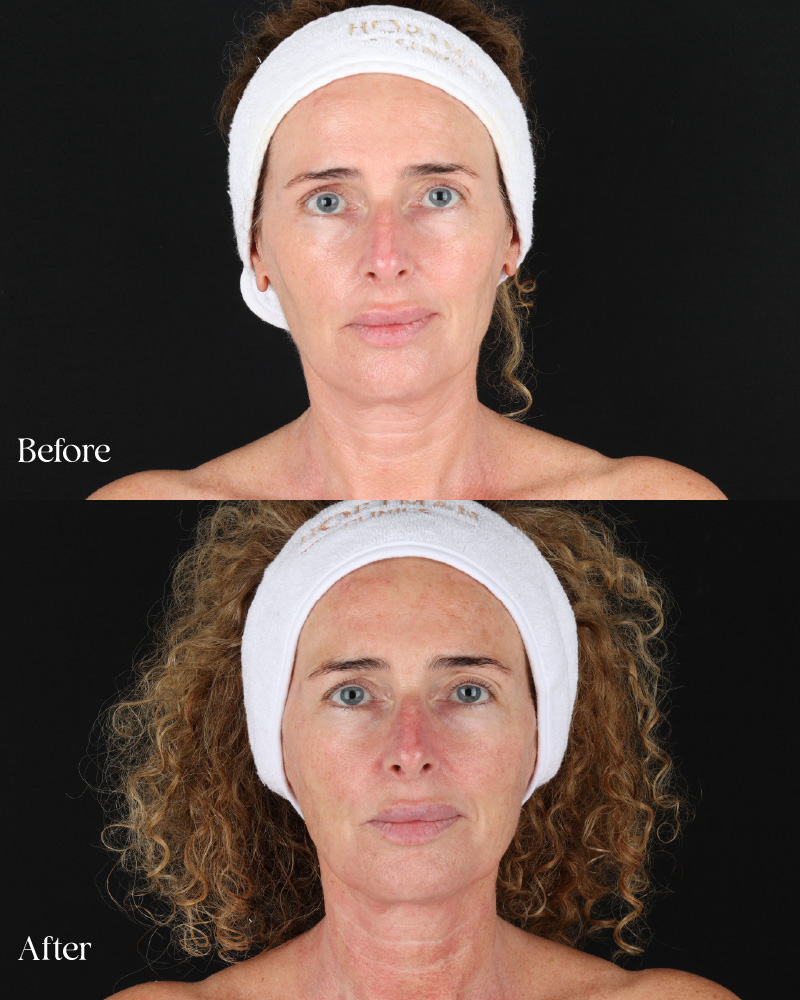
BroadBand Light or BBL is an advanced intense pulsed light (IPL) treatment used to rejuvenate the skin and address specific types of pigmentation issues. Unlike lasers, which generally deliver light at a specific wavelength or narrow wavelength range, BBL uses filtered broadband light to target selected skin concerns, including certain types of pigmentation and redness.
Depending on the device and filters used, BBL energy can target melanin (the pigment responsible for skin color) and hemoglobin (the pigment in red blood cells), making it useful in treating certain types of pigmentation, redness, and visible signs of photoaging.
How Does BBL Work?
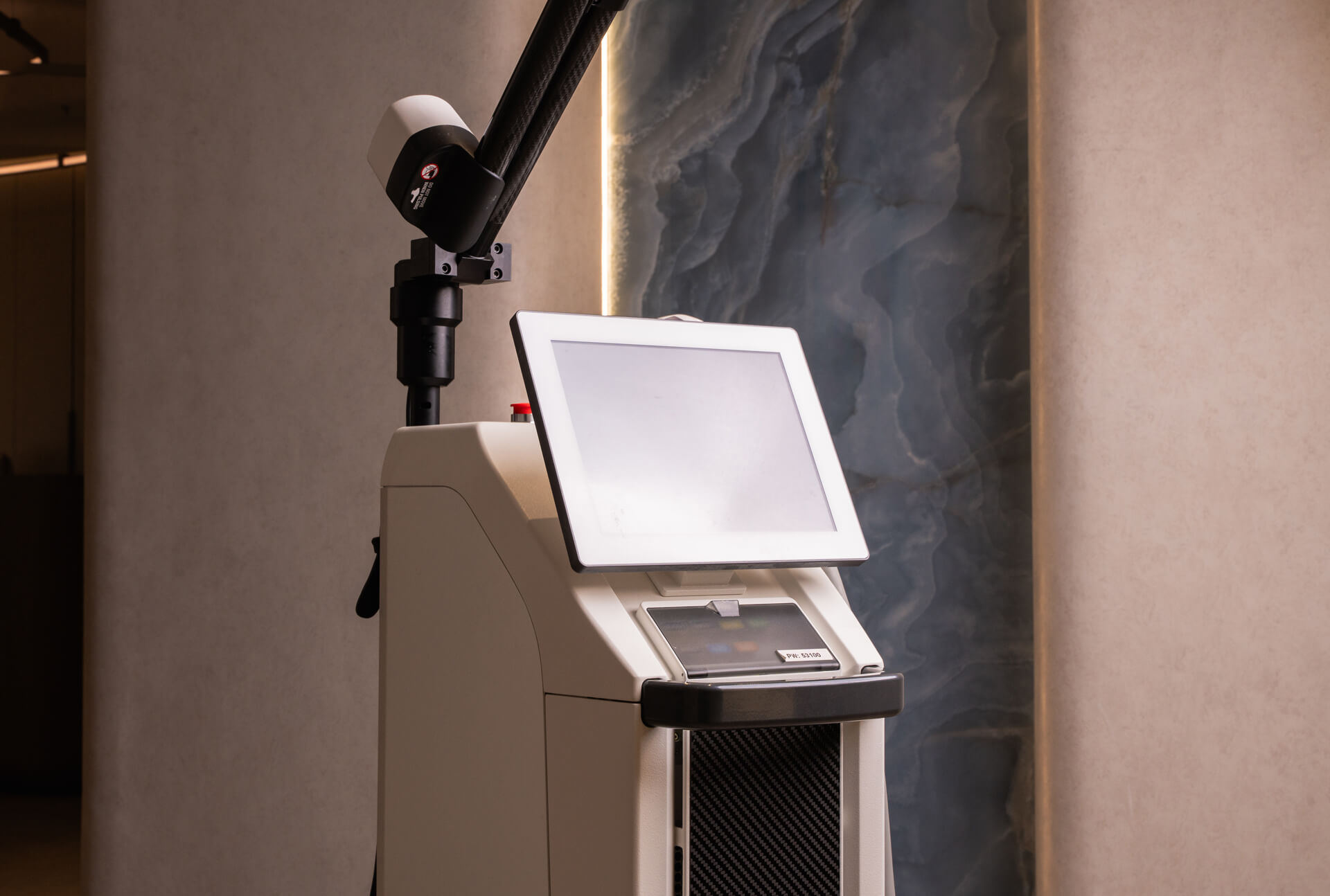
- During treatment, the dermatologist delivers controlled pulses of filtered light to the skin.
- Melanin in the target area absorbs this energy and gets heated up.
- This heat breaks down the pigment structure into smaller particles, which the body can clear more easily.
Following the session, some brown spots may temporarily darken, develop a fine crust-like appearance, or become more noticeable before gradually fading. This is an expected response in certain patients, although the reaction varies according to the device settings and skin condition.
What are the Benefits of BBL Treatment?
A few potential benefits of BBL treatment include:
- Improvement in selected superficial brown spots
- Reduction in certain forms of sun-related pigmentation
- Improved diffuse facial redness
- Even-looking skin tone
- Ability to treat multiple areas of sun damage in one session
The number of sessions you need depends on the severity of pigmentation, treatment settings, and individual response.
Skin Concerns It Can Treat
Our DHA-licensed dermatologists typically consider a pico laser treatment for individuals with:
- Selected dark spots and solar lentigines
- Freckles
- Some epidermal pigment lesions
- Selected cases of melasma
- Post-inflammatory hyperpigmentation in carefully selected patients
- Tattoo removal
- Certain textural concerns and acne scars
How Does Pico Laser Work?
Our DHA-licensed dermatologists typically consider a pico laser treatment for individuals with:
- Selected dark spots and solar lentigines
- Freckles
- Some epidermal pigment lesions
- Selected cases of melasma
- Post-inflammatory hyperpigmentation in carefully selected patients
- Tattoo removal
- Certain textural concerns and acne scars
Benefits of Pico Laser
Potential benefits include:
- Targeted treatment of selected pigmented lesions
- Improvement in certain types of stubborn pigmentation
- Tattoo ink removal
- Reduced injury due to heat compared with some longer-pulse laser approaches
Pico laser may require multiple sessions to reduce widespread or persistent pigmentation.
BBL vs. Pico Laser: Key Differences
| BBL | Pico laser |
|---|---|
| Technology - Broad-spectrum pulsed light (IPL) | Technology - Picosecond laser |
| Primary mechanism - Selective photothermal effect | Primary mechanism - Predominantly photoacoustic effect |
| Main target - Melanin and hemoglobin | Main target - Targeted pigment particles |
| Used to treat - Sun spots, freckles, redness and photoaging | Used to treat - Selected dark spots, pigment lesions and tattoos |
| Other benefits - ● Can treat large areas on the skin ● Limited downtime ● Can be used for photo rejuvenation | Other benefits - ● Can target specific lesions or larger areas ● Limited downtime |
Which Technology is Better for Sun Damage?
Sun damage, or photoaging, is a common skin concern that develops after repeated exposure to ultraviolet radiation when you spend time in the sun. It can appear as brown spots, freckles, uneven pigmentation, redness, fine lines, and changes in skin texture.
BBL may be a suitable option for some people with superficial sun damage, particularly when brown spots and diffuse redness occur together. However, a pico laser may be effective when individual pigmented lesions require more targeted treatment.
When it comes to sun-damaged skin, the most suitable choice depends on the distribution, depth, and nature of the pigmentation.
Which is Better for Dark Spots and Uneven Skin Tone?
If you are struggling to get rid of dark spots, identifying the underlying cause is important to address them. Dark spots can develop for several reasons, such as sun exposure, acne, inflammation, hormonal changes, and aging. Each type of pigmentation requires a different approach:
- For superficial sun spots: BBL and pigment-specific lasers, such as the pico laser, may be considered, depending on skin type and lesion characteristics.
- For post-acne pigmentation: At Hortman Clinics, Dubai, picosecond lasers like the PicoWay or the PicoGenesis may be considered for selective cases of post-acne pigmentation. However, it is important to control active acne and inflammation before the laser is used.
- For melasma: Melasma can recur or worsen after energy-based treatments. While both BBL and pico lasers can be used to treat melasma, a proper medical consultation with a dermatologist is necessary.
- For general uneven skin tone: Our dermatologists at Hortman Clinics typically recommend topical treatments, chemical peels, BBL, pico laser, or a combination approach, depending on the diagnosis and underlying cause of the uneven skin tone.
Recovery and Aftercare: What Should You Expect?
Recovery after BBL and picosecond lasers varies depending on the device, treatment intensity, and individual skin response.
After a BBL or picosecond laser session for treating pigmentation, you can expect:
- Mild redness and warmth, which is temporary
- Temporary darkening of the pigmented areas before they fade
- Mild swelling
- Temporary sensitivity
- Mild crusting
Essential Aftercare Tips
After either procedure, our dermatologist or laser therapist will give you a set of aftercare tips and instructions to ensure adequate healing and minimal risk of complications. They typically recommend that you:
- Apply a broad-spectrum SPF 30 or higher sunscreen as advised by your dermatologist
- Avoid unnecessary direct sun exposure
- Use gentle skincare products during the initial healing period
- Avoid exfoliating acids and retinoids until cleared by your treating doctor
- Avoid picking or scratching treated areas
- Attend recommended follow-up appointments
How To Choose Between BBL and Picosecond Laser?
Neither is universally better than the other. Both BBL and picosecond lasers have their own indications, benefits, and drawbacks, and their suitability depends on your skin condition and treatment goals.
BBL is considered when you have:
- Selected superficial sun spots
- Freckles
- Diffuse redness
- Multiple signs of photoaging
- A skin type that is suitable for the treatment
A picosecond laser is more effective when you have selected pigmented lesions, certain persistent dark spots, or other conditions that may benefit from picosecond laser technology.
Our dermatologists may consider other treatments when you have active melasma, significant post-acne inflammation, unexplained pigmentation, or a condition requiring medical management before energy-based procedures.
The dermatologist will evaluate the type of pigmentation, skin phototype, medical history, previous treatments, and risk of post-treatment pigmentation before creating a treatment plan tailored to your needs.
Key Takeaways
BBL and pico lasers like the PicoGenesis and PicoWay use completely different technologies and are used to address selected pigmentation concerns and signs of skin aging. BBL is commonly used for superficial sun damage, brown spots, and redness, whereas the picosecond lasers provide targeted pigment fragmentation and may be suitable for certain persistent pigmented lesions.
The right treatment depends not on which technology is newer or more advanced, but on your pigmentation type, skin tone, and individual response.
If you have stubborn or persistent pigmentation and uneven skin tone, get a skin analysis with our board-certified, DHA-licensed, experienced dermatologists at Hortman Clinics.
Key Takeaways
Neither is better than the other. BBL is usually preferred for selected superficial sun spots and diffuse redness, while pico lasers are more useful for targeted pigment lesions. The diagnosis and skin type determine the most suitable option.
Pico lasers like the PicoWay and PicoGenesis used at Hortman Clinics are advanced laser machines that have been shown to significantly improve selected sun spots. However, these lasers cannot prevent new pigmentation from developing due to continued sun exposure.
BBL requires careful assessment in darker skin tones, particularly Fitzpatrick types IV and V, because of the risk of burns and post-inflammatory hyperpigmentation. Treatment should only be considered after evaluation by an experienced dermatologist.
Both may be considered in selected cases, but melasma is difficult to manage and has a tendency to recur. PicoGenesis has been shown to improve the appearance of melasma, but medical treatment and photoprotection are essential.
The number of sessions of BBL and picosecond lasers depends on the type and depth of pigmentation, the device used, and individual response. Some superficial lesions may respond within a few sessions, while persistent pigmentary conditions may require long-term management.
In some patients, the dermatologist may recommend using different technologies as part of a tailored treatment plan. However, combining procedures does not automatically improve results and may increase irritation or pigmentation risks if performed inappropriately.
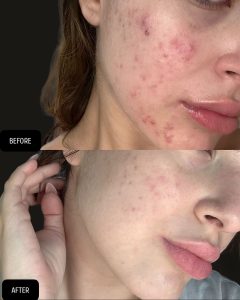
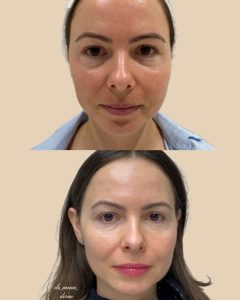
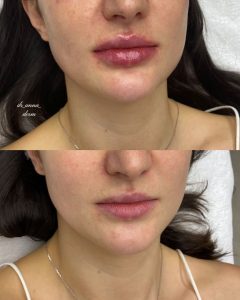
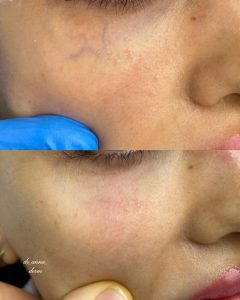
Before and After
Explore real before-and-after results from patients treated at Hortman Clinics. Results vary between patients and may depend on factors including anatomy, skin type, age, medical history, treatment parameters, and individual response. All published patient images are used with appropriate patient consent.
HORTMAN CLINICS NEWS
Related News

We are here for you. Always.
Everything we do is tailored to your needs, this is why we take our time to take care of you and answer all your questions.