

Written by: Hortman Clinics Editorial Team
Medically reviewed by:Dr. Karem Harb
Last medically reviewed : November 23, 2026
Breast augmentation is a popular plastic surgery procedure performed to alter the size and shape of a woman’s breasts. If you are considering breast augmentation, you may have come across two options – breast fat transfer and breast implants. While both procedures enhance breast shape and size, they work in different ways and suit different aesthetic goals.
At Hortman Clinics, our DHA-licensed, board-certified plastic surgeons assess your individual needs, aesthetic goals, and medical history to recommend the most suitable breast augmentation option. In this blog, we explore how each procedure works, its benefits, potential risks, key differences, and what to consider when choosing between breast fat transfer and breast implants.
What is Breast Fat Transfer?
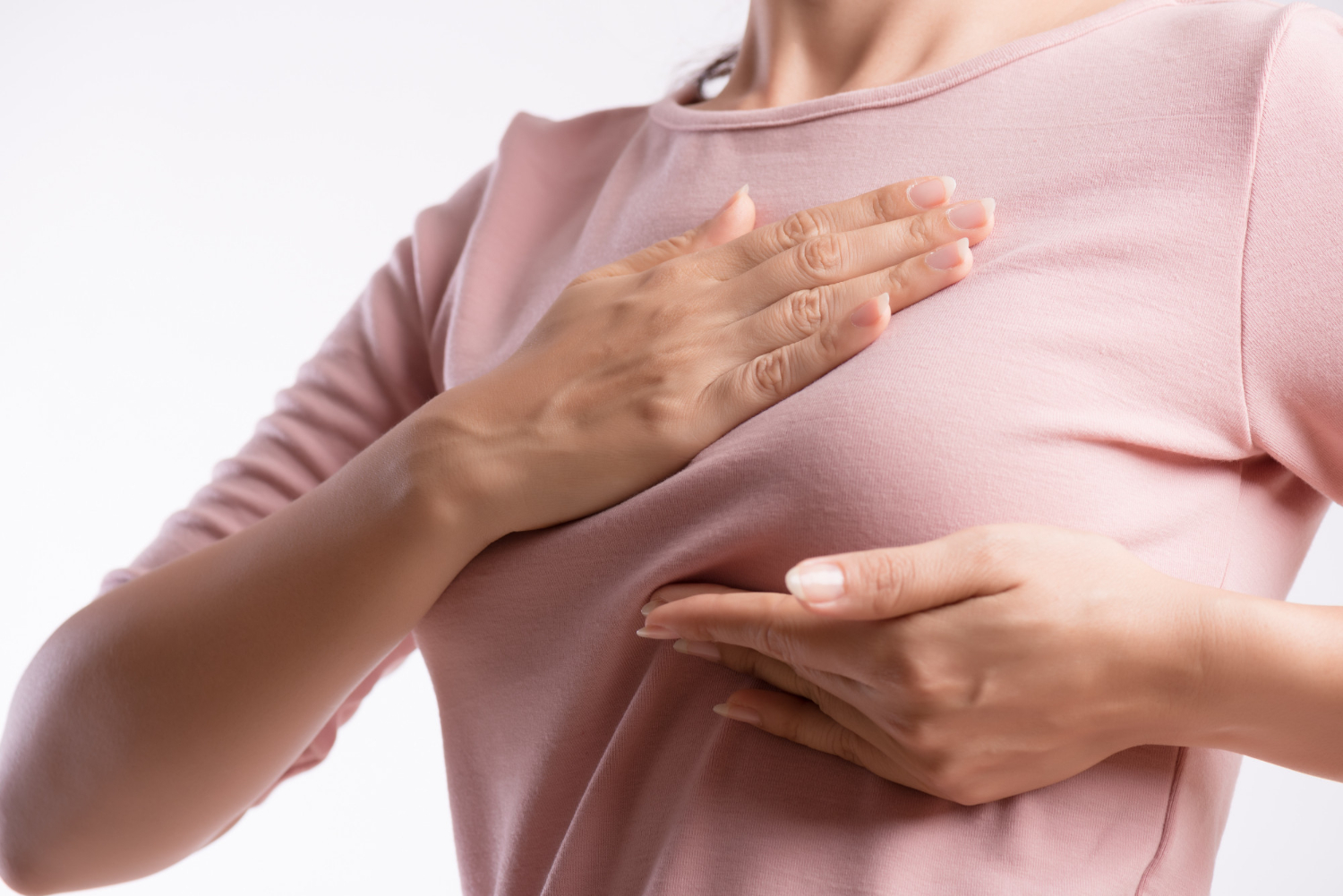
Breast fat transfer, also known as autologous fat grafting, is a procedure in which a plastic surgeon uses fat from the patient's own body to add volume to the breasts. The surgeon removes fat from areas such as the abdomen or thighs using liposuction. The harvested fat is then processed and carefully injected into the breasts in small amounts.
Since this procedure does not involve breast implants, no artificial implant is placed in the body. It may appeal to individuals seeking a two-in-one approach, where breast volume is enhanced while excess fat is removed from another area of the body, potentially creating a slimmer contour.
The main limitation of breast fat transfer is the amount of volume that can be added. It typically provides a subtle, natural-looking enhancement rather than a dramatic increase in breast size. The procedure also requires sufficient donor fat, and some of the transferred fat may be naturally reabsorbed by the body.
Who is an ideal candidate for breast fat transfer?
Fat transfer may be a good fit for women who:
- Want a small to moderate increase in their breast size.
- Prefer a natural look and feel.
- Have sufficient body fat available for harvesting.
- Wish to avoid breast implants.
- Are comfortable with the possibility of requiring a second session.
Is breast fat transfer safe?
Breast fat transfer is an increasingly established procedure, although research into its long-term outcomes continues. When performed by an experienced, board-certified plastic surgeon on appropriately selected patients, breast fat transfer is generally considered safe. However, not all transferred fat cells survive, as some fat may be naturally reabsorbed by the body during the healing process.
Although serious complications are uncommon, breast fat transfer carries potential risks and side effects, including fat necrosis, oil cysts, lumps, infection, and uneven breast contours.
Regular breast screening remains important following fat transfer. Changes such as fat necrosis, oil cysts, and calcifications may appear on mammograms or other breast imaging examinations. Patients should inform their radiologist about any previous breast fat transfer procedures to support accurate interpretation of screening results.
To minimize potential risks and achieve realistic outcomes, it is important to choose a qualified, experienced, board-certified plastic surgeon and continue routine breast screening as recommended by your healthcare provider.
What are Breast Implants?
Unlike breast fat transfer, breast implants are medical devices surgically placed behind the breast tissue or beneath the chest muscle to enhance breast size, shape, and volume. There are two main types of breast implants:
- Saline Breast Implants: Filled with sterile salt water (saline solution).
- Silicone Gel Breast Implants: Filled with silicone gel designed to provide a natural look and feel.
Both types have a silicone outer shell and are available in different sizes, shapes, and surface textures to accommodate individual body proportions and aesthetic goals.
Breast implants can provide a more noticeable and predictable increase in breast size and shape compared to fat transfer. They may be particularly suitable for women seeking a significant enhancement or those who do not have sufficient body fat available for harvesting. However, breast implants require long-term monitoring and may need replacement or additional surgery in the future.
Who is a good candidate for breast implants?
Breast implants may be a suitable option for women who:
- Want a more noticeable increase in breast size or a significant change in breast shape.
- Have limited body fat available for fat transfer.
- Prefer a more predictable and precisely planned breast augmentation result.
- Are comfortable with long-term monitoring, regular check-ups, and the possibility of additional surgery in the future.
What are the risks of breast implants?
Breast implants are medical devices placed inside the body to enhance breast size and shape. While breast augmentation with implants is a well-established surgical procedure, it is natural for patients to have questions about their safety, potential complications, and long-term outcomes.
Potential risks include capsular contracture, implant rupture, changes in breast or nipple sensation, infection, and the possibility of additional surgery. Patients should understand these risks and discuss them with a qualified, board-certified plastic surgeon before undergoing breast augmentation.
Some potential complications associated with breast implants include:
- Capsular Contracture: Scar tissue surrounding the implant tightens, potentially causing the breast to feel firm, become uncomfortable, or appear misshapen.
- Implant Malposition: The breast implant shifts from its intended position, potentially affecting breast symmetry and appearance.
- Rippling or Wrinkling: Folds or wrinkles in the implant may become visible or noticeable beneath the skin.
- Implant Deflation or Rupture: Saline implants may lose volume if they leak, while silicone implant ruptures may not cause noticeable symptoms.
- Infection: Bacterial infection may develop around the implant and could require medical treatment or implant removal.
- Seroma: Fluid may accumulate around the breast implant following surgery.
- Implant Palpability: The edges or surface of the implant may be felt through the breast tissue, particularly in patients with limited natural breast tissue.
Breast implants also carry uncommon but important risks, including breast implant-associated anaplastic large cell lymphoma (BIA-ALCL), which has been associated particularly with textured implants, and other rare implant-associated cancers.
The U.S. Food and Drug Administration (FDA) recommends the following precautions:
- Routine Implant Monitoring: Patients with silicone gel-filled breast implants should undergo an ultrasound or MRI examination 5–6 years after implantation, followed by repeat imaging every 2–3 years, even if they have no symptoms. Additional imaging may be necessary if complications are suspected.
- Breast Screening: Inform your mammography team about your breast implants before every screening appointment so appropriate imaging techniques can be used.
Choosing an experienced, board-certified plastic surgeon, understanding the potential risks, and attending recommended follow-up appointments are important steps in maintaining breast health following implant surgery.
Breast Fat Transfer vs. Breast Implants: Key Differences
Though the results may be similar, here’s how breast fat transfer is different from breast implants:
| Breast Fat Transfer | Breast Implants |
|---|---|
|
How Is It Performed?
Involves liposuction to remove excess fat from areas such as the abdomen, thighs, or flanks. The purified fat is then injected into the breasts. |
How Is It Performed?
Involves surgically placing silicone or saline implants beneath the breast tissue or chest muscle. |
|
Ideal Candidates
Suitable for individuals seeking a subtle increase in breast volume who have sufficient excess body fat for harvesting. |
Ideal Candidates
Suitable for individuals seeking a more significant or precisely planned increase in breast size, including those with limited donor fat. |
|
Appearance and Feel
The breasts feel softer and have a natural-looking breast contour. |
Appearance and Feel
Can provide a natural or fuller, more enhanced appearance depending on implant type, size, and placement. |
|
Predictability of Results
Results can vary because not all transferred fat survives. Some fat is naturally reabsorbed by the body. |
Predictability of Results
Offers more predictable volume enhancement. |
|
Potential Risks
May include fat necrosis, oil cysts, calcifications, fat reabsorption, and irregularities in breast contour. |
Potential Risks
May include capsular contracture, implant rupture, infection, implant displacement, and changes in breast sensation. |
|
Longevity
Repeat sessions may be needed as the shape of the breast may change with advancing age. |
Longevity
Requires ongoing monitoring and repeat procedures may be necessary to maintain results. |
Can Breast Implants and Fat Transfer Be Combined?
Breast fat transfer and breast implants can be combined in the same procedure. In such cases, plastic surgeons use implants to provide the main breast volume and add a small amount of fat to soften the implant edges and create a smoother, more natural-looking contour.
This technique, known as composite breast augmentation, combines the volume enhancement of breast implants with the contour-refining benefits of fat transfer. It may help improve breast symmetry, soften visible implant edges, and achieve a more balanced breast shape.
Consult a qualified, board-certified plastic surgeon at Hortman Clinics in Dubai to determine whether combining breast fat transfer and breast implants is suitable for your anatomy, aesthetic goals, and individual needs.
The Bottom Line
Neither breast fat transfer nor breast implants are universally better than the other. Breast fat transfer offers a natural-looking enhancement without implants but typically provides a smaller and less predictable increase in breast size. Breast implants, on the other hand, offer more controlled and noticeable volume enhancement but require long-term monitoring and may involve additional surgery in the future.
The most suitable option depends on your body anatomy, aesthetic goals, medical history, and comfort with the potential risks and long-term considerations of each procedure.
If you are considering breast augmentation in Dubai, consult our experienced, board-certified plastic surgeons at Hortman Clinics. Our team will assess your individual needs, explain the available treatment options, and help you make an informed decision about whether breast fat transfer or breast implants are right for you.
HORTMAN CLINICS NEWS
Related News

We are here for you. Always.
Everything we do is tailored to your needs, this is why we take our time to take care of you and answer all your questions.