



Hydrogel implants are non-biodegradable, gel-based devices containing polyacrylamide hydrogels that integrate into the joint lining, providing long-lasting pain relief for patients with knee arthritis without the need for surgery.
Knee arthritis has no treatment, but advances in medicine, such as the hydrogel implant, alleviate pain, lubricate tissue, and improve mobility. Hydrogel implants like Arthrosamid, offered at Hortman Clinics, one of Dubai’s top regenerative clinics, are redefining treatment for knee osteoarthritis.
In this blog, let’s explore how hydrogel implants work, their indications, and many benefits.
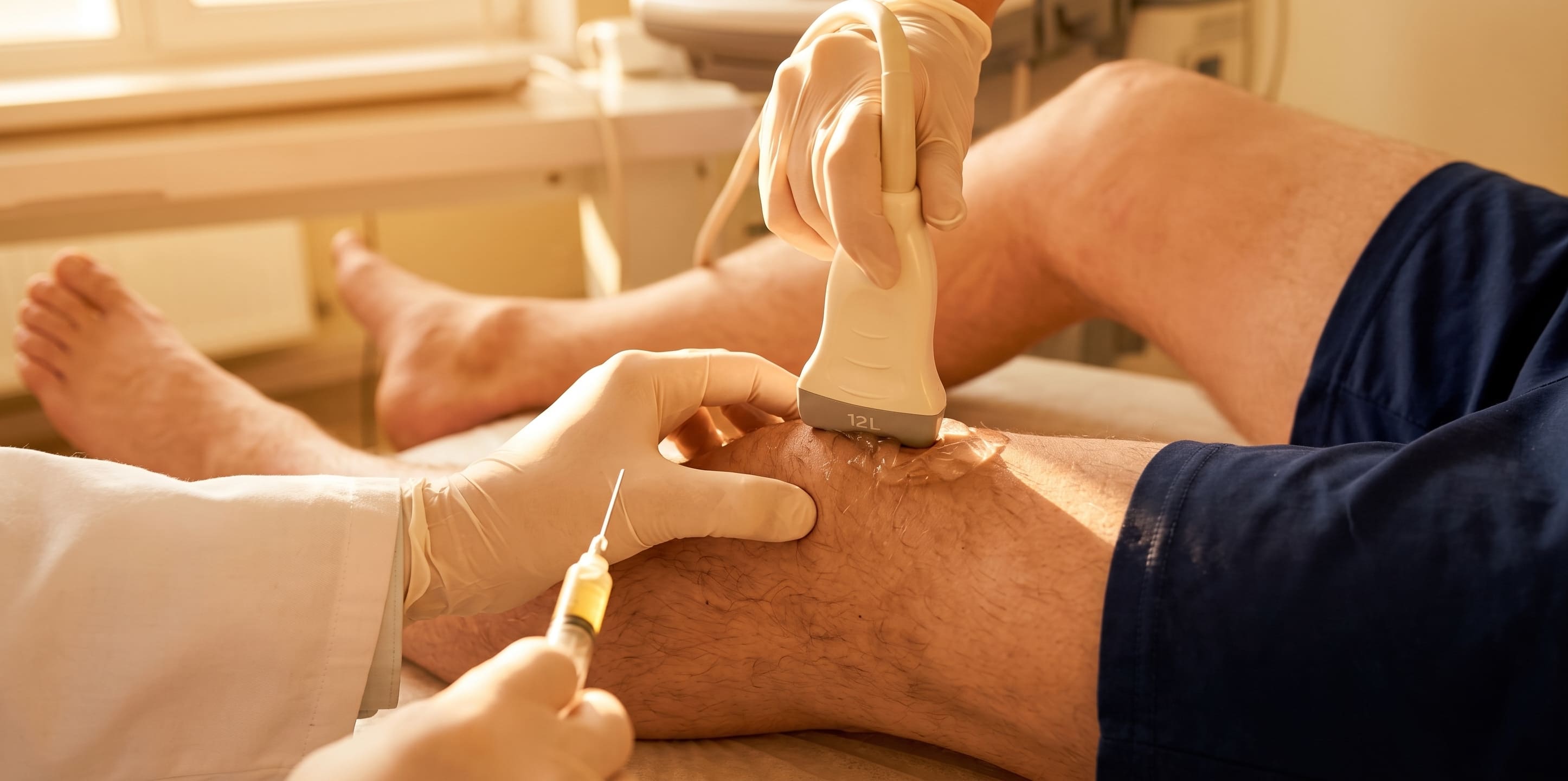
What is a Hydrogel Joint Implant?
Hydrogel implants for knee osteoarthritis involve the use of polyacrylamide knee injections. While hydrogel is biocompatible, it is non-biodegradable, which means it stays in the joint longer, lubricating it, reducing pain, and maintaining mobility.
How Do Hydrogel Implants Work?
At Hortman Clinics, we use the most advanced hydrogel implant– Arthrosamid, which is a permanent injectable hydrogel implant.
It is widely used in Dubai for its high success rate. Patients <70 years reported a close to 80% positive response to their symptoms following Arthrosamid treatment.
Here’s how a hydrogel implant works:
- When a hydrogel implant is placed in the knee joint, it integrates with the synovial membrane (the lining of the joint).
- As the implant begins to integrate into the tissue, it softens and increases the tissue's elasticity, leading to decreased joint stiffness and pain and improved knee mobility.
- In around 6 to 12 weeks after the implant has been placed, it is typically completely integrated within the tissue lining of the knee joint.
Since the hydrogel merges with the synovial membrane tissue completely, it offers long-term relief from symptoms of arthritis. One hydrogel implant injection can make a lasting difference to your knee osteoarthritis.
How Does a Hydrogel Implant Help a Painful Joint?
The latest hydrogel implant, like Arthrosamid, helps in the following:
- They provide a cushion for the joint tissues
- Help lubricate the joint, reducing friction between the various surfaces
- Support a damaged focal cartilage area
In doing the above, the hydrogel implant reduces pain, enhances movement, and provides symptomatic relief without surgery.
Despite its minimally invasive nature and long-term effects, it is important to understand that not every case of knee arthritis is suitable for a hydrogel implant.
Your orthopedic surgeon will evaluate your condition, run a few diagnostic tests, and then determine the best option to relieve your knee pain. At the same time, a hydrogel implant is not a replacement for damaged cartilage or a permanent alternative to joint replacement.
Who is an Ideal Candidate for a Hyrogel Implant in Dubai?
Hydrogel-based joint treatments are recommended only for selected cases.
You may be a suitable candidate for a hydrogel implant if you have:
- Mild-to-moderate or localized joint damage
- Persistent osteoarthritis-related pain
- Defects in cartilage in certain areas
- Symptoms that have not responded adequately to conservative treatment
- A desire to explore less invasive options before major surgery.
Hortman Clinics, your one-stop destination for cosmetic and wellness clinics in Dubai, has an elite team of board-certified orthopedic surgeons who ensure proper patient selection for hydrogel implants.
During a consultation appointment, our specialists will typically consider imaging reports, physical examination results, age, activity level, joint alignment, severity of cartilage damage, and previous treatments, all of which can influence whether a hydrogel procedure is appropriate.
Some investigational hydrogel treatments are being studied specifically in early-to-moderate knee osteoarthritis, rather than in advanced disease.
Why is Hydrogel Implant Considered Minimally Invasive?
One of the biggest advantages of hydrogel implants for knee osteoarthritis is the fact that they are minimally invasive and an excellent alternative to surgery.
These implants are considered minimally invasive because they are delivered to the affected tissues in the knee using a needle and cause very little tissue disruption compared to traditional joint replacement surgery.
Since they are minimally invasive, injectable hydrogel procedures are typically performed on an outpatient basis using a needle rather than requiring a large surgical incision.
Depending on the type of hydrogel implant, recovery may also be less demanding than recovery from major joint replacement surgery.
How are Hydrogel Implants Different from Joint Replacement Surgery?
Hydrogel implants are administered to the target area in the knee joint and help manage or address symptoms in a more localized form, while preserving more of the patient’s natural joint.
In comparison, a traditional joint replacement involves removal and replacement of damaged joint surfaces with prosthetic components. This procedure is usually considered when function of the joint becomes difficult, or the condition becomes severe.
Hydrogel treatment, therefore, is not a replacement for joint replacement surgery, but an excellent solution for appropriately selected patients.
What Are the Benefits of Hydrogel Implants?
Hydrogel implants are administered to the target area in the knee joint and help manage or address symptoms in a more localized form, while preserving more of the patient’s natural joint.
In comparison, a traditional joint replacement involves removal and replacement of damaged joint surfaces with prosthetic components. This procedure is usually considered when function of the joint becomes difficult, or the condition becomes severe.
Hydrogel treatment, therefore, is not a replacement for joint replacement surgery, but an excellent solution for appropriately selected patients.
Are There Risks of Hydrogel Implant Procedure in Dubai?
Hydrogel implant procedures are largely safe when performed by qualified, experienced, and trained surgeons. However, as is seen with other medical procedures, side effects that may be seen in some individuals include:
- Pain
- Swelling
- Inflammation
- Infection
- Lack of adequate response
Since long-term evidence about the effects and benefits of hydrogel implants is still being established, you must always consult with your orthopedic surgeon if a hydrogel implant is recommended to relieve your knee pain.
The Bottom Line
A hydrogel implant is an injectable that offers a less invasive approach to managing knee pain for carefully selected patients with osteoarthritis, especially when conservative treatments have not been able to provide sufficient relief.
However, these implants are not a universal solution for arthritis and do not always help restore or rebuild damaged cartilage.
Before considering hydrogel treatment, you must always get an orthopedic evaluation with an expert specialist who will discuss the severity and cause of your joint damage, expected benefits, potential risks, alternatives, and the possibility that surgery may still be required later.
If you are struggling with persistent knee pain or have been diagnosed with knee osteoarthritis, get a consultation with our orthopedic surgeons at Hortman Clinics today.
Frequently Asked Questions About Hydrogel Implants in Dubai
No. A hydrogel implant is an injectable containing polyacrylamide that is administered directly into the target area to preserve or support the existing joint. In contrast, joint replacement is a surgery that involves surgically replacing damaged joint surfaces with prosthetic components.
Hydrogel implants are generally administered in the affected knee joint to manage symptoms and improve function for a short duration. However, they are not a permanent cure for osteoarthritis.
Some hydrogel treatments are injectable and can be performed without major surgery. Other hydrogel implants require surgical implantation, although the procedure may still be less extensive than total joint replacement.
A hydrogel implant offers long-term relief from knee pain resulting from osteoarthritis. However, the duration varies according to the product, joint, patient, and underlying condition. Discuss any queries you may have regarding the hydrogel implant symptom relief with your orthopedic expert.
Not always. The suitability of a hydrogel implant depends on its technology and the extent of joint damage. Advanced arthritis with extensive structural damage usually requires surgery.
Yes, in many cases a hydrogel implant can help delay the joint replacement surgery. However, this is not guaranteed. The primary goal of hydrogel implants is to help control symptoms and preserve function while avoiding or postponing major surgery when clinically appropriate.

We are here for you. Always.
Everything we do is tailored to your needs, this is why we take our time to take care of you and answer all your questions.