
Written by: Hortman Clinics Editorial Team
Medically reviewed by:Dr. Karem Harb
Last medically reviewed : November 25, 2026
The nose sits at the center of your face and plays an important role in your appearance and breathing. Some people consider nose surgery to improve their facial proportions, while others seek treatment to correct persistent nasal blockage, breathing difficulties, or structural abnormalities.
A plastic surgeon may recommend septoplasty, rhinoplasty, or septorhinoplasty, depending on your underlying concern and treatment goals.
If you are considering nose surgery, it is common to get confused between three procedures– septoplasty, rhinoplasty, and septorhinoplasty. While they all seem similar, they serve different purposes.
Understanding the difference between septoplasty, rhinoplasty, and septorhinoplasty can help you make an informed decision before consulting a qualified ENT or facial plastic surgeon.
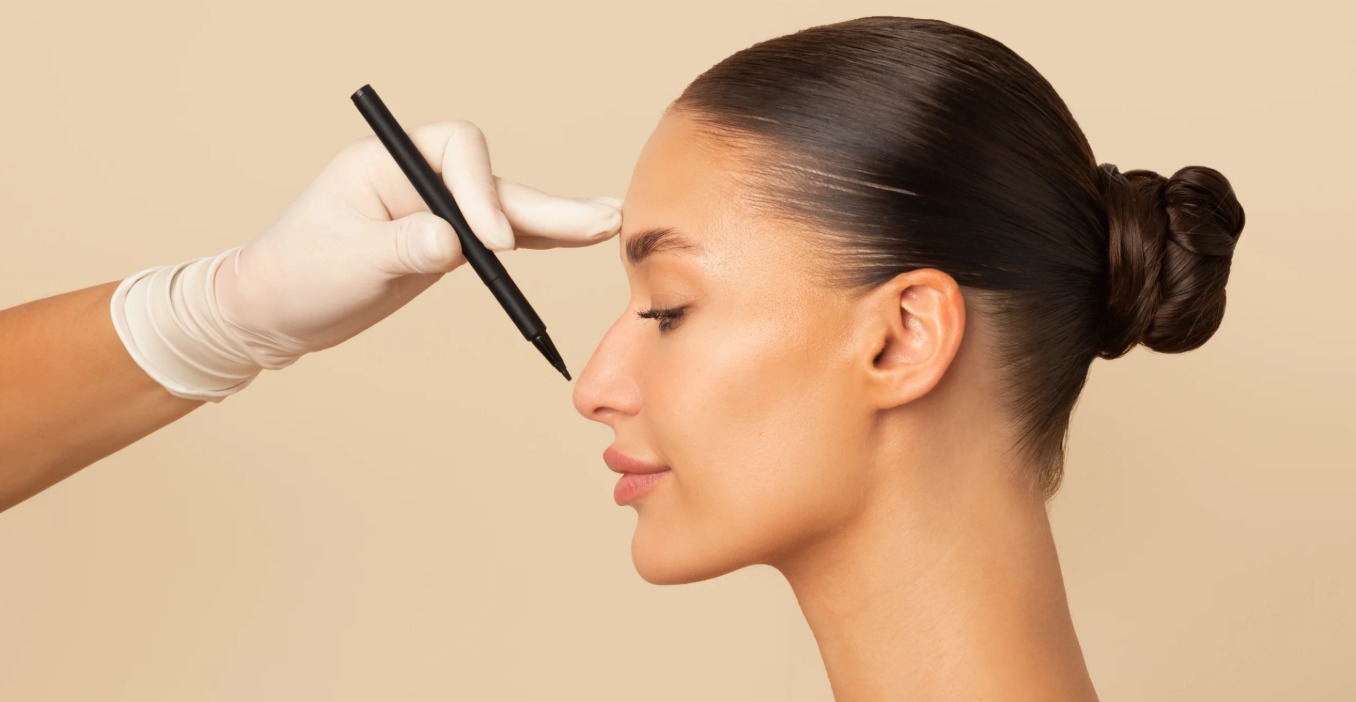
What is Septoplasty?
Septoplasty surgery in Dubai is a surgical procedure performed by a qualified plastic surgeon to correct a deviated nasal septum. The procedure involves repositioning or reshaping the cartilage and bone separating the two nasal passages to improve airflow when the deviation is responsible for nasal obstruction.
Ideally, the septum should be relatively straight. However, some individuals are born with a deviated septum, while others develop one following an injury or trauma. When the deviation is significant, it can narrow one or both nasal passages and interfere with normal airflow.
When is Septoplasty Recommended?
A septoplasty may be recommended when a deviated septum causes persistent symptoms such as:
- Difficulty breathing through one or both nostrils
- Chronic nasal congestion or obstruction
- Frequent nosebleeds associated with septal abnormalities
- Difficulty breathing comfortably during physical activity
- Sleep disturbances associated with nasal obstruction
Before recommending a septoplasty, the surgeon evaluates whether septal deviation is actually causing the symptoms. Other than a deviated nasal septum, allergies, chronic inflammation, enlarged turbinates, and other nasal conditions can also cause breathing difficulties.
How is Septoplasty Performed?
At Hortman Clinics, Dubai, a septoplasty is performed by a DHA-licensed, board-certified and experienced plastic surgeon as a day procedure. The objective is to straighten the septum while preserving sufficient structural support for the nose.
During the procedure:
- The surgeon accesses the nasal septum through incisions inside the nostrils.
- They then lift the surrounding tissue and carefully reposition, reshape, or remove selected portions of cartilage and bone.
Benefits of Septoplasty
When nasal obstruction is primarily caused by a deviated septum, septoplasty may improve nasal airflow and reduce associated breathing difficulties.
Some patients may also experience improvements in sleep comfort and mouth breathing. However, the procedure does not guarantee relief from snoring or obstructive sleep apnoea, as these conditions may have other contributing causes.
What is Rhinoplasty?
Rhinoplasty surgery in Dubai, also called a nose job, is a surgical procedure that reshapes or reconstructs the external nose. Unlike a septoplasty, which addresses internal nasal structures, a rhinoplasty is primarily aesthetic and is performed to improve the appearance and structure of the nose.
Although it is commonly performed for aesthetic reasons, it can also address functional problems involving nasal structures, including certain forms of nasal airway obstruction. The surgical approach depends on the patient's anatomy and treatment goals.
When is Rhinoplasty Recommended?
The plastic surgeon may recommend a rhinoplasty for several reasons, such as:
- A drooping, bulbous, or poorly defined nasal tip
- A prominent nasal hump or bump
- A wide or asymmetrical nasal bridge
- Nostrils that appear disproportionately wide
- Nasal deformity following an injury
- Congenital nasal abnormalities
The procedure can be cosmetic, functional, or reconstructive, depending on the patient's anatomy and treatment goals.
Open vs Closed Rhinoplasty
Board-certified plastic surgeons at Hortman Clinics may perform rhinoplasty using one of two approaches: Open or Closed.
- In a closed rhinoplasty, the surgeon places the incisions inside the nostrils.
- In an open rhinoplasty, the surgeon makes a small incision across the columella, the tissue separating the nostrils, allowing greater visibility of the underlying nasal structures.
In both approaches, the surgeon may reshape cartilage, adjust the nasal bones, refine the nasal tip, or modify other structures according to the agreed surgical plan.
Benefits of Rhinoplasty
Rhinoplasty can offer aesthetic and functional benefits.
Aesthetic Benefits
- Improve the shape of the nose
- Refine the tip of the nose
- Correct a nasal hump
- Improve nasal and facial symmetry
- Improve the nasal profile
Functional Benefits
Sometimes, rhinoplasty also offers functional benefits:
- Improve nasal breathing
- Correct nasal deformities
- Improve nasal airflow
- Correct congenital nasal abnormalities
What is a Septorhinoplasty?
Septorhinoplasty, as the name suggests, combines septoplasty and rhinoplasty into a single surgical procedure. It is typically recommended for people with both internal nasal abnormalities that affect breathing and external structural concerns that affect the appearance of the nose or its stability.
For example, a person may have a deviated septum that causes persistent nasal obstruction, along with a visibly crooked nasal bridge resulting from previous trauma.
When is a Septorhinoplasty Performed?
A septorhinoplasty may be recommended for patients with:
- A deviated septum along with an external nasal deformity
- Breathing difficulties and an asymmetrical nose
- Nasal obstruction due to structural abnormalities
- Nasal deformities following accidents or injuries
- Both functional and aesthetic concerns requiring surgical correction
How is Septorhinoplasty Performed?
A septorhinoplasty at Hortman Clinics, Dubai, is performed by a DHA-licensed, board-certified, and experienced plastic surgeon. Depending on the patient's condition, the procedure may involve straightening the septum, reshaping nasal cartilage, adjusting the nasal bones, and reconstructing areas that require additional support.
The surgical approach is individualized, with a clear objective to achieve a stable nasal structure, improve breathing where possible, and create a natural-looking appearance that complements the patient's facial features.
Benefits of Septorhinoplasty
The main advantage of a septorhinoplasty procedure is that it addresses functional and aesthetic concerns at the same time.
Potential benefits include:
- Improved nasal airflow when structural obstruction is corrected.
- Correction of a crooked or asymmetrical nose.
- Better alignment of internal and external nasal structures.
- One combined anesthesia and recovery period rather than two separate operations.
However, combining procedures does not guarantee a better outcome. The decision depends on the patient's anatomy, medical suitability, and treatment expectations.
Septoplasty vs. Rhinoplasty vs. Septorhinoplasty: Key Differences
Understanding the differences between these three procedures is helpful when considering nasal surgery:
Septoplasty
Purpose: Improve nasal function
Area: Internal nasal septum
Indications: Deviated septum affecting breathing
Recovery: Generally shorter
Rhinoplasty
Purpose: Improve nasal aesthetics
Area: External nasal structures
Indications: Cosmetic nasal concerns
Recovery: Depends on surgical extent
Septorhinoplasty
Purpose: Improve function and aesthetics
Area: Internal and external nasal structures
Indications: Combined breathing and cosmetic concerns
Recovery: Depends on surgical complexity
The plastic surgeon evaluates your nasal structures and understands your concerns to suggest the most suitable procedure for you.
Recovery After Septoplasty, Rhinoplasty and Septorhinoplasty
Recovery varies across all three procedures, depending on the surgical technique, extent of correction, and individual healing response.
- Septoplasty: Most people can resume light daily activities within about one to two weeks. Nasal congestion, mild swelling, and some blood-tinged discharge may occur initially. Internal healing continues for several months.
- Rhinoplasty: Initial swelling and bruising generally improve over the first few weeks. A nasal splint may be required temporarily. Although individuals may return to routine activities within one to two weeks, subtle swelling around the nasal tip may take longer to settle.
- Septorhinoplasty: Recovery involves healing of both internal and external nasal structures, which may make the downtime longer depending on the complexity of the procedure. Final results can take several months or longer to become apparent.
Follow your surgeon's post-operative instructions regarding nasal cleaning, medications, physical activity, sleeping position, and follow-up appointments.
Risks and Possible Complications
All three procedures are surgical, which means they may carry a risk of complications. Potential risks and complications include:
- Bleeding and infection
- Swelling
- Bruising
- Persistent or recurrent nasal obstruction
- Septal perforation (a hole in the nasal septum)
- Changes in nasal sensation or smell
- Scarring or asymmetry
- Unsatisfactory cosmetic results
- Need for revision surgery
How Do Surgeons Decide Which Procedure is Suitable?
No single procedure suits everyone. The right choice of nasal surgery depends on your primary concern – whether you have issues concerning breathing, the appearance of your nose, or both.
- If you have a deviated nasal septum that is causing significant breathing difficulties, septoplasty may be more appropriate.
- Consider rhinoplasty when your primary concern is how your nose looks, or when you want to change nasal proportions or correct an external nasal deformity.
- Consider septorhinoplasty when you have both functional breathing problems and external structural concerns that need correction.
A qualified and licensed plastic surgeon at Hortman Clinics, Dubai, assesses your nasal anatomy, evaluates your breathing concerns, and discusses the most appropriate treatment options to address your individual needs.
Not Sure Which Nose Surgery Is Right for You?
The choice between septoplasty, rhinoplasty, and septorhinoplasty depends on your nasal anatomy, breathing concerns, and aesthetic goals.
At Hortman Clinics in Dubai, our experienced surgical team provides personalized assessments to understand your concerns, explain the available surgical options, and recommend the most suitable procedure based on your individual needs.
Book a consultation with our specialist team to discuss your nasal concerns and explore the treatment options available to you.
Before and After
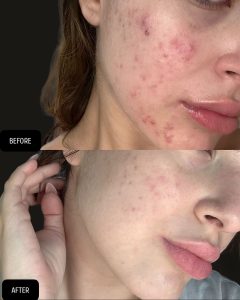
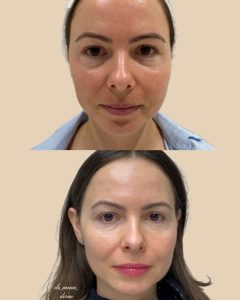
Explore real before-and-after results from patients treated at Hortman Clinics. Results vary between patients and may depend on factors including anatomy, skin type, age, medical history, treatment parameters, and individual response. All published patient images are used with appropriate patient consent.
HORTMAN CLINICS NEWS
Related News

We are here for you. Always.
Everything we do is tailored to your needs, this is why we take our time to take care of you and answer all your questions.