

Tummy Tuck Candidates: Who Qualifies For Surgery
Essential Considerations Before Pursuing Abdominoplasty
- Abdominoplasty is a body-contouring treatment that repairs abdominal muscles and removes extra skin; it is not a way to lose weight.
- The ideal candidates for a tummy tuck in Dubai have finished family planning, are in excellent health, don’t smoke, and have a steady weight (BMI ideally under 30).
- Patients who have experienced considerable weight reduction, postpartum mothers, and people with age-related skin laxity can all benefit from the surgery.
- Uncontrolled chronic diseases, excessive obesity, active smoking, and ambitions to get pregnant in the future are examples of medical contraindications.
- For people who do not presently fulfill qualifying requirements, there are alternatives such as mini-abdominoplasty, liposuction, and non-surgical body sculpting.
- A supportive rehabilitation environment, medication adjustments, lifestyle changes, and medical examination are all part of proper preparation for a tummy tuck Dubai.
Understanding Abdominoplasty: What Is a Tummy Tuck?
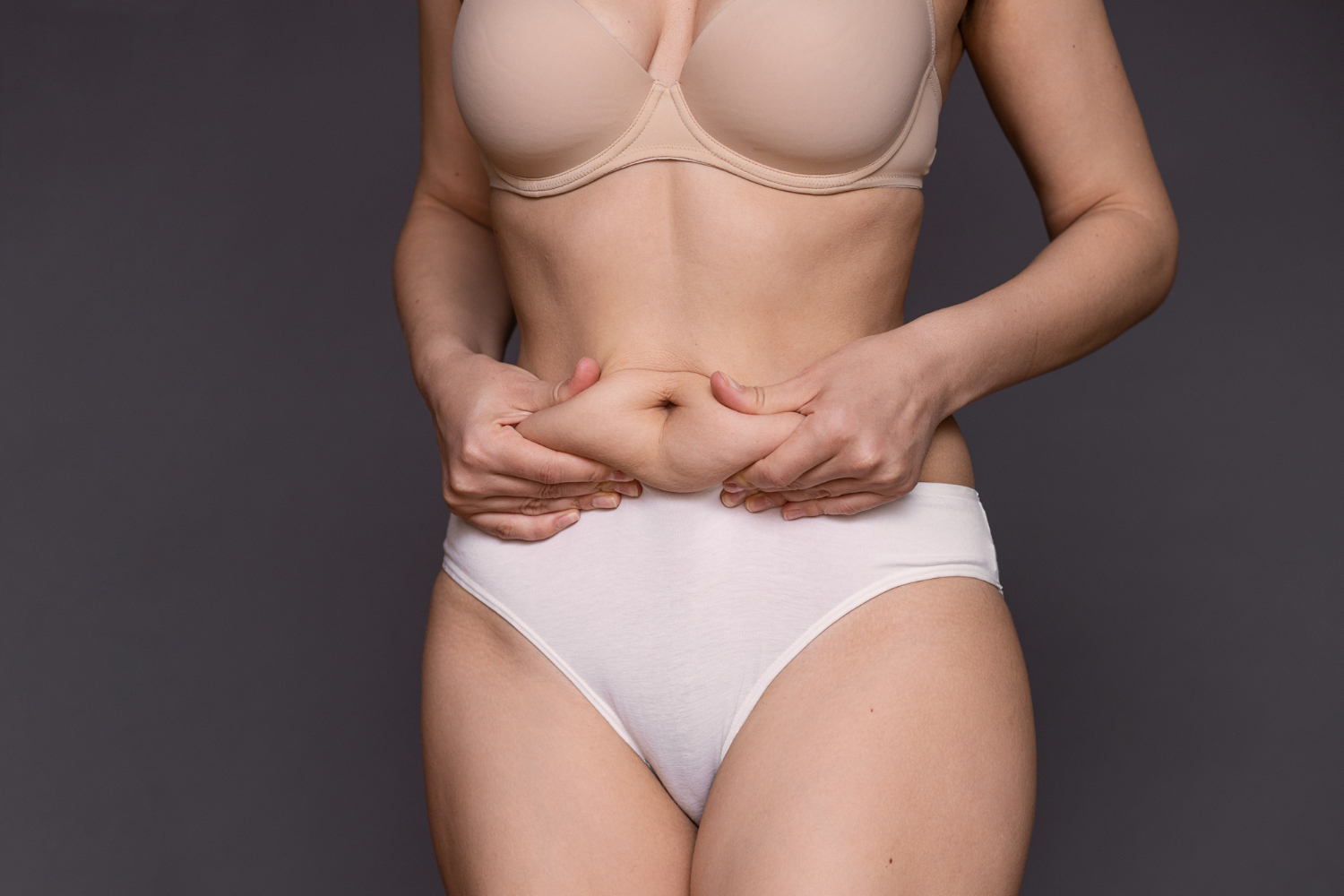
The goal of abdominoplasty, sometimes referred to as a “tummy tuck,” is to create a firmer, more contoured abdominal profile. In addition to treating extra skin and fat in the abdomen, this technique tightens weak or divided muscles (diastasis recti), which are frequently brought on by pregnancy, large weight swings, or aging.
In order to rebuild the underlying muscle and remove extra skin and fatty tissue, a surgeon usually creates an incision from hip to hip down the lower abdomen during a tummy tuck treatment. The newly tightened muscles are subsequently covered by the remaining skin, giving the abdomen a flatter, smoother shape. In order to preserve a natural-looking appearance, the treatment frequently involves relocating the navel.
It’s critical to realize that abdominoplasty is a body-contouring technique rather than a weight-loss procedure. Improved abdominal tone and a more proportional silhouette are the desired results, which cannot be attained by diet and exercise alone. Our doctors at Hortman Clinics conduct a variety of tummy tucks, such as complete abdominoplasty, mini tummy tuck Dubai, and extended abdominoplasty, each of which is customized to meet the needs of individual patients and take anatomical concerns into account.
Key Requirements for Tummy Tuck Eligibility
Both the best outcomes and patient safety are guaranteed when the prerequisites for tummy tuck eligibility are met. These standards, which have been developed through clinical experience and evidence-based practice, are designed to minimize risks while identifying the people who would benefit most from the treatment.
The basic prerequisites for a tummy tuck consist of the following:
- Stable weight: Before tummy tuck surgery in Dubai, candidates should keep their weight steady for at least six to twelve months. Patients should ideally have a BMI of less than 30 and be within 10–15% of their optimal body weight.
- Good general health: Patients must be free of major illnesses that might hinder their ability to heal or increase the risk of surgery.
- Non-smoker status: Smoking greatly impedes recovery and raises the risk of complications. At least six weeks before and following surgery, candidates must be willing to give up smoking.
- Realistic expectations: Satisfaction with outcomes depends on knowing what abdominoplasty can and cannot do.
- Completed family planning: Since subsequent pregnancies may undo the advantages of abdominoplasty, women should have finished their planned pregnancy.
- Excess abdominal skin: The main reason for the operation is the existence of loose, excess skin that doesn’t react to exercise.
In addition to making you a candidate, fulfilling these requirements for abdominoplasty greatly raises your chances of getting good, long-lasting outcomes with few problems. Our doctors will carefully evaluate these aspects during your appointment to ascertain whether you are a good candidate for the operation.
Ideal Candidates: Who Benefits Most from Abdominoplasty
For some patient profiles, abdominoplasty produces the most striking and fulfilling outcomes. Potential patients can determine whether this operation is appropriate for their specific situation and aesthetic objectives by knowing who benefits the most.
The ideal patient for a tummy tuck usually fits into one or more of the following categories:
- Post-pregnancy women: After giving birth, women frequently develop long-lasting abdominal alterations, such as stretched skin, divided muscles (diastasis recti), and persistent fat deposits. Pre-pregnancy shapes that diet and exercise cannot improve can be successfully restored by abdominoplasty.
- Individuals who have lost a substantial amount of weight: Those who have undergone bariatric surgery or changed their lifestyle may battle with extra, hanging, and rigid abdominal skin. This extra skin can be removed with a belly tuck, completing the makeover process.
- Skin laxity in aging patients: Despite normal weight, natural aging processes reduce skin elasticity, which frequently results in a projecting belly. Abdominoplasty can help these individuals obtain a more youthful abdominal appearance.
- Patients with weaker abdominal muscles: Abdominoplasty’s muscle restoration component can help those who have weakened abdominal walls as a result of aging, genetics, or prior procedures.
When these physical disorders lead to functional problems, such as back discomfort from inadequate core support, hygienic concerns with overhanging skin folds, or activity limits, tummy tuck surgery is especially advised. Many patients report substantial psychological advantages in addition to physical changes, such as improved body image, more confidence, and increased comfort in clothes.
Medical Considerations That May Disqualify Tummy Tuck Candidates
Even though many people want abdominoplasty, several medical issues and situations may make a candidate ineligible either permanently or temporarily. For the best possible surgical results and patient safety, it is crucial to comprehend these contraindications.
The following medical conditions might make you ineligible for a tummy tuck:
- Uncontrolled chronic conditions: Surgical risks and healing are greatly increased by poorly treated diabetes, cardiovascular disease, or autoimmune illnesses.
- Severe obesity: Patients with BMIs between 35 and 40 are more likely to experience complications and have less-than-ideal cosmetic outcomes. It is usually advised to lose weight before surgery.
- Active smoking: Using tobacco significantly reduces blood flow to tissues, which increases the risk of infection, poor wound healing, and tissue necrosis.
- Pregnancy plans: Women who want to get pregnant in the future should put off having an abdominoplasty because the outcomes of the procedure will probably be reversed by subsequent pregnancies.
- Unrealistic expectations: Patients who aim for progress rather than perfection may not be good candidates; psychological preparedness and reasonable expectations regarding results are crucial.
- Certain drugs: Some immunosuppressants, blood thinners, and certain supplements may make surgery impossible or require a short stop.
- Previous abdominal surgeries: Prolonged scarring from earlier procedures might make the process more difficult or restrict the possible outcomes.
Careful examination is also necessary for individuals with severe liver illness, blood problems, or a history of pulmonary embolism or deep vein thrombosis. In order to ensure that abdominoplasty is only carried out when it can be done safely and with a high likelihood of satisfying outcomes, our surgical team does comprehensive preoperative exams to detect any problems that can raise risk.
Am I a Good Candidate for a Tummy Tuck? Self-Assessment
This self-evaluation might help you decide whether you could be a suitable candidate for tummy tuck surgery before making an appointment for a consultation. These questions can offer preliminary information regarding your appropriateness for abdominoplasty, but they should not be used in place of a professional medical assessment.
Think about the following queries:
Physical considerations for tummy tuck
- Do you have extra or drooping skin around your abdomen?
- Have you kept your weight steady for a minimum of six to twelve months?
- Is a BMI of less than 30 ideal?
- Do other parts of your body have healthy skin elasticity?
- Have you finished your family planning (for women)?
Health considerations for tummy tuck
- Do you have no major chronic illnesses, and are you in excellent overall health?
- Do you currently smoke, or are you prepared to give it up for the necessary amount of time?
- Can you take two to four weeks off to allow for a thorough recovery?
- Do you have any disorders that hinder the healing of wounds?
Psychological considerations for tummy tuck
- Are your expectations for what surgery can do reasonable?
- Do you want surgery more for yourself than for other people’s approval?
- Are you aware of the procedure’s restrictions and possible risks?
You could be a suitable candidate for abdominoplasty if you said “yes” to the majority of these questions. To make a final decision, though, a thorough assessment by a licensed professional will take into account your medical history, physical examination results, and cosmetic objectives during this evaluation.
The Tummy Tuck Consultation Process Explained
An important part of your surgical journey is the tummy tuck consultation, which is a thorough evaluation of your eligibility as well as an educational opportunity. You can better prepare and get the most out of this crucial session if you know what to anticipate during this procedure.
At our Dubai facility, an average abdominoplasty consultation entails:
- Review of your medical history: Your best tummy tuck surgeon in Dubai will look closely at all of your medical history, including past surgeries, current medicines, allergies, and any conditions that may have an impact on your recovery or operation.
- Physical examination: This entails evaluating the architecture of your abdomen, including the flexibility and quality of your skin, the distribution of fat, the tone of your muscles, and any scars that may be present. For surgery planning and before/after comparison, measurements and photos may be acquired.
- Goal discussion: You will be able to voice your concerns and aesthetic goals. Based on your particular anatomy, your surgeon will assist you in setting reasonable expectations.
- Procedure explanation: Based on your individual demands, the surgeon will describe the suggested surgical technique (full, mini abdominoplasty in Dubai, or extended abdominoplasty), the location of the incision, and the anticipated results.
- Risk assessment: All possible issues and hazards will be openly acknowledged, along with steps taken to reduce them.
- Recovery planning: You will be given comprehensive information on the post-operative care, activity limitations, and recovery schedule.
- Cost discussion: A thorough explanation of every expense related to the process will be given.
You may assess how comfortable you are with the surgeon and their methodology throughout the consultation. You are welcome to see before-and-after pictures of prior patients, ask questions about their experience, and voice any concerns you may have. If you are judged an appropriate candidate, this two-way communication guarantees that you are completely informed and at ease moving forward with surgery.
Alternatives When You Don’t Meet Abdominoplasty Criteria
There are a number of other methods that might help you have better abdominal shapes if you don’t currently fit the requirements for abdominoplasty. These choices include less invasive surgeries as well as lifestyle changes that can be followed on their own or as a step toward being eligible for a tummy tuck.
When abdominoplasty isn’t now acceptable, think about these alternatives:
- Liposuction: Without the lengthy recuperation required for a tummy tuck, liposuction can successfully remove stubborn fat in individuals with good skin elasticity but localized fat deposits. For people who don’t have a lot of skin laxity or muscle separation, this surgery is very appropriate.
- Non-surgical body contouring: Without surgery, technologies like CoolSculpting (cryolipolysis), radiofrequency treatments, or ultrasound-based procedures can provide minor skin tightening and decrease small fat deposits.
- Mini-abdominoplasty: With fewer scars and a quicker recovery period, this less involved form of a full tummy tuck targets issues specific to the lower abdomen beneath the navel. Patients with minor upper abdominal issues can use a mini tummy tuck in Dubai.
- Endoscopic abdominoplasty: This procedure uses fewer incisions to fix the muscles in individuals whose main problem is muscle separation (diastasis recti) with minor skin excess.
- Weight management programs: Patients with higher BMIs can achieve a stable weight suitable for tummy tuck treatment Dubai with the aid of structured weight loss under medical supervision.
- Physical therapy: Although they cannot treat skin laxity, certain workouts aimed at the core muscles might enhance tone and function, especially for diastasis recti.
When it comes to body contouring, our surgeons take a comprehensive approach, frequently suggesting a phased strategy that may start with less invasive procedures while working toward eligibility for abdominoplasty if desired. We’ll talk about which options could be best for your unique situation and aesthetic objectives during your session.
Preparing for Tummy Tuck Surgery: Next Steps for Qualified Candidates
After you’ve been determined to be a good candidate for an abdominoplasty, getting ready is crucial for the best possible surgical results and a quick recovery. By taking these precautions, you may reduce hazards and increase your enjoyment of the process.
Important preparatory actions consist of:
- Pre-operative medical evaluation: To make sure you’re in the best possible health for the best tummy tuck Dubai, finish all required laboratory tests, imaging investigations, and expert consultations.
- Medication modifications: Pay attention to your surgeon’s advice on which medications, especially blood thinners, anti-inflammatory drugs, and certain supplements that may raise the risk of bleeding, you should stop or modify prior to surgery.
- Changes in lifestyle:
-
- At least six weeks before surgery (and during recuperation), give up smoking.
- Maintain a steady weight by eating a balanced diet.
- Eat more protein to aid in mending
- Drink plenty of water.
- Create a consistent workout schedule to increase general fitness.
- Preparing at home:
-
- Make plans for a competent adult to accompany you home for a minimum of 24 to 48 hours following surgery.
- Set up a rehabilitation space with the materials you’ll need close at hand.
- Stock up on the required post-operative items (dressings, compression garments, and prescription drugs).
- Make meals ahead of time or schedule food delivery.
By carefully preparing for surgery and following your surgeon’s recommendations, you can improve your recovery experience and maximize the benefits of your tummy tuck procedure. A personalized consultation at Hortman Clinics will determine whether abdominoplasty is the right option for your goals and anatomy.
FAQs
What is the ideal BMI for a tummy tuck?
For a tummy tuck, the optimal BMI is often less than 30, and many surgeons prefer that patients be between 10% and 15% of their target body weight. Patients with BMIs over 35 are more likely to experience complications and may have less than ideal cosmetic outcomes; however, there is no set threshold. Every case is assessed separately, taking into account things like skin condition, weight distribution, and general health.
How long should I wait after pregnancy before getting a tummy tuck?
Before getting a tummy tuck, you should wait at least six to twelve months after becoming pregnant. This enables tissues to return to their normal condition, hormones to normalize, and your body to properly recuperate. You should also have established a stable weight, finished nursing for at least three to six months, and made sure you don’t want to get pregnant again because doing so might undo the effects of the surgery.
Will a tummy tuck remove all my stretch marks?
While not completely eliminating stretch marks, a tummy tuck can greatly lessen their visibility, especially if they are on the lower abdomen beneath the navel. Stretch marks on the skin that will be removed following surgery will be eliminated entirely. Stretch marks on the sides of the abdomen or above the navel will still be there; they might not be as obvious until the skin has tightened.
How much weight should I lose before considering a tummy tuck?
Before thinking about a tummy tuck, you should obtain a stable weight that you can comfortably maintain, ideally within 10–15% of your target weight. Your starting point will determine how much weight you lose, but sustaining your goal weight for at least six to twelve months shows stability. Abdominoplasty treats extra skin and muscle laxity after weight reduction has been accomplished; it is not a weight loss treatment.
Can I have a tummy tuck if I have previous abdominal scars?
Even though they could interfere with surgery planning, you might undergo a tummy tuck if you have prior abdominal scars. Many surgeons are able to modify existing scars during the treatment or incorporate them into the new incision design. Abdominoplasty frequently involves the removal of C-section scars. However, severe scarring from several operations may affect skin healing and blood flow, necessitating phased or modified treatments to guarantee safety.
How long does it take to recover from a tummy tuck?
Recovery after a tummy tuck varies from person to person, but most patients can return to light daily activities within two to four weeks. Swelling, bruising, and tightness are common during the first few weeks and gradually improve over time. Strenuous exercise and heavy lifting should be avoided for at least six weeks or as advised by your surgeon. Wearing a compression garment can help support healing and reduce swelling. Most patients begin to see noticeable improvements within a few months, while final results continue to develop for up to a year. Following all post-operative instructions is essential for a smooth recovery and optimal outcome.
Can a tummy tuck repair separated abdominal muscles?
Yes, one of the key benefits of a tummy tuck is the repair of separated abdominal muscles, a condition known as diastasis recti. This separation commonly occurs after pregnancy or significant weight fluctuations and can cause abdominal bulging and reduced core strength. During surgery, the surgeon tightens and reconnects the muscles to create a firmer abdominal wall. This can improve posture, core stability, and the overall contour of the abdomen. While exercise may strengthen muscles, it cannot always correct significant muscle separation. Surgical repair often provides a more comprehensive and lasting solution.
Is a tummy tuck considered a weight-loss procedure?
No, a tummy tuck is not designed for weight loss. The procedure is intended to remove excess skin and tighten weakened abdominal muscles after major weight loss, pregnancy, or aging. Candidates should ideally be at or near their target weight before surgery. While some fat may be removed during the procedure, the primary goal is body contouring rather than reducing body weight. Patients typically achieve the best results when they maintain a healthy lifestyle after surgery. Significant weight fluctuations after a tummy tuck may affect the longevity of the results.
Who is considered an ideal candidate for a tummy tuck?
Ideal tummy tuck candidates are individuals who have excess abdominal skin, weakened abdominal muscles, or persistent abdominal changes that do not improve with diet and exercise. They should be in good general health, have a stable weight, and preferably have a BMI below 30. Non-smokers or those willing to stop smoking before and after surgery are usually better candidates due to improved healing. Women who have completed their family planning often achieve the most lasting results. A consultation with a qualified surgeon is necessary to determine individual suitability for the procedure.
Are there alternatives to a tummy tuck if I am not a suitable candidate?
Yes, several alternatives may be available depending on your concerns and goals. Liposuction can help remove localized fat deposits in patients with good skin elasticity. Non-surgical body contouring treatments may offer modest fat reduction and skin tightening without surgery. A mini tummy tuck may be suitable for patients with mild lower abdominal skin laxity. In cases where weight is a concern, medically supervised weight-management programs can help patients become eligible for surgery in the future. Your surgeon can recommend the most appropriate treatment option based on your anatomy, health status, and desired results.