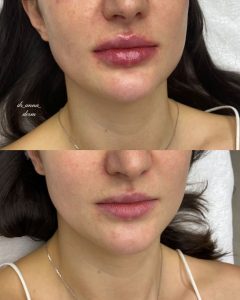
 Chin & Lips Filler
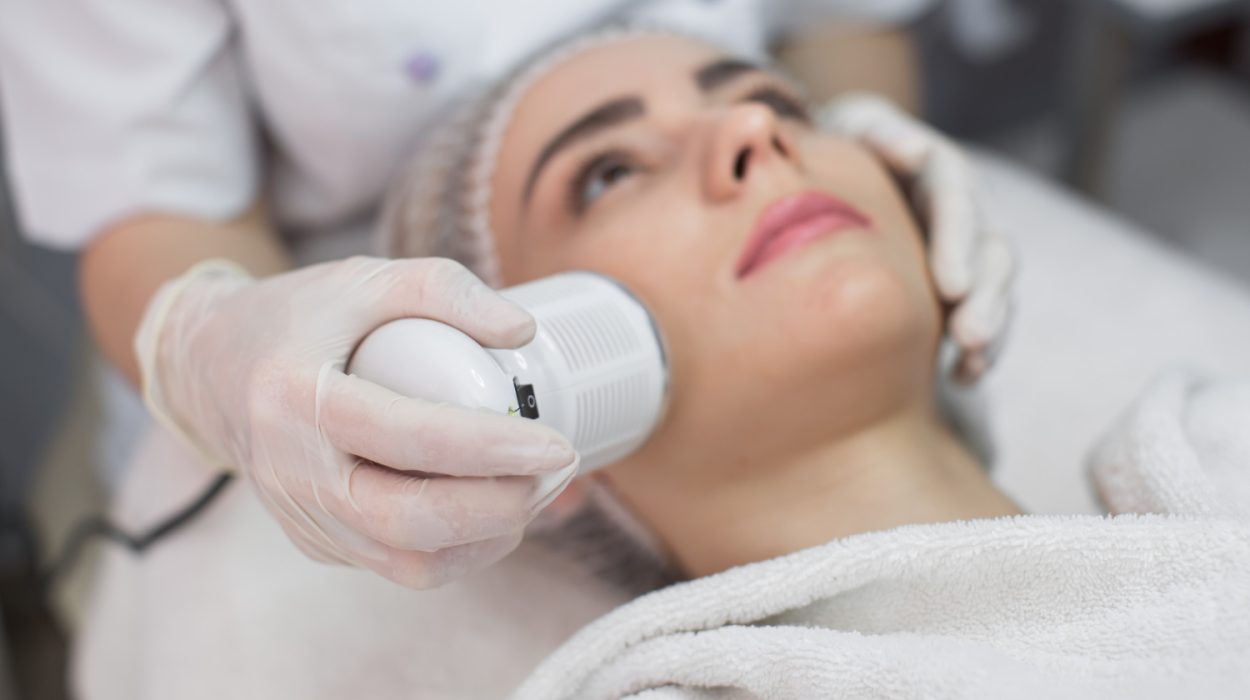
 Ultherapy
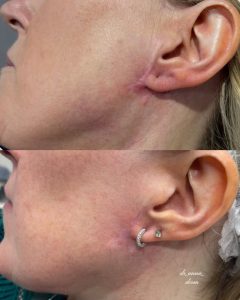
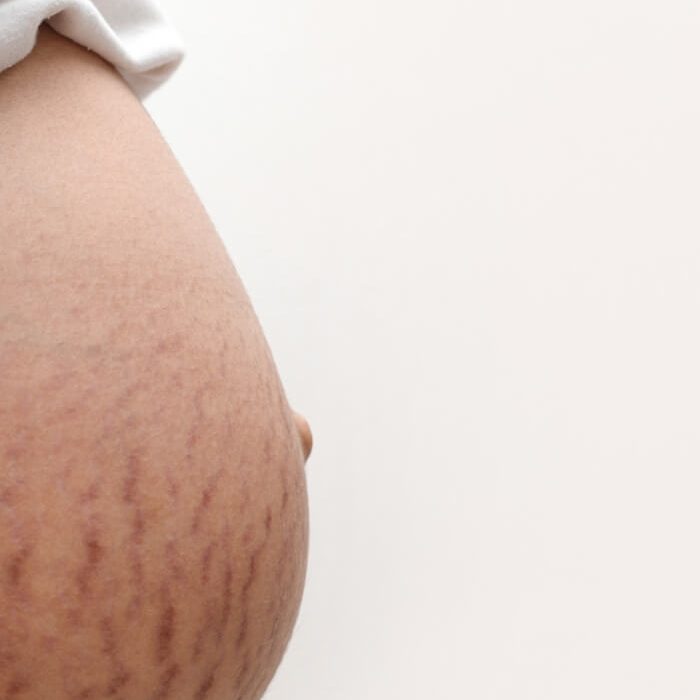
Laser Scar resurfacing
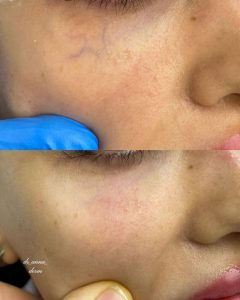 Veins Removal with Laser
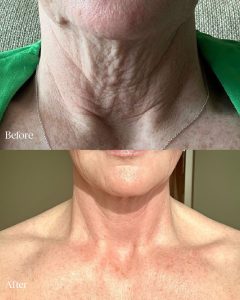 UltraClear
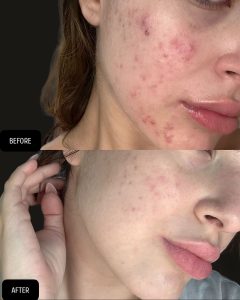
Aviclear
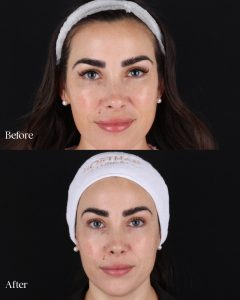 Pigmentation Pico-BBL


Hortman Clinics, an award-winning aesthetic clinic in Dubai, offers personalised aesthetic, wellness, health, and longevity therapies, delivered by DHA-licensed professionals using DHA-approved products and equipment. Book your consultation today!
Hortman Clinics, an award-winning aesthetic clinic in Dubai, offers personalised aesthetic, wellness, health, and longevity therapies, delivered by DHA-licensed professionals using DHA-approved products and equipment. Book your consultation today!
Hortman Clinics – Your Destination for Aesthetics, Wellness, Health & Longevity.
Hortman Clinics, an award-winning aesthetic clinic in Dubai, offers personalised aesthetic, wellness, health, and longevity therapies, delivered by DHA-licensed professionals using DHA-approved products and equipment. Book your consultation today!
As the Luxury Clinic of the Year Award-winning Hortman Clinics, we combine world-class expertise, advanced technology, DHA-approved products and equipment, and high standards of patient care and safety.
Your personalised, luxurious experience awaits you at Hortman Clinics!
As the 𝐋𝐮𝐱𝐮𝐫𝐲 𝐂𝐥𝐢𝐧𝐢𝐜 𝐨𝐟 𝐭𝐡𝐞 𝐘𝐞𝐚𝐫 Award-winning Hortman Clinics, we combine world-class expertise, cutting-edge technology, and a dedication to enhancing natural beauty and well-being.
Your personalized, luxurious experience awaits you at Hortman Clinics!
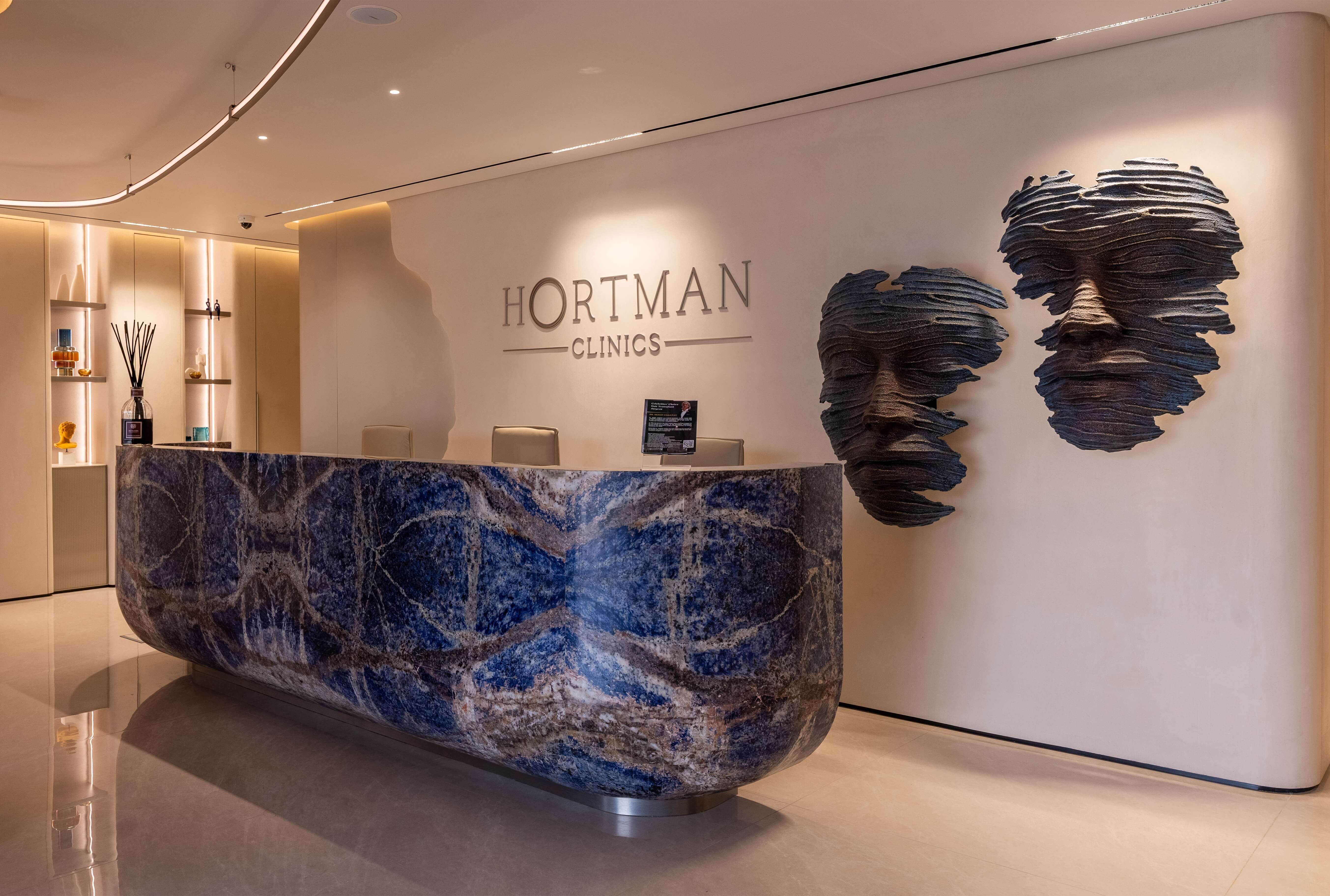
Touted as one of the top aesthetic clinics in Dubai, Hortman Clinics offers an exclusive range of face, hair, and body aesthetic treatments designed to enhance your natural appearance and well-being.
Led by our board-certified dermatology specialists and DHA-licensed doctors, every treatment plan and procedure is tailored around your individual aesthetic and health goals, ensuring a personalised approach to care.
Our luxury clinic provides cosmetic surgery, dermatology, advanced laser therapies, hair restoration, dentistry, women’s health, and regenerative wellness treatments, supported by DHA-approved products and medical equipment, advanced technologies, and a commitment to high standards of patient care and safety.


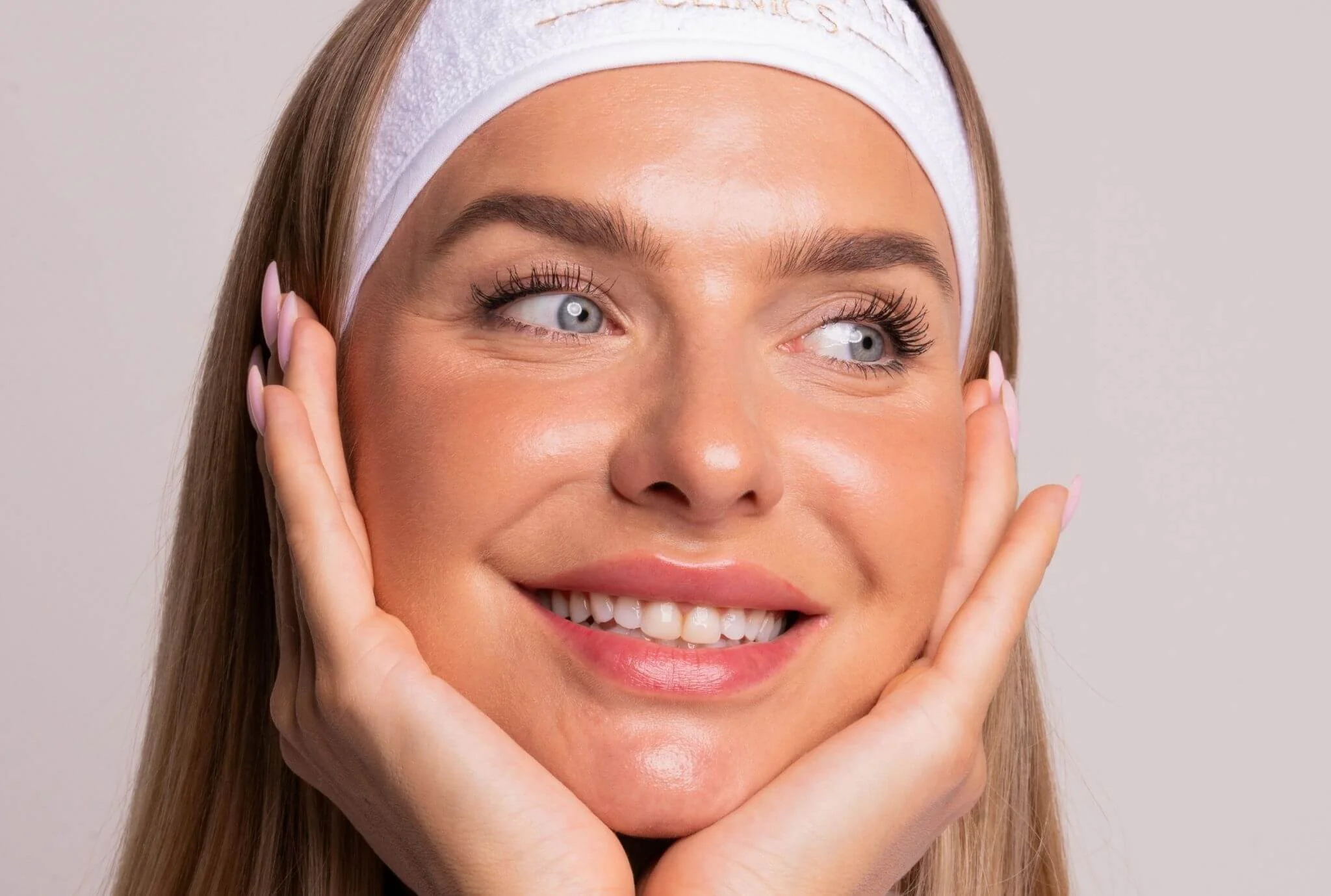
At Hortman Clinics, we combine medical expertise with cutting-edge technology to deliver advanced, results-driven treatments across multiple specialties. Our services cover skin and aesthetic care, hair restoration, dentistry, surgical procedures, longevity medicine, and overall wellness. Treatments are delivered by DHA-licensed healthcare professionals, using FDA-approved technologies where applicable, alongside personalised treatment plans designed to support safe, effective, and natural-looking outcomes. Our goal is not only to enhance appearance but also to support long-term health, confidence, and well-being.
Bringing together decades of transformative medical care, our board-certified dermatologists, DHA-licensed doctors, and DHA-licensed therapists are dedicated to helping you achieve your aesthetic, health, wellness, and longevity goals.
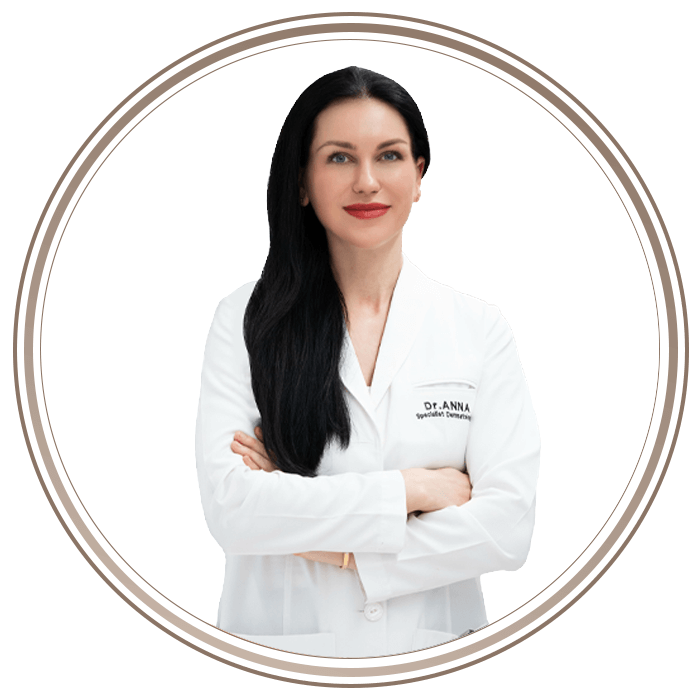
Specialist Dermatology
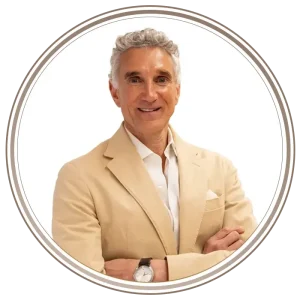
Plastic Surgery
Specialist Plastic Surgery
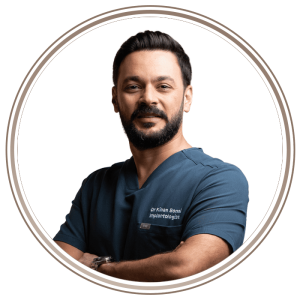
Dentistry
General Dentist and Implantologist
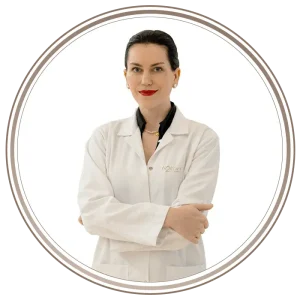
Aesthetics & Dermatology
Specialist Dermatology
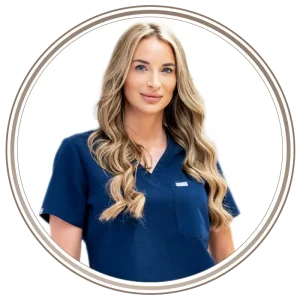
Aesthetics
Beauty and Laser Therapist
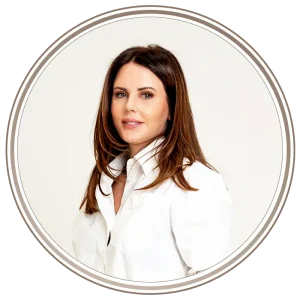
Aesthetics & Dermatology
Beauty and Laser Therapist
EXCELLENT Based on 677 reviews
 Posted on Google
 Yas Critics Expert & QualityPosted on Google
 Elvira EchavarríaHortman Clinic has exceptional service, especially cosmetologist Sihem Fersi. She takes the time to make sure her patients feel comfortable and satisfied with their results. I went in for a treatment, specifically targeted at scars, and skin specialist Sihem Fersi gives honest opinions about what is suitable for your skin. I have known Dr. Sihem for years, and her treatments and services never disappoint. She has become a specialist that the whole family goes to for their skin treatments. I recommend her to everybody for any skin treatments and issues. Thank you Dr. Sihem Fersi!! ❤️Posted on Google
 Madona IbrahimI just wanna Thank Christina, for the amazing laser session on my face! ❤️ You were so gentle, professional, and made me feel very comfortable throughout the whole session. I really appreciate the care and attention you gave me, and I’m already loving the results❤️Posted on Google
 Randa AliThe service at the clinic was exceptional from start to finish. Everyone was professional, welcoming, and attentive to every little detail. A special thank you to Dr. Lyn for her outstanding expertise and professionalism. She was extremely knowledgeable, precise, and truly took the time to understand what I wanted. I felt completely comfortable and confident throughout the entire experience. I’m very happy with the results and would highly recommend Dr. LynPosted on Google
 Hazem TelibWhat a wonderful day! Everyone here was so kind and made me feel right at home. Mai at the front desk is absolutely the best—thanks for starting things off so well! I’m also really grateful to Dr. Kareem for being so patient and supportive. I’ll definitely be back and would 100% recommend this clinic to anyone.Posted on Google
 eliana lovrincevichLa clínica Hortman es un lugar que volvería, personal super profesional, atención superior. Una especial mención a la Dra. Raquel Fernández de Castro, quien me atendió, ella me realizó el tratamiento adecuado en mi rostro y cada dia estoy mas feliz. Ella es una excelente profesional, super confiable con quien espero atenderme muchas veces más.Posted on Google
 reem almheiriI have had an excellent experience with Dr. Siham fersi She has provided exceptional care in treating my acne, and I have seen a significant improvement in my skin since I started seeing her. My skin has become much clearer, healthier, and more radiant. Highly recommended!!Posted on Google
 Nina BaggeAbsolutely wonderful experience at Hortman Clinics with Dr. Rebecca Treston and team. Dr. Rebecca is the best with laser, amazing results! I also visit Dr. Anna who is fabulous, precise, meticulous and very knowledgeable and does amazing work! Shabana at the reception is absolutely lovely and greets one very warmly. Chanchal offers delicious coffee and juice blends in a super professional manner and always with a lovely smile. Truly fabulous service and great results. Warmly recommending the clinic for various treatments and will remain a loyal customer!Posted on Google
 Karreen Ivy Kezia TacbianAstounding place with wonderful staff..Posted on Google
 khulood AlsayeghGreat experience with Dr Anna
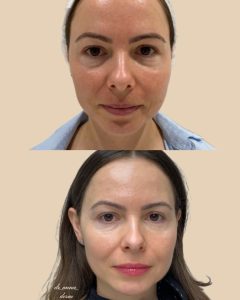
See the difference advanced technology and expert care can make. Explore our before and after gallery to view real patient transformations and discover the results achieved across a range of medical and aesthetic treatments.
Chin & Lips Filler
Ultherapy
Laser Scar resurfacing
Veins Removal with Laser
UltraClear
Aviclear
Pigmentation Pico-BBL
Discover the exclusive memberships at Hortman Clinics, designed to offer unparalleled value and benefits all year round.
Each membership is tailored to fit your unique needs by our word-class specialists, ensuring you receive the finest in health, beauty, and wellness services.
Experience the luxury and enjoy priority access to state-of-the-art facilities, exclusive rates on treatments, and personalized care that consistently exceeds expectations.
Everything we do is tailored to your needs, this is why we take our time to take care of you and answer all your questions.

Adding {{itemName}} to cart
Added {{itemName}} to cart