

Dermal Fillers Contraindications, Precare And Aftercare Instructions
Dermal Fillers Introduction
Welcome to the dermal filler treatment information from Hortman Clinics. Here, we provide comprehensive contraindications, pre-care, and post-care details for your dermal fillers in Dubai. Please get in touch with our reception staff if you have any queries; they would be pleased to help.
Medical History
A medical history form will be provided to you prior to your visit for dermal fillers Dubai. We respectfully ask that you arrive early to finish it if you cannot do so in advance.
To ensure that your dermal fillers treatment in Dubai is still appropriate for you, please let us know before your appointment if your health has changed or if you have begun taking any new medications since your previous visit.
Dermal Fillers Contraindications
You should not get these best dermal fillers in Dubai if you have or are:
- Active Infection/Inflammation: Any ongoing infection or inflammation (including active outbreaks of herpes simplex) inside the treatment region.
- Allergy: A known hypersensitivity or allergy to any of the substances in the filler, such as lidocaine or hyaluronic acid.
- Previous Responses: Anaphylaxis or severe adverse responses after prior dermal filler procedures.
- Coagulation Issues: Coagulation problems include coagulopathies and concomitant use of blood thinners, which might raise the risk of bleeding or bruising.
- Autoimmune/Inflammatory problems: Active autoimmune illnesses or inflammatory skin problems in the treatment region, such as rosacea, eczema, or acne.
- Pregnant or Nursing: Not recommended by the best dermal fillers doctors in Dubai when pregnant or nursing.
- Systemic Illness: Uncontrolled systemic disorders that might hinder recovery are referred to as systemic illness.
Pre-Dermal Filler Treatment Advice
Please provide pre-treatment advice:
- Before injectable dermal fillers, abstain from alcohol for at least 24 hours.
- Arrive with a fresh, makeup-free face.
- Tell your doctor about any drugs or supplements you use that might worsen bruising or interfere with recovery.
Post-Dermal Filler Treatment Instructions & Expectations
- Swelling and redness are common. There may also be obvious bruises.
- For a few hours to a week, you can feel some soreness at the treatment site. If the pain or redness gets worse, please contact the clinic.
- Avoid using a cold gel or ice pack on the affected region.
- After 24 to 48 hours, you can start applying makeup.
- Avoid alcohol for 24 hours
- For the first few hours and up to 10 to 14 days, avoid putting too much pressure on the treated region; use extreme caution while washing your face or applying makeup.
- To lower the risk of swelling, refrain from exercise and physically demanding tasks for a week. After 48 hours, you can return to your regular activities.
- If you feel any slight soreness or pain, you might take some paracetamol.
- Until any redness or swelling has decreased, avoid prolonged UV exposure. Use a sunscreen with an SPF of at least 30.
- Before getting any face skin care, sauna, or laser treatments, wait at least four weeks.
Dermal fillers before and after results show that although the overall outcome is anticipated 4-6 weeks later, when the product properly integrates with the tissue and the swelling resolves, you should notice an improvement right away after treatment. During this time, it is common to “feel” or view the filler as noticeable or hard; the sensation usually goes away on its own in a few weeks as it integrates with the tissues.
Additionally, it is common for the filler to move during the first few hours following treatment; thus, we urge that you avoid touching or massaging it unless specifically directed.
Important: When to Contact Us After Dermal Fillers
The following indicate a vascular blockage and need to be treated right away:
- Pale, dark skin that is mottled, very painful, and chilly to the touch in comparison to the surrounding skin temperature. If you believe you are exhibiting these signs.
- Please get in touch with the clinic or your practitioner right away if you see any changes in the color of your skin, a loss of color, or odd bruises. Please get in touch with the clinic or your practitioner right away if you see that the bruise has extended to an untreated location and you have loss of feeling, skin breakdown, ulcerations, or the appearance of white, pus-filled areas in the area following treatment.
- Please get in touch with the clinic or your doctor if, in the days following your surgery, you have more discomfort in the treated region.
Important: In Case of Dermal Fillers Side Effects or Concerns
Please contact the Hortman Clinics in Dubai right away if you notice any unexpected side effects or any changes that concern you following treatment with any of the types of dermal fillers. Specifically, look for any abnormal bruising or changes in skin color, such as a patch of skin that becomes red or purple.
If you have any queries about upcoming appointments or would like to arrange a follow-up appointment, please get in touch with us by phone or email, or reach us at Hortman Clinics.
https://www.perplexity.ai/search/a1fca7b0-6c85-4a97-9b1f-4dacc0252009
FAQs
What are dermal fillers?
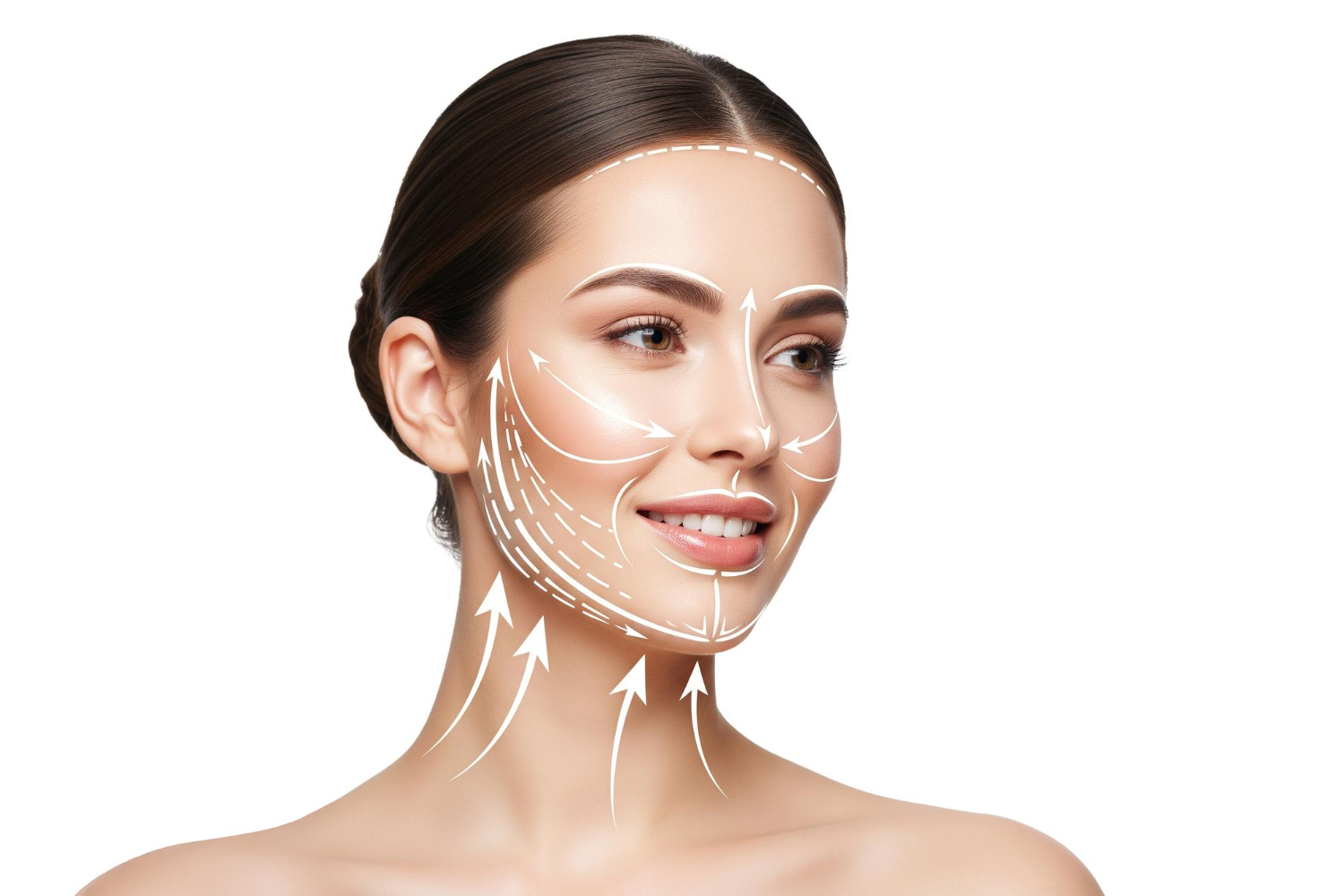
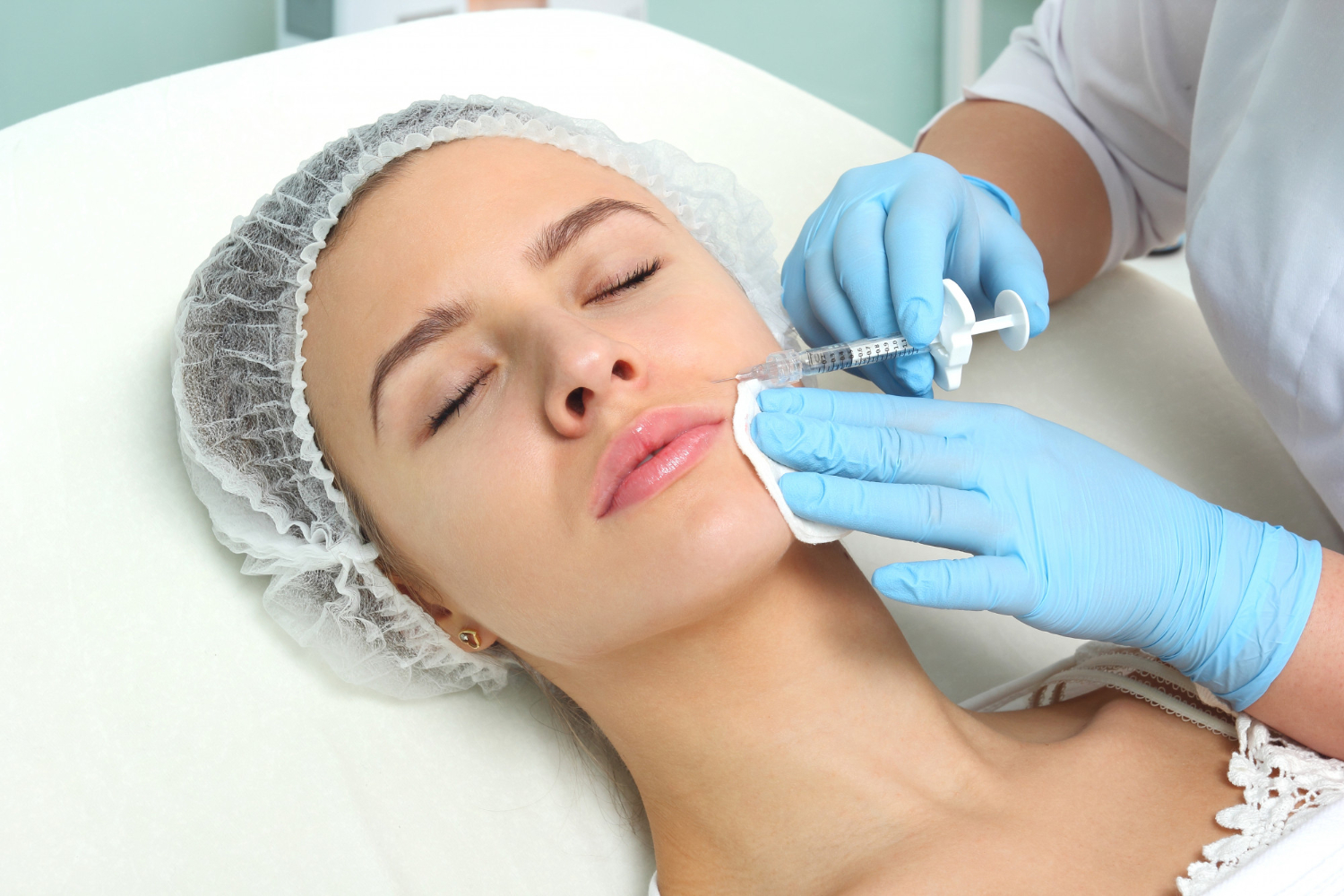
Dermal fillers are injectable treatments designed to restore lost volume, smooth wrinkles, enhance facial contours, and improve overall facial harmony. Most modern fillers are made from hyaluronic acid, a naturally occurring substance in the body that helps maintain skin hydration and elasticity. Dermal fillers can be used in various areas, including the lips, cheeks, chin, jawline, nasolabial folds, and under-eye region. The treatment is minimally invasive, requires little downtime, and provides immediate visible improvements. When administered by a qualified medical professional, dermal fillers can deliver subtle, natural-looking results that enhance your features without changing your appearance. Treatment plans are customized to suit each individual’s facial structure and aesthetic goals.
How long do dermal fillers last?
The longevity of dermal fillers varies depending on the type of filler used, the treatment area, and individual factors such as metabolism and lifestyle. In general, hyaluronic acid fillers can last anywhere from 6 to 18 months. Lip fillers typically last around 6 to 9 months because of the area’s constant movement, while fillers in the cheeks, chin, and jawline may remain effective for 12 to 18 months or longer. Factors such as smoking, sun exposure, exercise levels, and the body’s natural metabolic rate can influence how quickly fillers break down. Although results are temporary, maintenance treatments can help preserve the desired appearance and keep facial contours looking refreshed over time.
How should I prepare for my dermal filler appointment?
Preparing properly for your dermal filler treatment can help reduce the risk of bruising and ensure the best possible results. Patients are advised to avoid alcohol for at least 24 hours before their appointment, as it can increase swelling and bruising. Arrive at the clinic with clean, makeup-free skin to minimize the risk of infection. It is also important to inform your practitioner about any medications, supplements, or recent changes to your health. Completing your medical history form accurately allows your clinician to assess your suitability for treatment. If you have experienced any previous reactions to fillers or have underlying medical conditions, these should be discussed during your consultation. Following these simple steps helps ensure a safe and comfortable treatment experience.
Who should avoid dermal filler treatment?
Dermal fillers may not be suitable for everyone. Treatment should be avoided if you have an active skin infection, inflammation, or a herpes simplex outbreak in the treatment area. Patients with known allergies to filler ingredients, including hyaluronic acid or lidocaine, should not undergo treatment. Individuals who have experienced severe reactions to fillers in the past may also be unsuitable candidates. Pregnant or breastfeeding women are generally advised to postpone treatment. Certain autoimmune diseases, inflammatory skin conditions, and uncontrolled systemic illnesses may increase the risk of complications. People taking blood-thinning medications should discuss this with their practitioner beforehand. A thorough consultation is essential to determine whether dermal fillers are safe and appropriate for you.
What can I expect after dermal filler treatment?
Most patients notice an immediate improvement after dermal filler treatment, although the final result develops gradually. Mild swelling, redness, tenderness, and bruising are common and usually resolve within several days. The treated area may feel firm or more noticeable initially as the filler settles into the tissues. During the first few hours, it is important not to touch or massage the area unless specifically instructed by your practitioner. Full integration of the filler and optimal results typically occur within four to six weeks. Temporary asymmetry can sometimes occur due to swelling but often resolves naturally. Following your aftercare instructions carefully will help support a smooth recovery and beautiful outcome.
What activities should I avoid after getting dermal fillers?
After treatment, certain activities should be avoided to reduce swelling and support healing. Patients should avoid alcohol for at least 24 hours following the procedure. Strenuous exercise and physically demanding activities should generally be postponed for several days, with a return to normal routines after about 48 hours if advised by your practitioner. Excessive pressure on the treated area should be avoided for up to two weeks, including vigorous facial massage or aggressive skincare treatments. Exposure to intense sunlight, saunas, steam rooms, and heat treatments should also be limited while swelling is present. Makeup can usually be applied after 24 to 48 hours. Following these guidelines helps minimize complications and promotes the best possible results.
When should I contact the clinic after dermal filler treatment?
While most side effects are mild and temporary, certain symptoms require urgent medical attention. Contact your clinic immediately if you experience severe pain, unusual skin discoloration, or skin that appears pale, mottled, or unusually cold to the touch. These symptoms may indicate a vascular occlusion, a rare but serious complication that requires prompt treatment. You should also seek advice if bruising spreads beyond the treated area, if you develop skin breakdown, ulcers, pus-filled spots, or increasing discomfort several days after treatment. Any unexpected reaction or concern should be reported to your practitioner as soon as possible. Early assessment and intervention can help prevent more serious complications and ensure your safety.