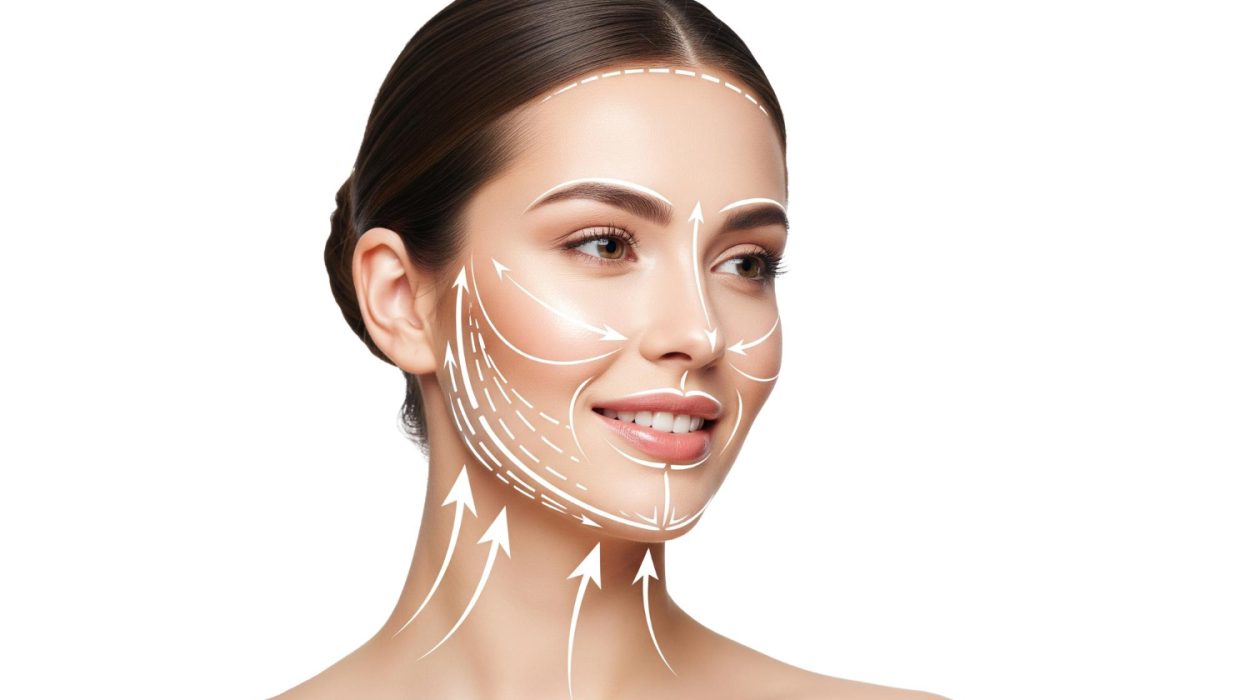



Increasing collagen levels is the fundamental approach to addressing a wide range of skin concerns and restoring your skin's radiance, firmness, elasticity, overall structure, and youthfulness.
When collagen levels are high, the skin is firmer, more resilient, and appears younger and more uplifted. However, with age, collagen production slows down, resulting in fine lines, wrinkles, sagging, enlarged pores, and dullness.
While aging is inevitable, visible collagen loss does not have to be. Today, premier regenerative centers like Hortman Clinics provide advanced aesthetic procedures for anti-aging, primarily collagen-focused treatments that are carefully selected based on individual skin concerns, skin type, age, and long-term skin goals.
In this blog, we explore what collagen is, how it works, why collagen production decreases, and the most effective treatments and machines used to stimulate collagen for healthier, firmer, younger-looking skin.
What Is Collagen?
Collagen is a structural protein found in various tissues of the body, such as the skin, bones, muscles, tendons, and other connective tissues. In the skin, collagen, along with elastin, helps form a supportive framework that keeps your skin firm, smooth, and elastic.
There are different types of collagen fibers, but types I and III are the most common in human skin.
In addition to being a structural protein in the skin, collagen performs other functions. It helps
- Maintain skin firmness
- Improve elasticity
- Support skin healing
- Reduce wrinkles and fine lines
- Keep skin plump and hydrated
- Improve skin texture and density
Collagen can be thought of as a ‘scaffold’ under the skin. So, when collagen production begins to reduce, your skin structures will begin to weaken, and it begins to sag and lose definition.
Why Does Collagen Production Decrease?
Collagen production starts to decline naturally from your mid-twenties. In fact, after age 30, your body produces less collagen every year, and existing fibers tend to become weaker and more fragmented.
Several factors can contribute to a decline or decrease in collagen production and subsequent skin effects. These include:
Aging
Aging naturally slows down fibroblast (cells that produce collagen) activity, eventually resulting in reduced collagen production.
Sun Exposure
It has been found that UV rays break down collagen fibers and accelerate premature aging, also known as photoaging.
Smoking
Smoking affects and retards blood circulation, which subsequently damages collagen and elastin fibers.
Stress and Poor Sleep
Chronic stress and poor recovery have been shown to increase inflammation and oxidative stress in the skin. This affects collagen production.
Poor Nutrition
Low intake of protein, antioxidants, and vitamins can negatively affect collagen production.
Hormonal Changes
Menopause significantly affects collagen levels, contributing to thinning and sagging skin.
As collagen production reduces, your skin begins to show signs like:
- Fine lines and wrinkles
- Sagging around the jawline (jowls)
- Hollowing under the eyes
- Crepey skin
- Crepey skin
- Enlarged pores
- Acne scars
- Loss of skin elasticity
- Dullness and uneven texture
Can Collagen Production Be Increased Naturally?
Yes! Despite a decline in collagen production, modern aesthetic treatments can be used to stimulate the body to produce more collagen. Technologies that use controlled thermal energy or micro-injuries in the skin activate the body’s natural healing response. This process stimulates fibroblasts to produce fresh collagen and elastin.
Advanced aesthetic treatments used at Hortman Clinics, the top aesthetic clinic for facial rejuvenation in Dubai, help improve the skin gradually and naturally over time. Collagen-stimulating treatments are effective in bringing about:
- Firmer skin
- Improved elasticity
- Better skin texture
- Reduced wrinkles
- Tightened pores
- Better scar appearance
- More lifted facial contours
Best Treatments and Machines to Increase Collagen Production
At Hortman Clinics, the leading clinic offering customized aesthetic treatment plans in Dubai, our experts use advanced technologies that target collagen production across different layers of the skin.
The ideal treatment plan to increase collagen production in your skin depends on your skin concerns, age, downtime preferences, and treatment goals.
Here are the most popular and effective devices that increase collagen production.
1. Radiofrequency (RF) Skin Tightening
This is one of the most commonly used non-surgical technologies that is used to stimulate collagen production.
How does it work?
Radiofrequency energy reaches deeper into the skin, heating the dermal layers in a controlled way. This heat stimulates fibroblast activity and triggers collagen remodeling. The thermal energy also causes contraction of existing collagen fibers while encouraging new collagen formation.
What skin concerns does radiofrequency address?
- Mild to moderate skin laxity
- Fine lines and wrinkles
- Jawline sagging
- Neck laxity
- Tightened pores
- Loose skin after weight loss
- Crepey skin
- Enlarged pores
What are the benefits of radiofrequency treatments?
RF treatments are popular in most dermatologic clinics, including Hortman, for the following reasons:
- It is non-invasive
- Requires minimal downtime
- Delivers gradual but natural-looking results
- Suitable for multiple skin types
- Can be used on the face and body
RF microneedling is especially effective because it combines collagen induction through microneedles with thermal stimulation.
2. Microneedling and RF Microneedling
This is a form of collagen induction therapy in which micro-injuries are created in the skin to trigger the body’s natural healing response.
How does microneedling work?
In this treatment, tiny sterile needles are used to create microscopic injuries in the skin, activating the body’s wound-healing response. What this does is that it stimulates:
- Collagen production
- Elastin formation
- Cellular turnover
3. RF Microneedling
RF microneedling is a treatment that combines traditional microneedling with radiofrequency energy delivered into deeper skin layers. This enhances collagen stimulation and tightens the skin.
RF microneedling addresses the following skin concerns:
- Fine lines and wrinkles
- Acne scars
- Enlarged pores
- Skin laxity
- Stretch marks
- Uneven skin texture
- Mild pigmentation
Why do patients prefer RF microneedling?
- Minimal downtime
- Safe for many skin tones
- Excellent for scars and texture
- Improves firmness and elasticity simultaneously
Results typically improve progressively over several months as collagen rebuilds.
4. Ultherapy
Ultrasound-based skin tightening treatments use focused ultrasound energy to stimulate deep collagen production.
How does Ultherapy work?
Ultherapy uses focused ultrasound energy that reaches deeper into the skin, without affecting or damaging the surface. The heat generated in the deeper skin layers stimulates collagen remodeling and tissue tightening.
Ultherapy can be applied to the following areas:
- Jawline
- Chin
- Neck
- Brow area
- Cheeks
Ultherapy offers several benefits, such as:
- Non-surgical lifting effect
- No needles or incisions
- Gradual improvement over 3–6 months
- Minimal downtime
5. Fractional CO2 Laser Resurfacing
The fractional CO2 laser is one of the most powerful collagen-remodeling treatments available today. When applied to the target area, the laser creates microscopic thermal zones in the skin, without harming the surrounding tissues. This triggers the body’s repair and healing mechanism, stimulating collagen remodeling and skin renewal.
Fractional CO2 laser is effective in addressing common skin concerns, such as deep wrinkles, acne scars, sun damage, pigmentation, and uneven skin texture.
The fractional CO2 laser offers several benefits, making it popular among dermatologists:
- Delivers dramatic skin resurfacing
- Improved firmness of skin
- Reduction in scars and wrinkles
- Long-term collagen remodeling
Because CO2 lasers are more intense, downtime is longer compared to gentler collagen treatments.
6. Laser Skin Rejuvenation Treatments
Laser treatments, especially non-ablative lasers, are effective in stimulating collagen production with less downtime. These lasers are gentle and work to heat the dermal layer without damaging the skin surface.
This action of the lasers triggers collagen production while improving:
- Skin texture
- Fine lines
- Mild pigmentation
- Dullness
- Pore size
Laser skin rejuvenation is ideal for younger individuals seeking to prevent early signs of aging and mild laxity, as well as for those looking for minimal downtime.
Laser collagen stimulation is often combined with medical-grade skincare for enhanced results. Hortman Clinics is one of the award-winning laser treatment centers in Dubai, offering some of the most advanced laser devices available today.
7. Biostimulator Injectables
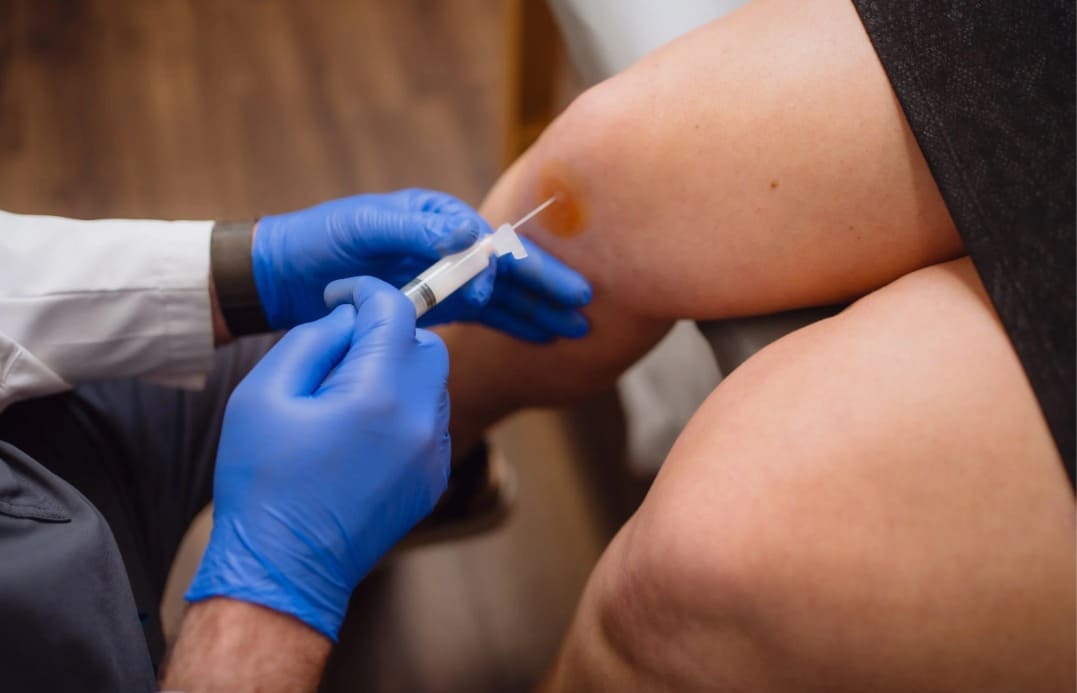
Another effective treatment to increase collagen production is the use of injectable biostimulators. Unlike traditional fillers that simply add volume, biostimulators encourage the body to produce collagen naturally.
How do they work?
The injected product stimulates fibroblast activity and the gradual formation of collagen. Over time, your skin becomes firmer, thicker, and more elastic.
Biostimulator injectables are effective in addressing the following concerns:
- Facial volume loss
- Skin laxity
- Jawline definition
- Hollow cheeks
- Crepey skin
Results of biostimulator injectables develop gradually and look extremely natural.
8. PRP and Regenerative Treatments
Platelet-rich plasma (PRP) is a type of collagen-stimulating treatment that uses the patient’s own growth factors. During a PRP procedure, a small sample of blood is collected and processed to isolate platelets rich in growth factors.
When this PRP is injected into the skin, it has been shown to enhance collagen production and:
- Improve skin texture
- Even out skin tone and texture
- Reduce fine lines
PRP is often combined with microneedling for amplified collagen stimulation.
Which Collagen-Stimulating Treatment is the Best for Me?
There is no single “best” collagen-stimulating treatment for everyone. At Hortman Clinics, the top aesthetic clinic for facial rejuvenation in Dubai, the ideal approach to increasing collagen production depends on the following factors:
- Age
- Skin quality
- Degree of skin laxity
- Presence of scars and pigmentation
- Downtime tolerance
- Desired results
For example: RF microneedling may be best suited for acne scars and pores, whereas HIFU may be recommended to address early skin laxity. CO2 lasers may work better for deep wrinkles and advanced sun damage, while biostimulators may help with volume loss and thinning skin
At Hortman Clinics, our team of cosmetic surgeons and dermatologists offers customized aesthetic treatment plans in Dubai based on a detailed skin assessment.
How Long Does it Take to See Results of Collagen Stimulating Treatments?
Treatments that naturally increase your body’s collagen production usually take a longer time to show evident results. This is because collagen remodeling takes time. Unlike treatments that provide instant swelling or volume, collagen stimulation works gradually as the body produces new collagen fibers.
Most patients begin noticing improvement within:
- 4 to 6 weeks for early changes
- 3 to 6 months for optimal collagen remodeling
The results following a collagen-stimulating treatment usually continue improving for up to a year, depending on the treatment.
How to Support Collagen Production Naturally?
While dermatologist-led aesthetic clinics in Dubai, such as Hortman Clinics, offer the best, most premium, and most advanced professional treatments to increase collagen production in the body, these treatments work best when combined with healthy lifestyle habits.
A few lifestyle and dietary tips that support the body’s natural collagen production include the following:
Include protein-rich foods in your diet
Collagen synthesis requires amino acids from dietary protein. So, it is helpful to add the following protein-rich foods to your diet:
- Eggs
- Fish
- Lean meats
- Lentils
- Greek yogurt
Increase your intake of vitamin C
Vitamin C plays a critical role in collagen formation. Therefore, consuming vitamin C can help boost collagen levels. Some vitamin-C-rich food sources include:
- Citrus fruits
- Berries
- Bell peppers
- Kiwi
Wear sunscreen daily
UV exposure is one of the biggest causes of collagen breakdown. However, daily sunscreen use helps preserve collagen and prevent premature aging.
Prioritize Sleep
The skin repairs itself during sleep. Poor sleep increases inflammation and accelerates aging.
Quit smoking
Smoking damages collagen fibers and reduces oxygen delivery to the skin.
Use medical-grade skincare products
Several medical-grade skincare products available today can support collagen production. These products typically include retinoids, peptides, growth factors, and hyaluronic acid.
Are Collagen Treatments Safe?
Most modern collagen-stimulating treatments are considered safe when performed by trained professionals. So, when opting for treatments that increase collagen production, it is recommended to follow the recommendations and prescriptions of trained and licensed dermatologists.
Some potential temporary side effects that may occur with collagen-stimulating treatments include:
- Redness
- Swelling
- Mild sensitivity
- Peeling
- Temporary dryness
A proper consultation with expert and trained doctors helps determine the safest and most effective collagen-stimulating treatment for you.
Final Thoughts
Collagen is the foundation of healthy, youthful skin, and increasing its production is one of the most effective long-term strategies for naturally improving skin quality. Whether the concern is acne scars, wrinkles, skin laxity, enlarged pores, or overall skin rejuvenation, today’s advanced technologies offer multiple ways to stimulate the body’s natural collagen production.
At Hortman Clinics Dubai, personalized treatment plans ensure each patient receives the right combination of technologies and therapies tailored to their unique skin concerns and goals.
Want to know which treatment can be most effective in helping you increase collagen production in your body? Book a consultation with our experts today!